Understanding Different Types of Fly Fishing Line
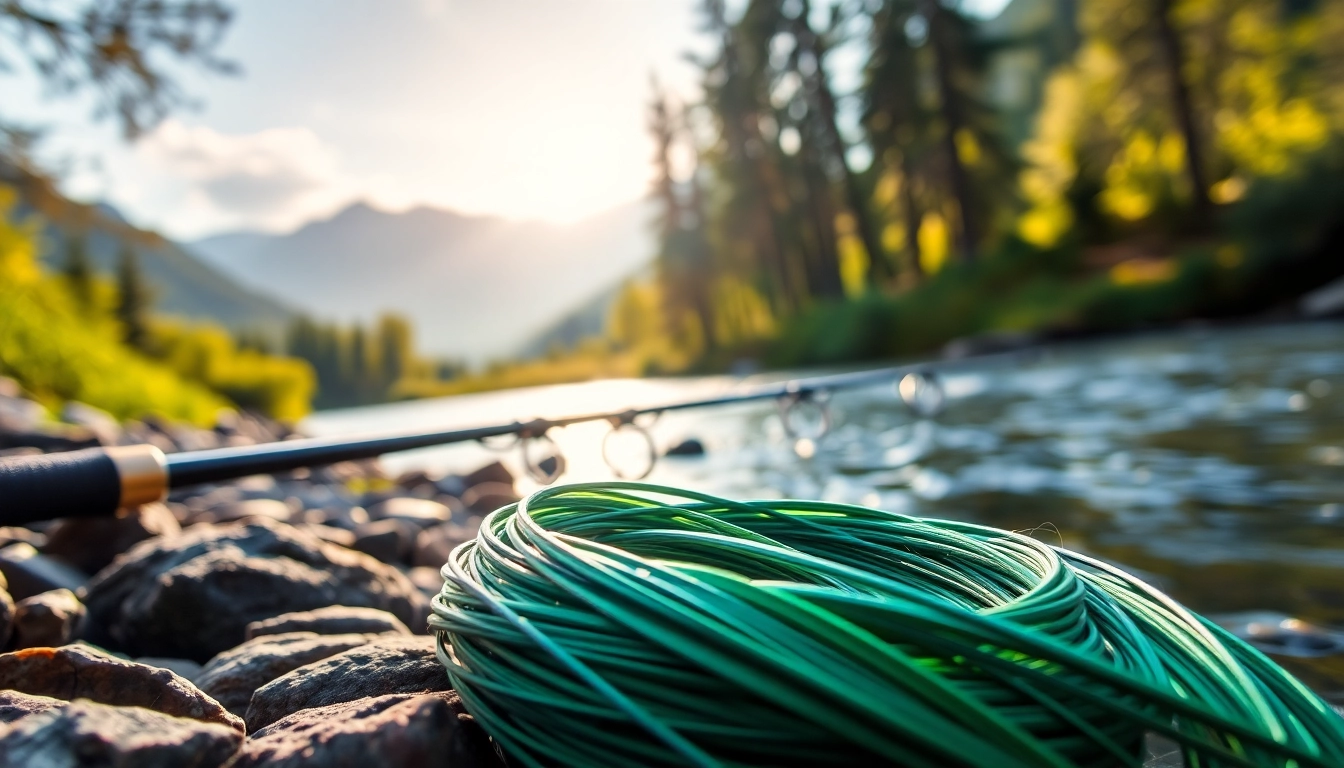
Choosing the right Fly fishing line is crucial for a successful angling experience. With various types of lines available, knowing the differences can significantly enhance your fishing technique and overall satisfaction.
Weight Forward vs. Double Taper Line
Weight forward (WF) and double taper (DT) lines are the two main classifications used by fly anglers. A weight forward line features a concentrated weight in the front third of the line, allowing for long casts and excellent line turnover. This design is ideal for casting larger flies or for situations where wind might play a role. In contrast, double taper lines have a uniform weight distribution and are beneficial for delicate presentations and precision casting. Darting caddis or tiny dry flies often succeed with DT lines as they gently land on the water's surface.
Floating and Sinking Lines Explained
Another important distinction in fly fishing lines is between floating and sinking varieties. Floating lines sit atop the water, allowing anglers to fish dry flies or nymphs with ease. These lines are commonly utilized during spring and summer when fish are actively feeding on the surface. Conversely, sinking lines are designed to dive beneath the surface, making them ideal during colder months or when targeting fish that dwell deeper in the water column. Sinking lines come in various configurations, such as intermediate sinking, full sinking, or sink-tip lines, each tailored for different fishing needs.
Specialty Lines for Advanced Techniques
Advanced fly anglers often opt for specialty lines designed for specific fishing techniques, such as Euro nymphing, where a fine, sensitive line is preferred for controlling the presentation. Furthermore, lines like the Spey or Skagit types are popular for casting larger flies over long distances with unique rod setups. These lines exemplify the evolution of fly fishing, providing specialized options to maximize performance depending on the angler’s tactics.
Key Features to Look For in Fly Fishing Line
When selecting a fly fishing line, various features can influence performance. Understanding the significance of these features helps in making an informed decision that aligns with specific fishing scenarios.
Material and Durability Considerations
Modern fly fishing lines are typically made from PVC or polyurethane materials, offering a balance between flexibility, weight, and durability. High-quality lines have enhanced coatings that protect against abrasions and UV damage, ensuring longevity. It's also wise to select a line that matches the specific water conditions and species you are targeting, which sometimes requires testing lines from different manufacturers.
Line Length and Weight Selection Tips
Choosing the right length and weight of fly line is crucial to ensure proper casting and accuracy. Generally, your fly line weight should correlate with the weight of your fly rod for optimal performance. Additionally, length considerations come into play, especially in waters with varied depths or crowded casting areas. Shorter lines might excel in tight quarters, while longer lines offer the advantage of extended reach in open waters.
Taper Design and Its Impact on Casting
The taper of a fly line refers to its thickness and how it changes along its length. Different tapers affect casting distance, line control, and energy transfer during casting. For instance, a long, gradual taper may promote smooth, long casts, while a short taper often allows for quick, powerful shots. Understanding these dynamics lets anglers tailor their setups to align with specific fishing styles.
Tips for Maintaining Your Fly Fishing Line
Proper maintenance of your fly fishing line can extend its life and enhance performance. Here are essential practices for keeping your line in optimal condition.
Cleaning and Storage Best Practices
Regular cleaning helps remove dirt, salt, and debris from the line, which can impair performance. Soaking the line in warm water mixed with mild soap and gently wiping it down with a soft cloth will suffice. Ensure that the line is completely dry before storing it away, preferably in a cool, dark place to prevent UV damage. Using line boxes or spools protects your line from unnecessary wear.
When to Replace Your Fly Fishing Line
Even with meticulous care, wear and tear will eventually necessitate replacement. Look for cracks, weak spots, or discoloration as indicators that it may be time to retire your line. Generally, replacing your fly fishing line every 1-2 years is prudent, depending on usage frequency and conditions.
Choosing the Right Backing with Your Line
The backing serves as a critical component of your fly line setup, providing additional lengths to accommodate larger fish runs and enhancing your overall fishing experience. Typically made from braided nylon, commercial-grade backing contributes to an increased strength-to-weight ratio. Choosing backing with adequate capacity is essential based on the size of fish you anticipate catching and the amount of line on your reel.
Match Your Fly Fishing Line to Conditions
Different fishing conditions necessitate distinct line types. Understanding these can significantly enhance your success rate.
Seasonal Adjustments and Considerations
As seasons change, so do fish behaviors and their habitats. Warmer months often call for floating lines as fish are more frequently found near the surface. In contrast, colder months may demand the use of sinking lines as fish retreat to deeper layers. Adaptation is essential; consider how fish feed and how you can match those conditions effectively through your choice of line.
Environmental Factors Affecting Performance
Factors such as water clarity, temperature, and flow rates influence fly fishing line performance. In clear waters, a more subtle approach is often favored with lighter, thinner lines, while faster flows may require denser, more noticeable lines to control the fly effectively. Recognizing environmental elements is crucial to selecting the proper equipment.
Localized Conditions and Line Suitability
Being familiar with local waters can greatly impact your fishing efficacy. If your destination features rocky terrains or dense weed beds, a sturdier line that can hold up against abrasions will be necessary to avoid losing fish. Doing research or consulting local experts helps identify the conditions you’ll face and the gear you'll need.
Frequently Asked Questions About Fly Fishing Line
What is the best fly fishing line for beginners?
Beginners should start with weight-forward floating lines, as they're easy to cast and versatile for various fishing conditions.
How often should I replace my fly fishing line?
Replace your fly fishing line every 1-2 years or sooner if you notice significant wear or damage. Regular checks are advisable.
Can I use a single line for both freshwater and saltwater?
Some lines are versatile enough for both environments, but specific saltwater lines provide enhanced performance in marine conditions.
What does 'taper' mean in fly fishing line?
Taper refers to the thickness and shape gradients of the line, influencing casting distance, accuracy, and control over the fly.
What is the difference between backing and fly fishing line?
Backing is the line attached to the reel for extra length and strength, while the fly fishing line is responsible for casting the fly to the fish.