Understanding Construction Safety Training
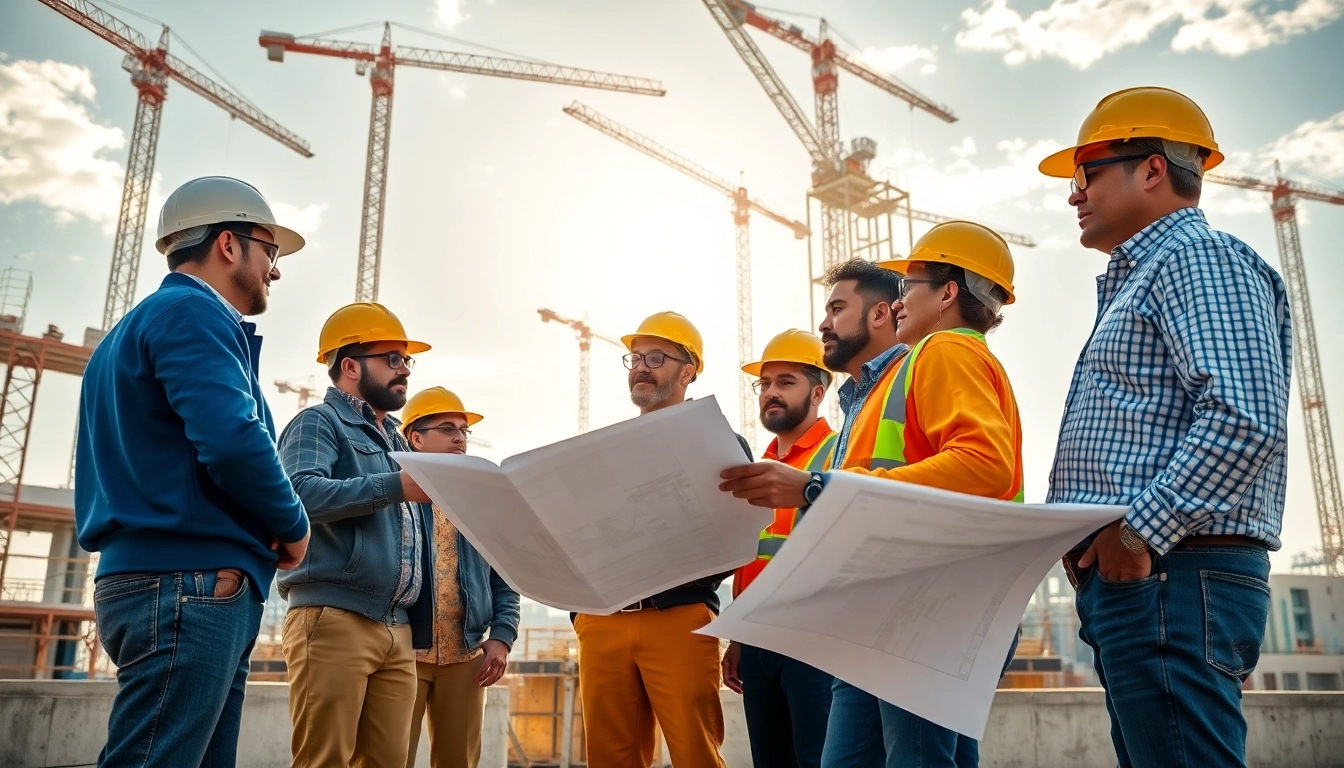
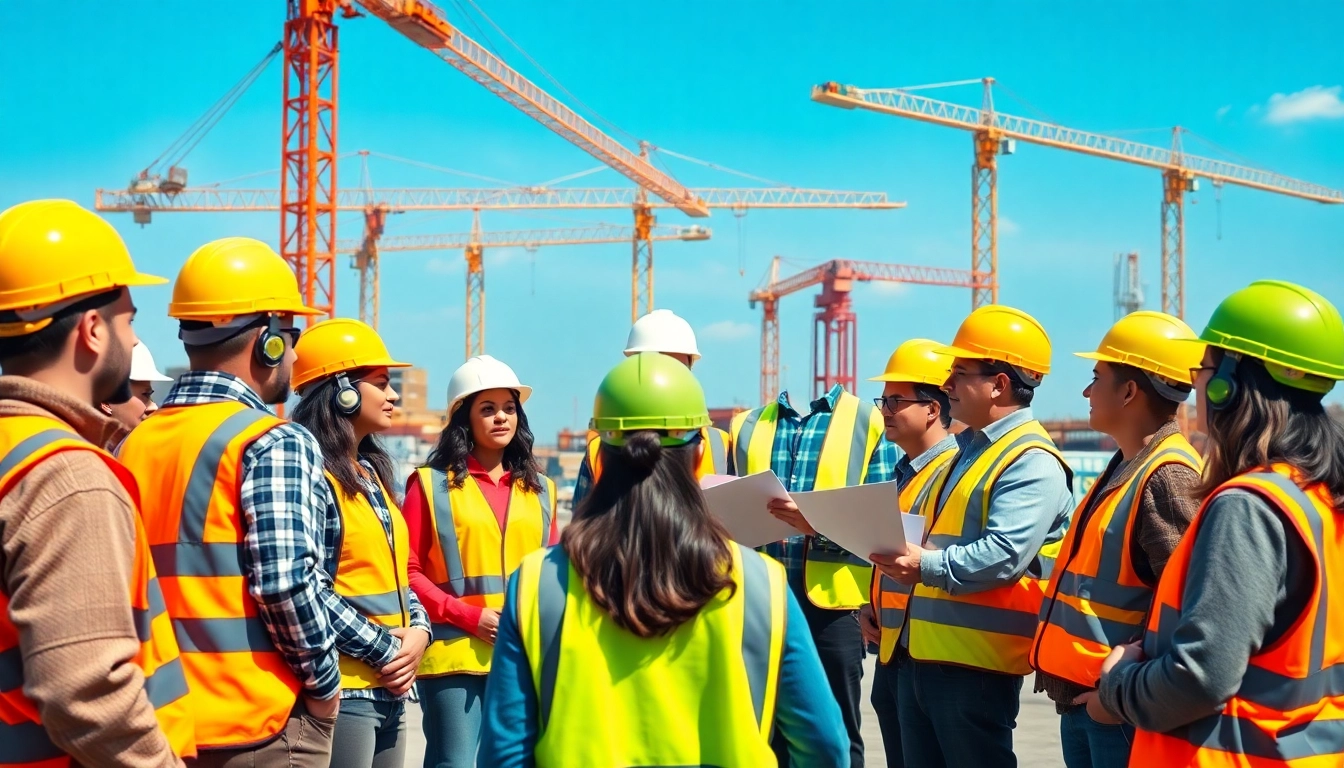
Construction safety training is a vital aspect of ensuring a secure work environment across construction sites. With the increasing number of construction activities, prioritizing safety becomes essential for protecting workers from potential hazards. Effective construction safety training not only reduces workplace accidents but also enhances productivity and builds a culture of safety amongst employees. Understanding the components of this training is crucial for anyone involved in the construction industry.
Importance of Construction Safety Training
The construction industry is inherently dangerous, with numerous risks including falls, equipment hazards, and exposure to harmful materials. Construction safety training addresses these hazards by equipping workers with the knowledge to recognize and mitigate risks on the job site. By investing in construction safety training, companies can not only comply with regulations but also cultivate a work environment where employee safety is a shared responsibility. Effective training reduces the likelihood of accidents, thus minimizing downtime and potential costs associated with workplace injuries.
Overview of Training Methods
Training methods for construction safety can vary widely, leveraging both traditional and modern approaches. Common methods include:
- Classroom instruction
- Hands-on training
- On-the-job training
- Online courses and e-learning tools
- Simulation training using virtual reality
Each method has its strengths. For instance, hands-on training can effectively demonstrate the safe use of equipment, while e-learning provides flexibility for workers to learn at their convenience. Construction safety training should ideally incorporate a variety of these methods to cater to different learning styles and enhance retention.
Key Regulations and Guidelines
Understanding the regulatory framework surrounding construction safety is critical. Various organizations set guidelines and regulations to ensure worker safety within this sector. Key regulatory bodies include:
- Occupational Safety and Health Administration (OSHA)
- National Institute for Occupational Safety and Health (NIOSH)
- American National Standards Institute (ANSI)
These institutions establish mandatory standards, such as proper training requirements, safety equipment usage, and hazard communication protocols. Employers must stay updated with these regulations to ensure compliance and promote a safe working environment.
Common Hazards in Construction
Hazards in the construction industry can range from physical to chemical dangers, and recognizing these risks is the first step in safeguarding workers.
Identifying Workplace Hazards
Workplace hazards can be classified into several categories:
- Physical Hazards: Falls, slips, and trips.
- Mechanical Hazards: Equipment malfunctions and tool-related injuries.
- Chemical Hazards: Exposure to hazardous materials like asbestos or chemicals.
- Electrical Hazards: Risks associated with live wires and faulty electrical systems.
Regular audits and risk assessments can help identify these hazards proactively, leading to a safer construction site.
Risk Assessment Procedures
Conducting risk assessments is a systematic way of identifying and evaluating risks, which is crucial for implementing effective safety measures. The steps in risk assessment include:
- Identifying hazards that may cause harm.
- Deciding who might be harmed and how.
- Evaluating the risks and deciding on precautions.
- Recording findings and implementing them.
- Reviewing assessments periodically or when changes occur.
By systematically assessing risks, businesses can proactively develop strategies to mitigate potential hazards before they lead to incidents.
Reporting Unsafe Conditions
Creating an open environment for reporting unsafe conditions empowers workers to take part in the safety process. Establishing clear procedures for reporting can include:
- Designated personnel for safety concerns.
- Anonymous reporting systems.
- Regularly scheduled safety meetings.
Ensuring that all employees are aware of procedures encourages vigilance and accountability, thereby fostering a culture of safety.
Effective Training Techniques
To ensure the effectiveness of construction safety training, methods should engage the workforce and resonate with real-life scenarios.
Interactive Training Methods
Interactive training methods involve utilizing active participation strategies, which can enhance engagement and retention. Techniques could include:
- Group discussions and scenario-based role plays.
- Quizzes and games to reinforce learning.
- Team challenges focused on safety practices.
These approaches encourage workers to discuss and clarify safety protocols, making the training more practical and memorable.
Utilizing Technology in Training
Technology has transformed traditional training methods. Innovations in training can include:
- Online safety training platforms.
- VR and AR simulations for immersive experience.
- Mobile applications for quick safety references.
Utilizing technology not only enhances the learning experience but also allows for real-time access to information, which is invaluable on the job site.
Continuous Skill Assessments
Evaluating employee skills continuously ensures that the workforce remains adept in safety practices. Some strategies can include:
- Regular assessments through practical tests.
- Refresher courses to maintain skills.
- Feedback loops for training improvements.
Continual skill assessments can help identify knowledge gaps and ensure that safety standards are upheld consistently.
Integrating Safety Training into Daily Operations
For construction safety training to be impactful, it must be woven into the very fabric of daily operations within the company.
Creating a Safety Culture
Creating a safety culture means making safety a collective priority. This can be achieved by:
- Setting clear safety goals and responsibilities.
- Encouraging open communication about safety.
- Recognizing and rewarding safe behavior.
When everyone from management to the individual worker prioritizes safety, it creates an environment where safety is seen as a collective responsibility.
Employee Involvement and Feedback
Encouraging employee involvement through feedback mechanisms, such as surveys and suggestion boxes, fosters a participative work environment. Implementation of suggestions can lead to:
- Increased accountability among workers.
- Improvement in training programs based on feedback.
- A sense of ownership in workplace safety.
When employees feel engaged, their commitment to safety procedures deepens.
Monitoring Training Effectiveness
Monitoring the effectiveness of training involves assessing whether safety training meets its intended outcomes. This can include:
- Evaluating incident reports pre- and post-training.
- Gathering participant feedback on training sessions.
- Tracking safety performance metrics over time.
Regularly reviewing the impact of safety training ensures ongoing improvement and helps to fine-tune training methods as needed.
Frequently Asked Questions about Construction Safety Training
What are the key topics covered in construction safety training?
Key topics include fall protection, equipment safety, hazard identification, emergency response, and proper use of personal protective equipment.
How often should safety training be conducted?
It should be conducted at least annually or whenever new equipment or processes are introduced, ensuring that all workers are up to date with safety protocols.
Are there certification programs for construction safety?
Yes, several organizations offer certifications in construction safety practices, which can help professionals enhance their qualifications and knowledge.
What is the role of supervisors in safety training?
Supervisors are responsible for ensuring that all workers understand and adhere to safety protocols, actively promoting a culture of safety within their teams.
How can safety training be made more engaging?
Incorporating hands-on activities, using technology, and integrating real-life scenarios can significantly boost engagement and retention during training sessions.