Understanding Structural Steel Fabrication
Definition of Structural Steel Fabrication
Structural steel fabrication is the process of preparing and altering raw steel materials to create components that are essential for constructing buildings, bridges, and other structures. This process typically involves cutting, bending, and assembling steel to meet specific engineering standards and project requirements. At its core, structural steel fabrication transforms steel into fabricated parts, such as beams, columns, and trusses, which are then transported to job sites for the construction of durable structures.
Importance in Construction Projects
The role of structural steel fabrication in construction cannot be overstated. Structural steel is known for its high strength-to-weight ratio, making it an ideal choice for a wide array of construction applications. It enables architects and engineers to design larger and more complex structures while ensuring stability and safety. Moreover, prefabricated steel components can significantly reduce on-site construction time, leading to faster project delivery. The efficiency brought by structural steel fabrication not only lowers labor costs but also minimizes waste, contributing to environmentally friendly construction practices.
Common Materials Used
Common materials used in structural steel fabrication include carbon steel, stainless steel, and alloy steel. Carbon steel is favored for its versatility and cost-effectiveness, while stainless steel is preferred for its corrosion resistance, especially in harsh environments. Alloy steel, which contains various elements, is chosen for specific properties. Each of these materials can be treated and manipulated through various fabrication processes to meet the unique demands of individual projects.
Steps in Structural Steel Fabrication
Preparation and Planning
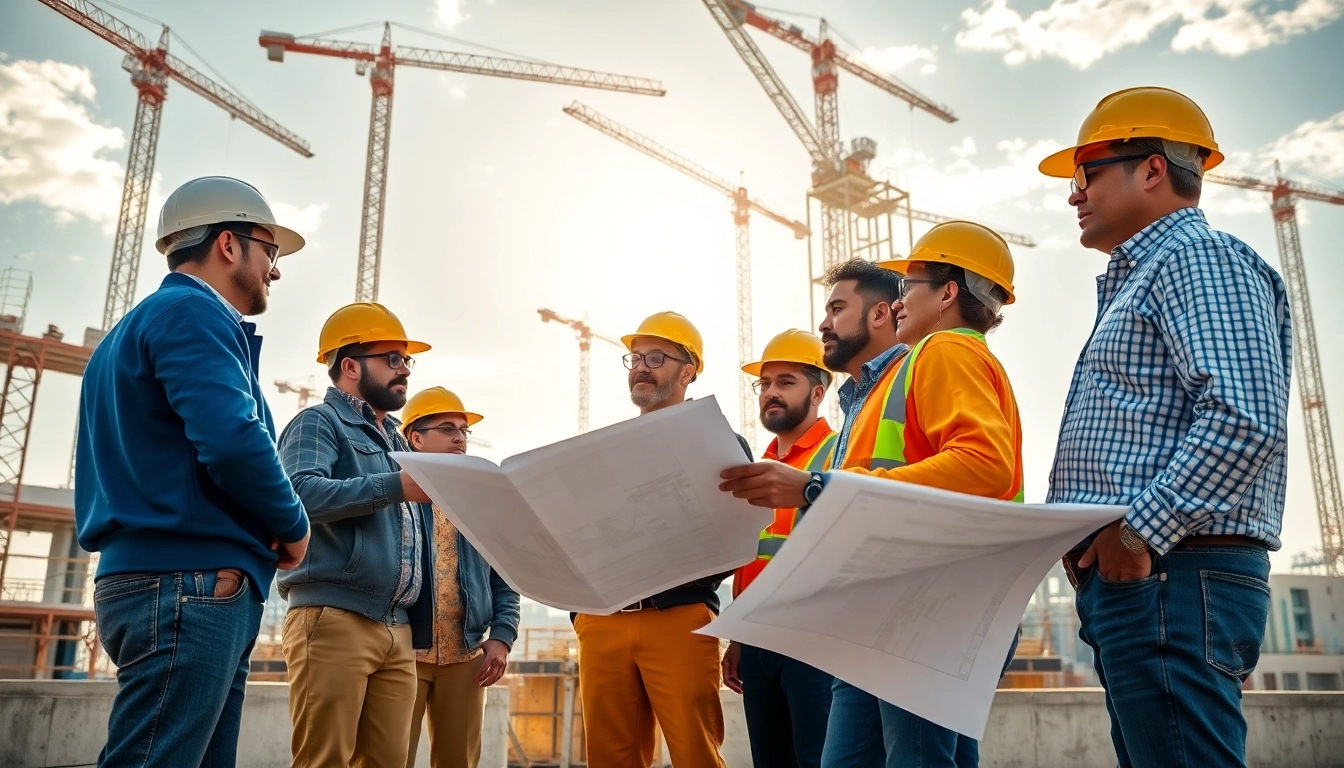
The first crucial step in structural steel fabrication is thorough planning and preparation. This stage involves detailed design blueprints and specifications that outline the requirements for each fabricated component. Engineers and fabricators must work collaboratively to ensure that the designs are structurally sound and conform to local building codes. Advanced software tools are often employed for 3D modeling and simulations, allowing for a clearer understanding of the structural integrity and potential challenges during fabrication.
Cutting and Shaping Techniques
Once the planning phase is complete, the next step involves cutting and shaping the steel into the desired forms. Various techniques can be used, including flame cutting, plasma cutting, and laser cutting. Flame cutting uses a high-temperature flame to melt the steel, while plasma and laser cutting provide high precision, making them ideal for intricate designs. Additionally, processes such as bending and rolling are employed to shape the steel into curves or angles, depending on the project requirements.
Assembly and Quality Control
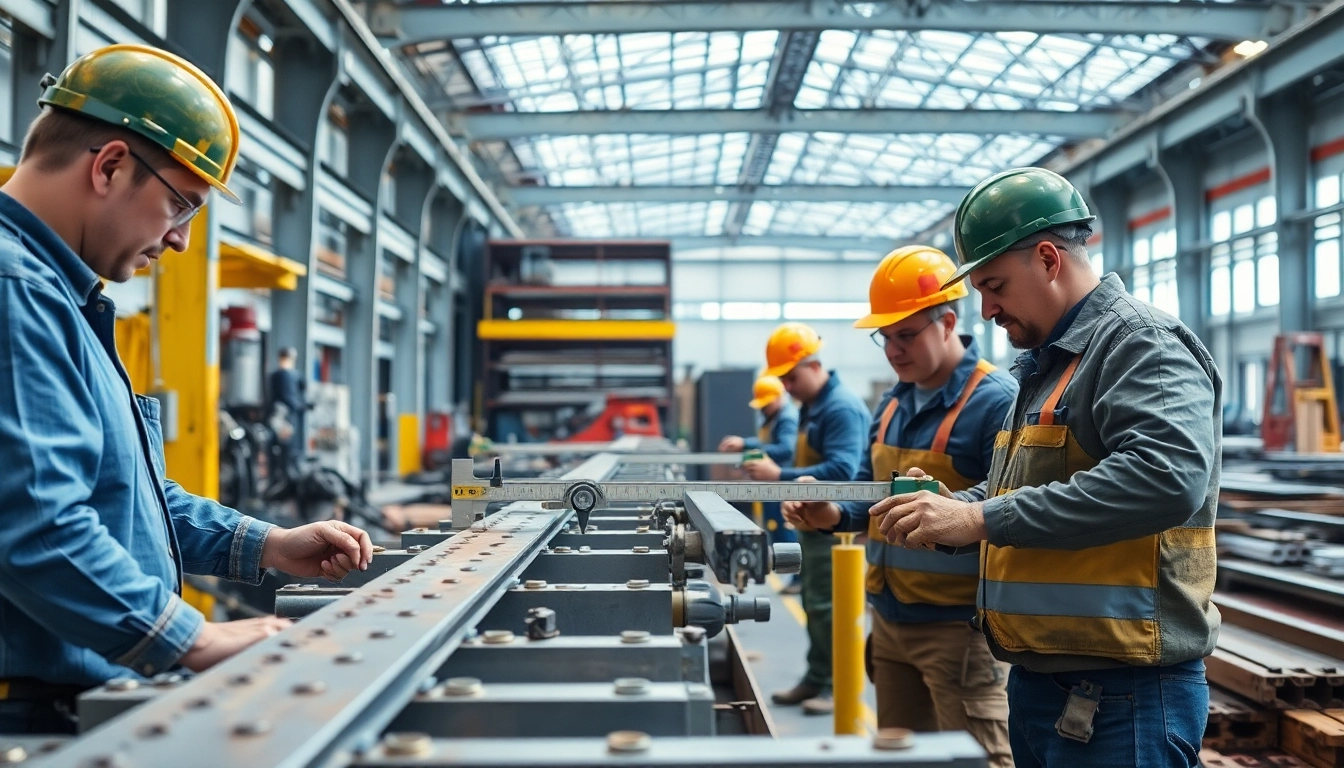
The assembly of fabricated parts is a critical phase in the production of structural steel components. Components are fitted together according to specifications, often using welds, bolts, or rivets for a secure connection. Quality control measures are implemented throughout this process to ensure that each component meets the necessary safety and structural standards. Inspections may involve visual checks, dimensional verifications, and even non-destructive testing methods to assess the integrity of welds and connections.
Innovative Techniques in Structural Steel Fabrication
Advancements in Technology
Recent advancements in technology have significantly transformed the landscape of structural steel fabrication. Innovations such as computerized numerical control (CNC) machines allow for greater precision in cutting and shaping steel. Integrated software solutions enable seamless communication between design, fabrication, and construction teams, enhancing efficiency and reducing errors. Additionally, the adoption of Building Information Modeling (BIM) facilitates better project visualization and coordination among stakeholders.
Automation and Its Impact
Automation has emerged as a game-changer in structural steel fabrication, streamlining processes and reducing production time. Automated systems can execute repetitive tasks such as cutting and welding with high accuracy and speed. This not only enhances productivity but also addresses the ongoing labor shortages within the industry. Companies that invest in automation typically experience lower operational costs and improved quality control, as machines consistently perform tasks with minimal errors.
Eco-Friendly Practices
With the growing emphasis on sustainability, many structural steel fabricators are adopting eco-friendly practices. These may involve recycling scrap steel, optimizing resource use, and employing energy-efficient machinery. Additionally, utilizing renewable energy sources to power fabrication facilities contributes to reduced carbon footprints. The implementation of sustainable practices not only benefits the environment but also increasingly meets the demand from clients for environmentally responsible construction solutions.
Challenges in Structural Steel Fabrication
Cost Management Considerations
Effective cost management is crucial for companies involved in structural steel fabrication. Fluctuations in material prices, labor costs, and overhead expenses can impact project budgets. To combat this, businesses must employ strategic procurement methods to source materials at competitive prices and utilize cost-effective production processes. Regular audits and financial assessments help identify areas for savings and ensure that projects remain within budget.
Supply Chain Issues
The supply chain for structural steel fabrication can be complex, often involving multiple suppliers, transportation logistics, and lead times. Disruptions in the supply chain can lead to project delays and increased costs. By establishing robust relationships with suppliers and diversifying sourcing strategies, companies can mitigate the risks associated with supply chain issues. Additionally, digital tools can provide real-time tracking and management of materials, enhancing responsiveness to potential disruptions.
Skilled Labor Shortages
The structural steel fabrication industry faces a critical shortage of skilled labor, impacting production capabilities and project timelines. This shortage is attributed to an aging workforce and insufficient training programs for new recruits. Companies can address this challenge by investing in training and apprenticeship programs that cultivate the necessary skills within the workforce. Partnerships with educational institutions can also help bridge the skills gap and attract new talent to the industry.
Future Trends in Structural Steel Fabrication
Emerging Materials and Techniques
The future of structural steel fabrication is likely to see the integration of innovative materials such as high-performance steel and composites that enhance durability and reduce weight. Techniques, such as modular construction and off-site fabrication, allow for improved efficiency and quality control, enabling faster construction timelines. These trends are reshaping the industry and providing new opportunities for design and application.
Impact of Industry Regulations
As the construction industry continues to evolve, new regulations and standards are being introduced to enhance safety, sustainability, and quality control measures. Fabrication companies must remain agile and responsive to these changes, adapting their processes and materials to comply with the latest regulatory frameworks. Proactively addressing these standards not only ensures compliance but also positions companies as leaders in industry best practices.
Adapting to Market Changes
The structural steel fabrication industry must continually adapt to market changes driven by economic conditions, client preferences, and technological advancements. Flexibility in production methods and an openness to innovation will be essential for staying competitive. Companies that foster a culture of continuous improvement and are receptive to emerging trends will be better positioned to meet the evolving demands of the construction market.