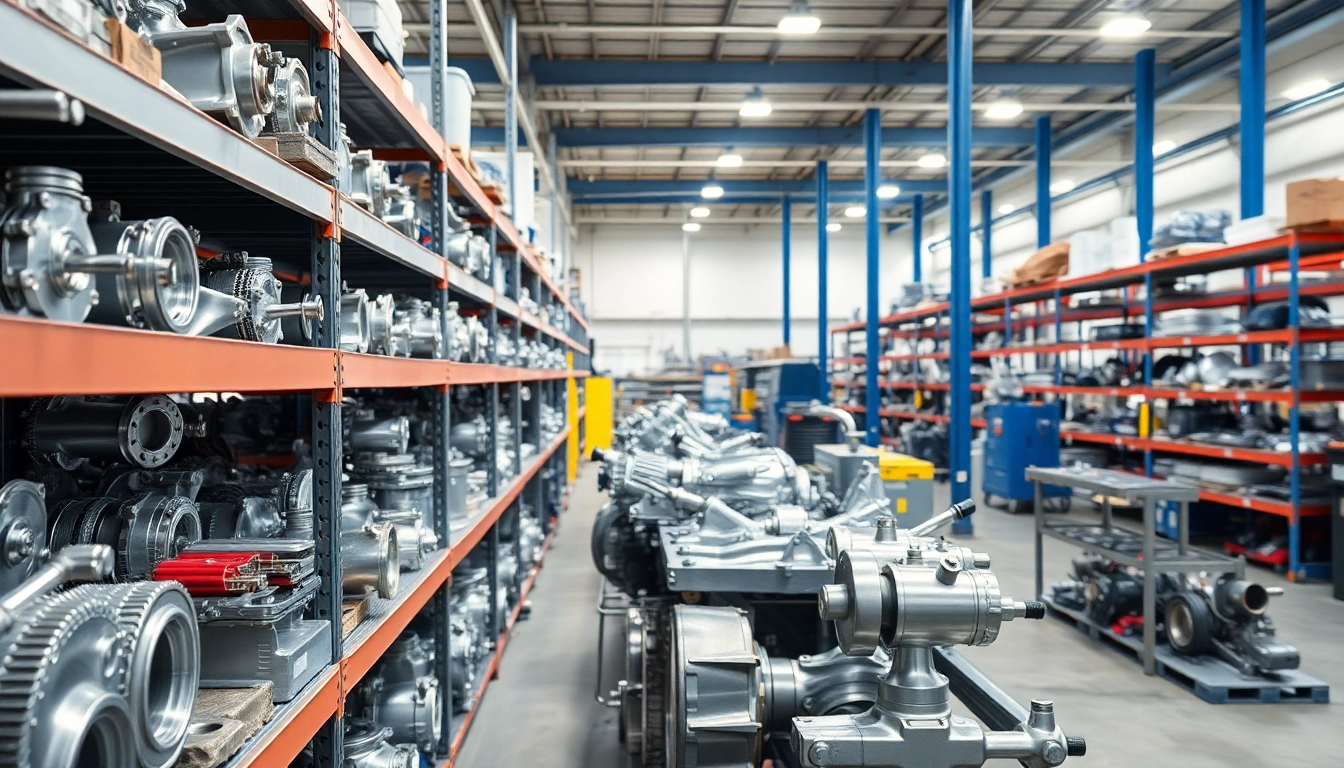
Understanding OEM Replacement
What is OEM Replacement?
OEM Replacement refers to parts that are made by the original manufacturer of a vehicle. OEM stands for “Original Equipment Manufacturer,” meaning these parts are produced by the same company that provided the parts for the vehicle when it was first assembled. Utilizing OEM Replacement components ensures quality and compatibility with your vehicle's specifications.
Benefits of OEM Replacement Parts
Opting for OEM Replacement parts provides numerous advantages to vehicle owners. First and foremost, these parts are designed to meet the exact specifications of your vehicle, ensuring a perfect fit and optimal performance. Unlike aftermarket parts, which may vary in quality and design, OEM parts maintain the integrity and reliability that is synonymous with the brand. Furthermore, using OEM parts can help preserve your vehicle's warranty, as they align with manufacturer's recommendations.
How OEM Differs from Aftermarket Parts
The primary distinction between OEM and aftermarket parts is who manufactures them. OEM parts are produced by the vehicle's original manufacturer, while aftermarket parts are made by third-party companies. This difference can lead to variations in quality, fit, and longevity. OEM parts are more likely to deliver the same performance and durability as the initial components, whereas aftermarket parts can be hit or miss regarding performance reliability.
Choosing the Right OEM Replacement
Identifying Quality OEM Parts
When selecting OEM Replacement parts, it's essential to verify their authenticity. Look for packaging that includes the manufacturer's branding and part numbers. Checking with authorized dealers or manufacturers can also prevent counterfeit purchases. Additionally, assessing customer reviews can provide insights into the performance and reliability of specific OEM parts.
Understanding OEM Part Numbers
Understanding OEM part numbers is crucial when ordering replacement parts. These numbers typically consist of a string that represents specific details about the part, including its design, size, and compatibility. Being able to accurately decipher these numbers helps ensure you receive the correct part for your vehicle, mitigating risks associated with incorrect installations.
Evaluating Cost vs. Quality
Cost is often a significant factor in the decision-making process. While OEM Replacement parts tend to be more expensive than their aftermarket counterparts, their quality and durability may justify the price difference. By doing thorough research and comparing warranties, you can determine which option provides the best value over the long term.
Installation of OEM Replacement Parts
Preparing for Installation
Before beginning the installation process, ensure you have the necessary tools and parts on hand. A clean workspace is also vital to prevent contamination during installation. Review any installation manuals or guides specific to the part you’re replacing, as these resources provide crucial insights into the installation process and safety precautions.
Step-by-step Guide to Installation
The installation of OEM Replacement parts typically follows these steps:
- Gather tools and safety gear.
- Disconnect the vehicle battery if necessary.
- Remove the old or damaged part following the manufacturer's instructions.
- Inspect the area for any additional damage.
- Install the new OEM part, ensuring a secure fit.
- Reconnect the battery and conduct a function check.
Common Mistakes to Avoid
Common pitfalls during the installation process include neglecting to read the instructions, using incorrect tools, and failing to properly secure the new part. To avoid these mistakes, take your time, double-check your work, and refer to professional mechanics or installers if needed.
OEM Replacement in Various Vehicle Types
OEM Replacement for Cars
Cars commonly require a variety of OEM Replacement parts, such as brake pads, filters, and sensors. Recognizing the right parts for your specific model can enhance performance and safety. Utilizing a reputable dealer for procurement is advisable to guarantee the authenticity of the parts.
OEM Replacement for Trucks
For trucks, OEM Replacement parts are essential due to the rigorous demands placed on these vehicles. Components such as suspension parts, drivetrain elements, and engine components are vital for optimal performance in demanding conditions. Properly using OEM parts can significantly extend the life of the vehicle.
OEM Replacement for Motorcycles
Motorcycles also benefit from OEM Replacement parts, ensuring performance and safety. Common replacements include brake pads, tires, and handlebars. Much like cars and trucks, maintaining a motorcycle with OEM components ensures reliability and enhances rider safety on the road.
Maintaining Your Vehicle with OEM Replacement
Routine Maintenance Tips
Regular vehicle maintenance is essential to longevity. This includes routine checks on fluids, tires, lights, and of course, the condition of OEM parts. Scheduling periodic inspections can help you catch wear before it becomes a more significant issue, ultimately saving time and money in the long run.
Signs You Need to Replace Parts
Some common signs that indicate it may be time to replace parts include unusual noises, vibrations, leaks, or warning lights on your dashboard. Staying vigilant for these symptoms ensures you can address issues before they escalate, enhancing the overall health of your vehicle.
How OEM Replacement Parts Enhance Longevity
OEM Replacement parts are engineered to the original specifications of the vehicle, which plays a key role in its longevity. By maximizing performance and efficiency with true OEM parts, vehicle owners can potentially extend the lifetime of their vehicles while maintaining optimal safety and functionality.
FAQs About OEM Replacement
What does OEM replacement mean?
OEM replacement means using parts made by the original manufacturer, ensuring quality, compatibility, and performance standards aligned with the vehicle’s specifications.
Why choose OEM parts over aftermarket?
OEM parts typically provide better fit, reliability, and performance as they are made by the vehicle’s original manufacturer, unlike aftermarket options which can vary in quality.
How can I verify if a part is OEM?
To verify if a part is OEM, check for original packaging, part numbers, and ensure purchase from authorized dealers or verified sources to avoid counterfeit products.
Are OEM parts more expensive?
Yes, OEM parts are generally more expensive than aftermarket options, but their quality, fit, and warranty benefits often justify the investment in the long run.
Can I install OEM parts myself?
Yes, many OEM parts can be installed by the vehicle owner if proper tools and instructions are available. However, for complex parts, professional installation is recommended.