A Brief Introduction to Qingdao
Nestled along the eastern coast of Shandong Province, qingdao is a captivating city known for its rich history, beautiful coastal landscape, and vibrant economy. Often regarded as a symbol of China's rapid modernization, this scenic locale offers a unique fusion of cultural influences, making it a must-visit destination for travelers and historians alike.
Geographical Location and Historical Context
Qingdao is positioned on the Shandong Peninsula, bordered by the Yellow Sea to the east and south, providing it with a strategic geographical advantage as a major port city. Originally a fishing village, its development gained momentum during the late 19th century when it was ceded to Germany as a concession in 1898. This foreign influence left a significant mark on the city's architecture, culture, and even its brewing traditions, most notably Tsingtao Beer, which remains an iconic product associated with the city.
Economic Significance and Growth
Today, Qingdao stands as one of China's most crucial economic engines. The city boasts a robust economy characterized by diverse sectors, including manufacturing, finance, and tourism. According to recent data, Qingdao’s GDP has continuously been on an upward trajectory, contributing significantly to the national economy. The port facilities here are among the busiest in China, facilitating a considerable amount of international trade.
Cultural Influences on Qingdao
The cultural fabric of Qingdao is a vivid tapestry woven from its historical connections and modern influences. The German architectural styles that dot the cityscape hint at its colonial past, while traditional Chinese customs remain prevalent in festivals, food, and local arts. This blend of East and West has endowed Qingdao with a unique identity, making it a cultural hotspot in China.
Exploring Qingdao's Attractions
Must-Visit Beaches and Parks
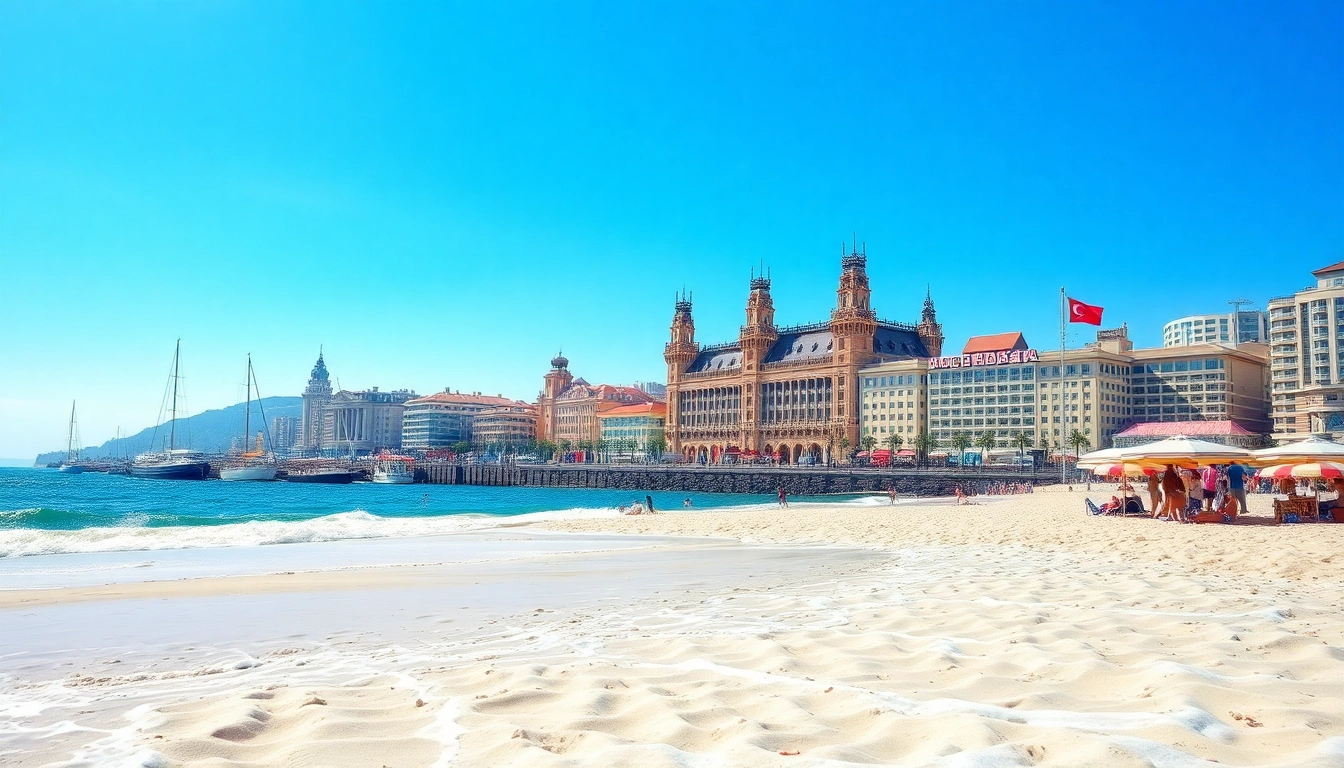
The extensive coastline of Qingdao is adorned with some of China’s most beautiful beaches, attracting both locals and tourists year-round.
- Badaguan Scenic Area: Known for its picturesque waterfront views and unique architecture, Badaguan is a historical neighborhood that showcases colonial-era buildings amidst lush, green parks.
- Shilaoren Beach: Famous for its golden sands and clear waters, this beach is perfect for sunbathing, swimming, or engaging in various beach sports.
- Qingdao Zhongshan Park: A serene park ideal for a leisurely stroll or a family picnic, offering beautiful floral displays and scenic views of the surrounding mountains.
Historical Sites and Architecture
The architectural landscape of Qingdao is a fascinating blend of styles. The city is home to numerous historical landmarks and sites that provide insights into its past, including:
- Qingdao Xue Si Wei Pavilion: An impressive structure that offers stunning panoramic views of the city and the coastline.
- St. Michael’s Cathedral: This neo-Romanesque church is a symbol of Qingdao's historical ties to Germany and an architectural gem worth visiting.
- Qingdao Beer Museum: An essential stop for enthusiasts, this museum traces the history of Tsingtao Beer, guiding visitors through the brewing process and offering tastings.
Culinary Delights Unique to Qingdao
Culinary experiences in Qingdao are equally compelling, with an array of flavors influenced by its coastal location and cultural exchanges. Key dishes and beverages include:
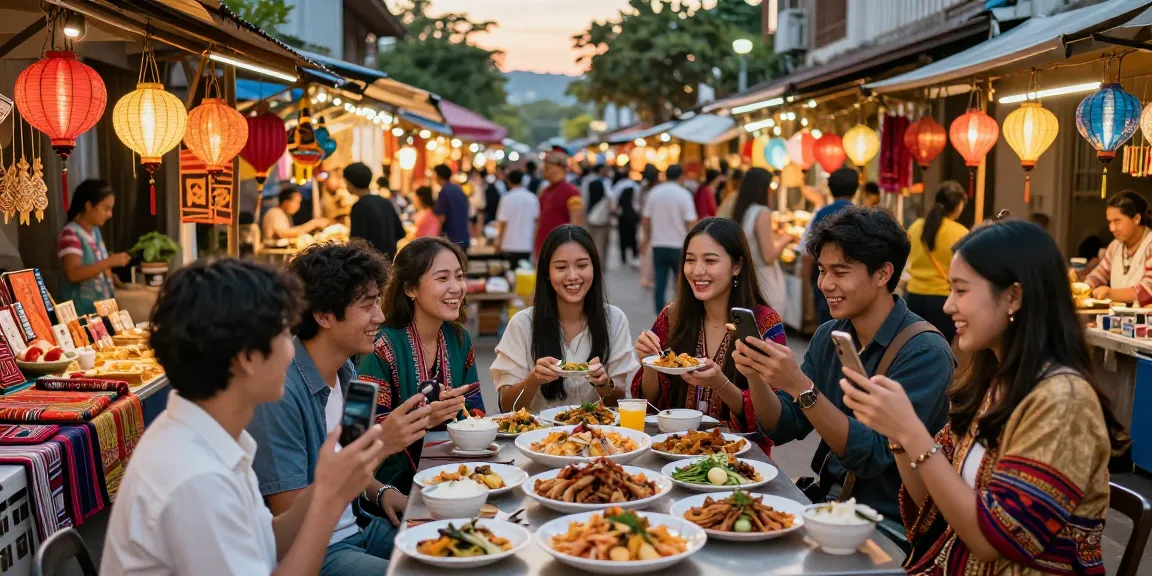
- Seafood: Fresh seafood is abundant, with popular offerings including grilled fish, prawns, and local shellfish dishes.
- Tsingtao Beer: Renowned globally, this beer is often enjoyed with local delicacies, highlighting the perfect pairing of flavors.
- Jimo Pancakes: A local delicacy made with savory fillings, reflecting the region's agricultural heritage.
Outdoor Activities in Qingdao
Water Sports and Adventure Options
Given its coastal geography, Qingdao is an ideal destination for various water sports. Visitors can engage in:
- Sailing: With its history as the sailing city, Qingdao has hosted numerous international sailing events, including the 2008 Olympics.
- Diving: The waters around Qingdao are home to vibrant marine life, making it a popular diving spot for enthusiasts.
- Surfing: Several beaches are equipped for surfing, catering to both beginners and experienced surfers looking for exciting waves.
Hiking Trails and Scenic Views
The surrounding mountains and parks offer amazing hiking opportunities. Some notable trails include:
- Laoshan Mountain: A sacred Taoist site with various trails, Laoshan is known for its scenic beauty and historical temples.
- Qingdao Forest Park: Offers numerous hiking paths through lush greenery and beautiful landscapes, perfect for nature lovers.
Cultural Events and Festivals
Qingdao hosts numerous cultural events and festivals year-round, making it vibrant and lively. Major events include:
- Qingdao International Beer Festival: Celebrating the city’s most famous beverage, this festival attracts beer lovers from all over the world.
- Laoshan Taoist Culture Festival: An event showcasing Taoist traditions, rituals, and performances.
The Local Economy of Qingdao
Industry Overview and Key Sectors
The economy of Qingdao is diverse, driven by several key sectors. Manufacturing remains dominant, particularly in electronics, automotive, and textiles. The city has also made significant strides in biotechnology and information technology, enhancing its status as an essential industrial hub.
Tsingtao Beer and Its Global Impact
As one of Qingdao’s most iconic products, Tsingtao Beer not only plays a vital economic role but also serves as an ambassador of the city’s brand worldwide. Established in 1903, it has grown to become one of the top-selling beers globally. The brewery's international recognition has boosted tourism and local pride.
Tourism's Role in Economic Development
Tourism is a key pillar of Qingdao’s economy, contributing significantly to its GDP. The breathtaking scenery, rich culture, and historical landmarks attract millions of visitors each year, leading to economic opportunities for local businesses, hotels, and restaurants. The city’s tourism strategy emphasizes sustainable practices to preserve its natural beauty while ensuring economic growth.
Tips for Visiting Qingdao
Getting Around Qingdao Efficiently
Qingdao has a well-developed public transport system that includes buses, subways, and taxis, making it easy for visitors to navigate. Biking is also popular, with many renting bikes to explore the coastal pathways and parks.
Accommodation Options for Travelers
From luxury hotels to budget-friendly hostels, Qingdao offers a wide range of accommodation options catering to different preferences and budgets. The downtown area is a convenient location for accessing numerous attractions.
Best Times to Visit and Weather Considerations
The best time to visit Qingdao is during the spring and autumn months when the weather is mild and pleasant. Summer can be hot and crowded due to the beach season, while winter can be chilly but also offers a unique charm with fewer tourists.
Frequently Asked Questions about Qingdao
1. What is Qingdao known for?
Qingdao is famous for its scenic coastline, Tsingtao beer, rich history, and vibrant cultural scene, making it a popular tourist destination.
2. Are there halal food options in Qingdao?
Yes, Qingdao has several halal restaurants catering to the Hui Muslim population, offering diverse cuisine options.
3. What is the best way to reach Qingdao?
Qingdao is easily accessible via the Qingdao Liuting International Airport and has robust train and bus connections to major cities in China.
4. Is Qingdao safe for tourists?
Yes, Qingdao is generally considered safe for tourists, with a low crime rate and welcoming locals. However, standard travel precautions should be followed.
5. What should I pack for a trip to Qingdao?
Pack comfortable clothing for sightseeing, swimwear for the beach, and layers for cooler evenings, especially during spring and fall.