1. Manaslu Circuit Trek Overview
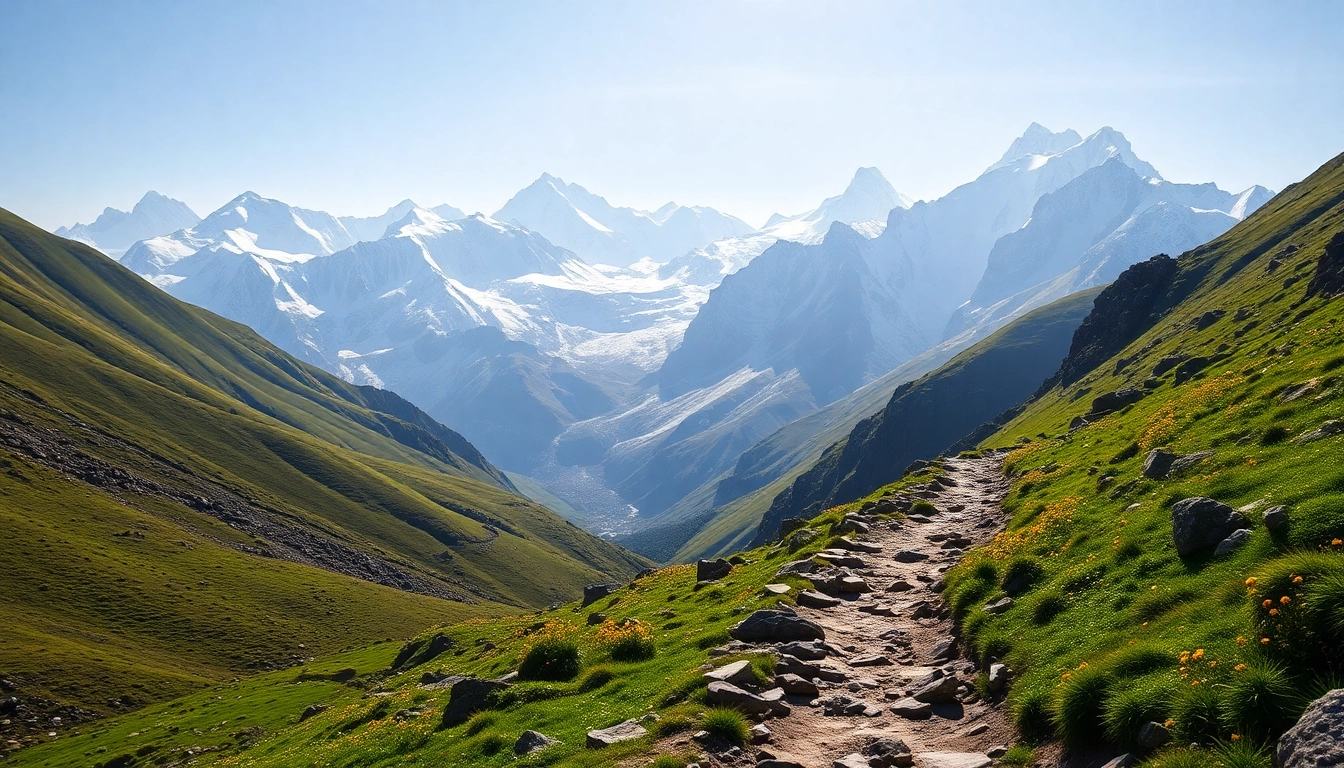
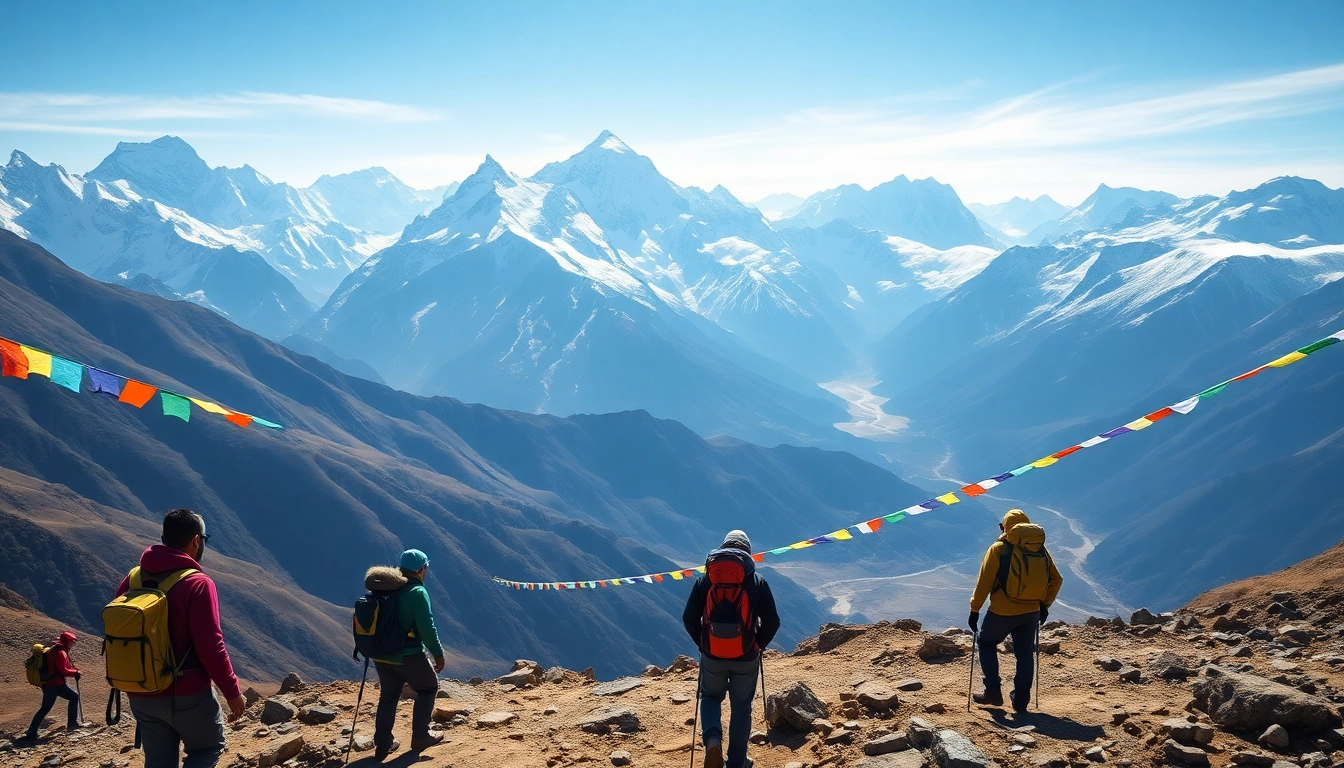
The Manaslu Circuit Trek is an awe-inspiring journey through the majestic landscapes of Nepal, offering trekkers an unparalleled experience in the heart of the Himalayas. This trek, which encompasses a distance of approximately 177 kilometers (110 miles), takes you around the eighth-highest mountain in the world, Mount Manaslu (8163 m). As you traverse through high mountain passes, peaceful villages, and verdant forests, this trek immerses you in the rich tapestry of Tibetan culture and breathtaking scenery. The manaslu circuit trek is not just a trek; it is a transformative experience that combines adventure with cultural exchange.
1.1 What Makes the Manaslu Circuit Unique?
The Manaslu Circuit distinguishes itself from other popular treks in Nepal such as the Annapurna Circuit by providing a more secluded and tranquil trekking experience. Unlike busier trails, the Manaslu Circuit is less crowded, allowing trekkers to connect more deeply with nature and local cultures. The region is rich in biodiversity, featuring lush forests, rivers, and a variety of wildlife, giving trekkers a chance to experience the untamed beauty of the Himalayas.
Moreover, the trek offers unique insights into the lives of the local Gurung and Tibetan communities. The villages you pass through, such as Samagaon and Lho, are vibrant with culture and traditions, allowing trekkers to engage with the friendly locals and immerse themselves in their way of life.
1.2 Trekking Experience and Cultural Insights
Embarking on the Manaslu Circuit Trek is not just about physical endurance; it’s also about cultural immersion. Trekkers can partake in local traditions, visit ancient monasteries, and witness daily life in the mountain communities. Highlights include visiting the Pungyen Gompa near Samagaon and interacting with local families, which enriches the trekking experience beyond the physical challenges.
1.3 Key Highlights of the Trekking Route
- Larkya La Pass: Standing at 5,160 meters, this pass offers breathtaking panoramic views of the surrounding peaks.
- Manaslu Base Camp: This detour allows trekkers to get closer to the majestic Manaslu and enjoy stunning views of the glacier.
- Cultural Villages: Villages like Lho and Samagaon provide rich cultural experiences with local traditions, handicrafts, and hospitality.
- Biodiversity: The trail passes through diverse ecosystems, from lush forests to high-altitude deserts, making it a nature lover's paradise.
2. Itinerary Breakdown for the Manaslu Circuit Trek
2.1 Detailed 15-Day Itinerary Overview
The 15-day itinerary for the Manaslu Circuit Trek is designed to provide an optimal balance of trekking and acclimatization. Starting from Kathmandu, the journey begins with a scenic drive to Machha Khola, followed by days filled with trekking through various landscapes. Each leg of the trek is carefully planned to gradually increase altitude, allowing your body to acclimatize effectively.
2.2 Acclimatization Days and Their Significance
A crucial aspect of high-altitude trekking is proper acclimatization. The itinerary includes dedicated acclimatization days, particularly at Samagaon. These days are essential for allowing your body to adjust to the elevation, significantly reducing the risk of altitude sickness. During these breaks, trekkers can explore nearby attractions such as Birendra Lake and Manaslu Base Camp.
2.3 Daily Trek Distances and Elevations
The trek generally covers 15 to 20 kilometers each day and involves ascents and descents that offer a variety of terrains. Daily distances vary, with the longest trek occurring on the day of crossing Larkya La Pass. Here’s a brief overview:
- Day 1: Arrival in Kathmandu
- Day 2: Drive to Machha Khola (8-10 hours, 869 m)
- Day 3: Trek to Jagat (6-7 hours, 1,340 m)
- Day 4: Trek to Deng (6-7 hours, 1,860 m)
- Day 5: Trek to Namrung (7-8 hours, 2,630 m)
- Day 6: Trek to Lho (3-4 hours, 3,180 m)
- Day 7: Trek to Samagaon (3-4 hours, 3,520 m)
- Day 8: Acclimatization day in Samagaon
- Day 9: Trek to Samdo (3-4 hours, 3,875 m)
- Day 10: Trek to Dharmashala (4-5 hours, 4,460 m)
- Day 11: Trek to Bimthang via Larkya La Pass (8-9 hours, 5,160 m)
- Day 12: Trek to Goa (5-6 hours, 2,515 m)
- Day 13: Trek to Dharapani (3-4 hours, 1,963 m)
- Day 14: Drive to Kathmandu (10-12 hours)
- Day 15: Departure
3. Essential Preparations for Your Trek
3.1 Required Gear and Packing List
Proper packing is essential for the Manaslu Circuit Trek. The remoteness of the trail means trekkers should be well-prepared. Here’s a comprehensive packing list:
- Clothing: Layered clothing that includes thermal base layers, waterproof jackets, trekking pants, gloves, hats, and socks.
- Footwear: High-quality trekking boots and camp shoes.
- Sleeping Gear: Recommended sleeping bag rated for -15°C and down jackets.
- First Aid Kit: Basic first aid supplies and any personal medications.
- Other Essentials: Water purification tablets, trekking poles, a hydration bladder, and a headlamp.
3.2 Physical Fitness and Training Recommendations
The Manaslu Circuit Trek is rated as moderately challenging, requiring a good level of fitness. Prior training is highly recommended to tackle the treks effectively. Here are some training tips:
- Engage in cardiovascular exercises such as running, cycling, or swimming 4-5 times a week.
- Incorporate strength training to build muscular endurance in your legs.
- Practice hiking with a weighted backpack on varied terrain.
3.3 Understanding Weather Conditions and Best Times to Trek
The best times to undertake the Manaslu Circuit Trek are during the spring (March to May) and autumn (September to November). During spring, the weather is mild with blooming flora, while autumn offers stunning clear skies and vibrant fall colors. Average daytime temperatures range from 15-20°C (59-68°F), while nighttime temperatures can drop significantly, especially at higher elevations.
4. Costs and Inclusions for the Manaslu Circuit Trek
4.1 Breakdown of Trekking Costs in 2025
The cost of the Manaslu Circuit Trek varies depending on various factors, including the trekking agency, group size, and the inclusions offered. Typically, the cost ranges from $1,500 to $2,500. For a detailed breakdown, consult with your trekking agency for personalized quotes.
4.2 Permits and Additional Expenses
Trekkers need several permits to undertake the Manaslu Circuit Trek, including the Manaslu Conservation Area Permit (MCAP), Manaslu Restricted Area Permit (MRAP), and Trekkers Information Management System (TIMS) permit. The combined cost for these permits can be between $100 to $200, depending on the duration of your trek.
4.3 What’s Included in Your Trek Package?
When booking your trek with a reputable agency, you can expect the following inclusions:
- Transportation from Kathmandu to Machha Khola and back.
- Accommodation in teahouses during the trek.
- Meals during the trek (breakfast, lunch, dinner).
- Guides and porters' fees, along with their insurance.
- Necessary trekking permits.
5. Frequently Asked Questions about the Manaslu Circuit Trek
5.1 Safety and Health Considerations
Safety is paramount on any high-altitude trek. All trekkers should take necessary precautions to prevent altitude sickness, stay hydrated, and listen to their bodies. Guides will be trained in first aid and will carry essential safety gear.
5.2 Solo vs Guided Trekking: What You Need to Know
While solo trekking is permitted in Nepal, the Manaslu Circuit requires a guide due to its remote nature and permit regulations. Opting for a guided trek enhances safety and provides valuable local insights that enrich the experience.
5.3 Tips for Enjoying Your Trek
To make the most of your Manaslu Circuit Trek, consider the following tips:
- Respect local customs and traditions.
- Be prepared for varying weather conditions.
- Engage with locals to learn about their culture and lifestyle.
- Take your time on the trail and enjoy the breathtaking scenery.