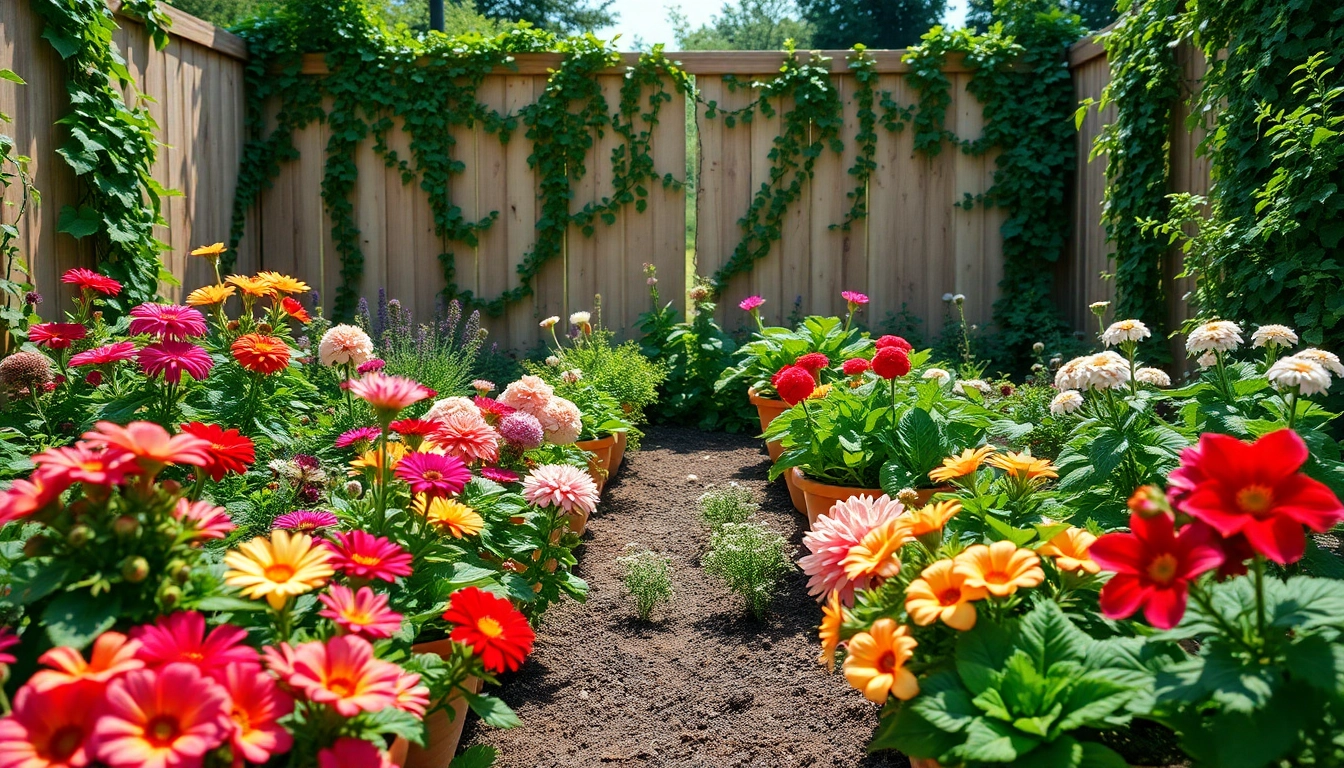
Getting Started with Gardening
Gardening is a fulfilling hobby that not only beautifies your surroundings but also provides you with fresh produce and a sense of tranquility. Whether you are a novice or an experienced gardener, starting with a solid foundation is essential. In this comprehensive guide, we will delve into various facets of Gardening, including understanding plant types, choosing the right soil, and planning your garden layout. For those looking to transform their outdoor space, embracing Gardening can be an incredibly rewarding pursuit.
Understanding Plant Types
When embarking on your Gardening journey, it's vital to understand the different types of plants available and how they fit into your garden environment. Plants can generally be categorized as annuals, perennials, biennials, and vegetables.
- Annuals: These plants complete their life cycle in one growing season. They are ideal for adding quick color and seasonal interest to your garden.
- Perennials: These plants return year after year, making them a great long-term investment for any garden. They can provide stability and structure in your landscape.
- Biennials: Unlike annuals, biennials take two years to complete their life cycle. In the first year, they focus on growth, and in the second, they flower and produce seeds.
- Vegetables: A rewarding category, vegetables vary in their growing habits and seasons. Familiarize yourself with your climate to select vegetables that thrive in your area.
Choosing the Right Soil
Soil is the foundation of any successful garden. The right soil provides necessary nutrients for plant growth and influences drainage and moisture retention. Here are key aspects to consider when selecting soil:
- Soil Composition: Ideal garden soil should have a balanced mix of sand, silt, and clay. This combination ensures optimal drainage while retaining moisture.
- pH Level: The pH level of your soil affects nutrient availability. Most plants prefer a slightly acidic to neutral pH (around 6.0 to 7.0).
- Organic Matter: Incorporating organic matter, such as compost or well-rotted manure, enriches the soil, improving structure and fertility.
Garden Layout Planning
A well-thought-out garden layout can significantly enhance your gardening experience. Consider these tips for effective layout planning:
- Sunlight Exposure: Observe how sunlight falls on your garden throughout the day. Most vegetables require at least six hours of direct sunlight.
- Spacing: Ensure adequate spacing between plants to promote air circulation and reduce competition for nutrients.
- Accessibility: Plan paths and access points to make maintenance easy and efficient.
Essential Gardening Tools
Equipping yourself with the right tools is crucial for successful Gardening. Your tool kit will vary depending on your experience level, but there are some essential tools that every gardener should have.
Recommended Tools for Beginners
If you're just starting out, consider these essential tools:
- Hand Trowel: Perfect for planting, transplanting, and digging small holes.
- Pruning Shears: Useful for trimming and shaping plants.
- Garden Fork: A handy tool for turning soil and breaking up compacted ground.
- Watering Can: Essential for watering plants, especially when they are newly planted.
Advanced Tools for Enthusiasts
For those who have more gardening experience, the following tools can enhance your capabilities:
- Rotary Tiller: Makes soil preparation easy by breaking up large areas of soil quickly.
- Garden Hoe: Perfect for weeding and cultivating soil.
- Landscape Rake: Useful for leveling soil and removing debris.
Maintenance Tools Every Gardener Needs
Regular maintenance ensures plants remain healthy. Invest in these tools:
- Sprayer: Ideal for applying fertilizers and pesticides to your plants.
- Gloves: Protect your hands while working in the garden.
- Garden Kneeler: Provides comfort when planting or weeding.
Best Practices for Plant Care in Gardening
Effective plant care involves several aspects that, when done correctly, can lead to vibrant and healthy plants.
Watering Techniques
Understanding when and how to water your plants is crucial. Here’s what you should consider:
- Deep Watering: Water your plants deeply but less frequently to encourage root growth.
- Time of Day: Early morning is the best time to water, as it reduces evaporation and disease risk.
- Check Soil Moisture: Use your finger or a moisture meter to assess the wetness of the soil before watering.
Fertilization Tips
Fertilizing provides essential nutrients to your plants. Keep these guidelines in mind:
- Choose the Right Fertilizer: Different plants have different nutrient needs. Use organic or slow-release fertilizers for best results.
- Follow Recommended Guidelines: Over-fertilizing can harm plants; always adhere to label instructions.
- Timing: Fertilize during the active growing season, usually spring and early summer.
Pest and Disease Management
Gardening often comes with challenges in the form of pests and diseases. Here are some strategies for effective management:
- Identify Pests Early: Regularly inspect your plants for any signs of pest activity.
- Natural Controls: Consider using beneficial insects such as ladybugs and lacewings to manage pests.
- Cultural Practices: Rotating crops and maintaining healthy plants can prevent many diseases.
Seasonal Gardening Considerations
Each season presents unique challenges and opportunities in Gardening. Understanding seasonal needs can help optimize your garden’s health.
Spring Planting Strategies
Spring is the time for rejuvenation in your garden. Follow these strategies:
- Soil Preparation: Amend the soil with organic matter and test the pH level to ensure optimal conditions.
- Choosing the Right Plants: Opt for early bloomers and cool-season vegetables like peas and lettuce.
- Timing: Pay attention to the last frost date in your area to plan planting schedules accurately.
Summer Care Techniques
The summer heat can be taxing. Here’s how to ensure your garden thrives:
- Regular Watering: Increase watering frequency to combat heat stress.
- Mulching: Apply mulch around plants to retain moisture and suppress weeds.
- Pruning: Regularly prune and deadhead to encourage growth and flowering.
Fall and Winter Preparation
As temperatures drop, preparing your garden for winter is essential to ensure a successful spring:
- Harvesting: Collect all ripe produce and remove any diseased plants to prevent winter pests.
- Soil Health: Consider bringing in cover crops to improve soil health over winter.
- Equipment Storage: Clean and store your tools to extend their lifespan.
Advanced Gardening Techniques
Once you’ve mastered the basics, you may want to delve into more advanced techniques to optimize your Gardening experience.
Companion Planting Benefits
Companion planting refers to planting different species in close proximity for mutual benefits. Here are some advantages:
- Pest Control: Some plants can repel pests or attract beneficial insects.
- Nutrient Enhancement: Certain plants can enrich the soil by fixing nitrogen or improving soil structure.
- Space Optimization: Companion planting effectively uses space, maximizing your garden’s productivity.
Sustainable Gardening Practices
Incorporating sustainable practices not only helps the environment but can also contribute to healthier plants:
- Composting: Create your own compost from kitchen scraps to enrich your garden naturally.
- Native Plants: Utilizing native plants can reduce water usage and attract local wildlife.
- Water Conservation: Implement drip irrigation systems to decrease water waste.
Experimenting with Hydroponics in Gardening
Hydroponics is a soilless gardening technique that offers numerous advantages:
- Space Efficiency: Hydroponic systems can be set up in small spaces, making it ideal for urban gardeners.
- Faster Growth: Plants often grow faster as they receive nutrients directly through water.
- Reduced Pesticide Use: Because of the controlled environment, the need for pesticides is often lowered.
In conclusion, Gardening is a multifaceted activity that can range from simple to complex depending on your aspirations. By understanding essential gardening principles and practices, equipping yourself with the right tools, and adapting to seasonal changes, you can cultivate a thriving garden that brings joy and sustenance. Remember, the key to a rewarding gardening experience lies in patience, observation, and a willingness to learn. Explore your local resources, connect with fellow gardeners, and most importantly, enjoy the beauty and benefits that come with nurturing your very own garden.