Understanding the Shrink Wrap Machine
What is a Shrink Wrap Machine?
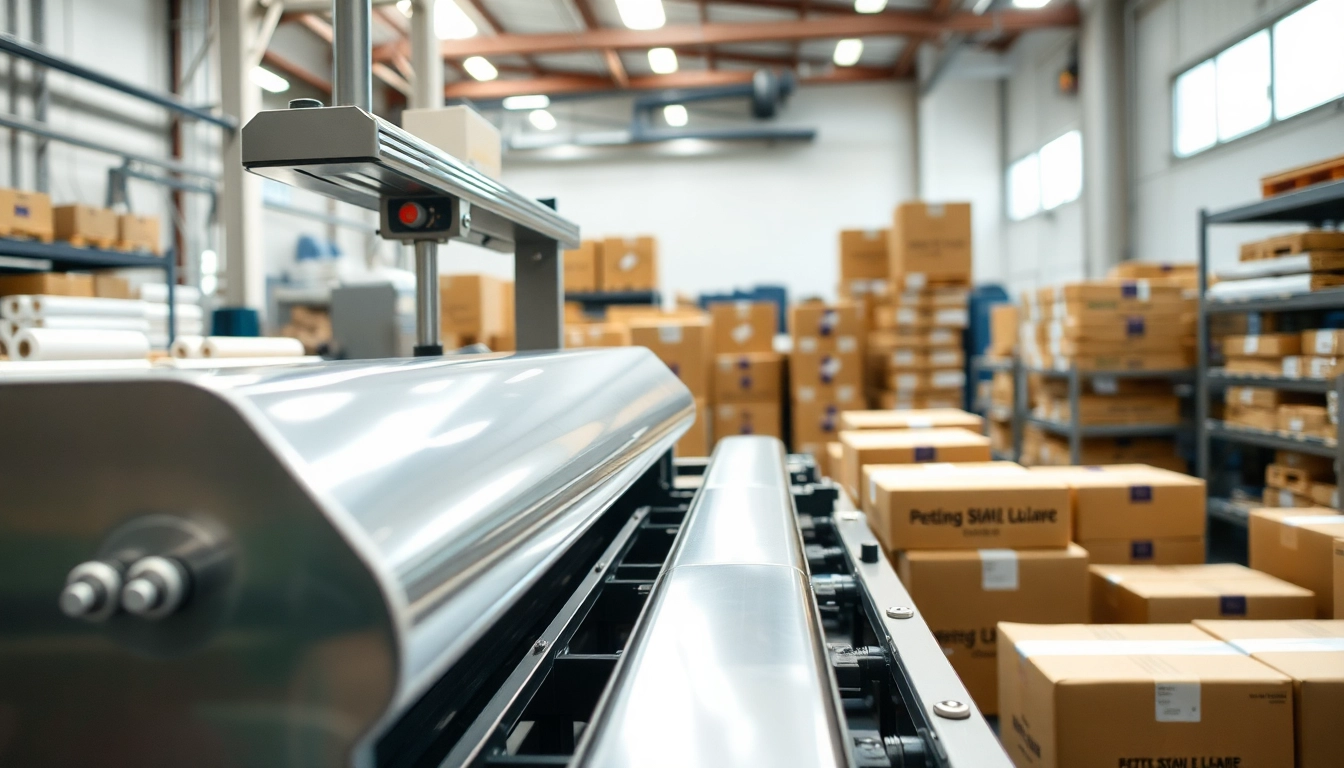
A shrink wrap machine is a packaging device that uses heat to shrink plastic film tightly around products. This process is widely utilized across various industries, including food services, manufacturing, and logistics. By encasing items in a secure layer of plastic, the machine ensures protection against damage, moisture, and contaminants, making it an essential tool for businesses aiming to improve their packaging efficiency.
Key Components of a Shrink Wrap Machine
Shrink wrap machines typically comprise several key components that contribute to their efficient operation:
- Heat Source: This may be a heat tunnel or heat gun that provides the necessary heat to shrink the film around the product.
- Film Feed Mechanism: This component supplies the shrink film, ensuring a smooth and continuous operation.
- Control Panel: Most machines come with user-friendly controls for setting temperature, speed, and wrapping specifications.
- Conveyor System: For automated machines, a conveyor system helps transport products into and out of the machine seamlessly.
- Chamber: The chamber is where the product is wrapped. It is essential that this area is appropriately insulated to maintain heat levels.
Types of Shrink Wrap Machines
Shrink wrap machines are available in various types, each designed to suit specific packaging needs:
- Manual Shrink Wrap Machines: These are operated by hand and are best suited for small-scale operations or businesses just starting with shrink wrapping.
- Semi-Automatic Shrink Wrap Machines: These machines require some manual operation but offer increased efficiency compared to manual machines. They are ideal for medium-scale productivity.
- Fully Automatic Shrink Wrap Machines: Designed for high-volume production, they automate the entire process from wrapping to sealing, offering the highest efficiency and speed.
Benefits of Using a Shrink Wrap Machine
Enhanced Efficiency in Packaging
Employing a shrink wrap machine streamlines the packaging process. The speed at which these machines work is unmatched compared to manual packing efforts. High-volume production lines benefit significantly from this increased efficiency, leading to faster turnaround times and minimized labor costs. Furthermore, the consistent results lead to enhanced output quality, ensuring products are uniformly wrapped.
Cost-Effectiveness and Resource Management
Using a shrink wrap machine can result in lower overall packaging costs over time. Although the initial investment may be higher compared to manual packing methods, the long-term savings in labor and material costs make it worthwhile. Shrink wrap film is relatively inexpensive, and the machine ensures optimal use of film, reducing waste. Businesses can manage their resources more effectively, leading to higher profit margins.
Improved Product Protection and Shelf Life
Packing items in shrink film not only provides a snug fit but also safeguards the product during transit and storage. The film acts as a barrier against moisture, dust, and contaminants, which is especially beneficial for perishable goods. This protective layer contributes to extending the shelf life of products, thereby reducing spoilage and returns, which is a significant advantage for retailers and manufacturers.
Choosing the Right Shrink Wrap Machine
Factors to Consider Before Purchase
When selecting a shrink wrap machine, several factors must be taken into account. Assessing your specific needs and production goals is crucial. Consider the volume of products that require wrapping and the size of the items. Efficiency and speed are also important; for high volumes, opt for fully automatic models to ensure seamless operations. Evaluating available space for equipment and installation requirements is another essential step.
Common Specifications and Features
Key features and specifications to look for include:
- Film Compatibility: Different machines work with different types of films. Ensure that the machine you choose suits your preferred shrink film.
- Throughput Rate: This measures how quickly the machine can wrap and seal products, impacting your overall productivity.
- Temperature Control: Precise temperature settings are vital for achieving optimal shrink results.
- Safety Features: Look for machines with built-in safety features to protect operators from burns or accidents.
Evaluating Brand Reputation and Support
Choosing a reputable brand is crucial for ensuring quality and reliability. Research customer reviews and testimonials to gauge performance and support levels. Quality customer service can significantly enhance your experience and address any concerns post-purchase. It's essential that the manufacturer offers comprehensive training, warranties, and reliable technical support to facilitate smooth operations.
Best Practices for Operating a Shrink Wrap Machine
Setting Up Your Machine for Optimal Performance
To maximize performance, first, select a suitable location for the machine, considering factors like ventilation and accessibility. Follow the manufacturer’s installation guidelines closely. Calibration is key; ensure that your shrink wrap machine is set to the appropriate temperature and film settings for optimal film shrinkage and product protection. Conduct test runs to refine your configurations before proceeding with full-scale operations.
Routine Maintenance and Troubleshooting Tips
Regular maintenance extends the lifespan of your shrink wrap machine and enhances efficiency. This includes cleaning the machine after daily operations, checking for wear and tear, and replacing any worn parts promptly. Make a checklist of regular maintenance tasks such as assessing film feeders, heat seals, and conveyor belts. If issues arise, consult your troubleshooting guide or professional technician for assistance to avoid prolonged downtimes.
Training Staff for Safe Operation
Proper training for staff is vital in ensuring safe and efficient operations. Conduct hands-on training sessions that cover machine operations, safety protocols, and emergency procedures. Employees should be familiar with potential hazards and how to mitigate them, including risks associated with heat sources and mechanical parts. Regular refreshers can reinforce safety and operational best practices.
Frequently Asked Questions About Shrink Wrap Machines
What products can be packaged with a shrink wrap machine?
A shrink wrap machine can package a vast array of products including food items, electronics, pharmaceuticals, and household goods. It's versatile and suitable for both large and small items.
How often should I maintain my shrink wrap machine?
Maintenance should be conducted regularly, ideally daily for operational checks, and deep cleaning should occur weekly to ensure optimal performance and increase longevity.
What is the average lifespan of a shrink wrap machine?
With proper maintenance, a shrink wrap machine can last anywhere from 5 to 20 years, depending on usage, care, and quality of construction.
Can shrink wrap machines handle large volumes?
Yes, many shrink wrap machines are designed to handle high volumes efficiently, particularly fully automatic models that can operate continuously with minimal oversight.
Are there any safety concerns when using a shrink wrap machine?
Operators should be aware of potential hazards, including burns from heat sources and mechanical pinch points. Proper training and following safety protocols significantly mitigate these risks.