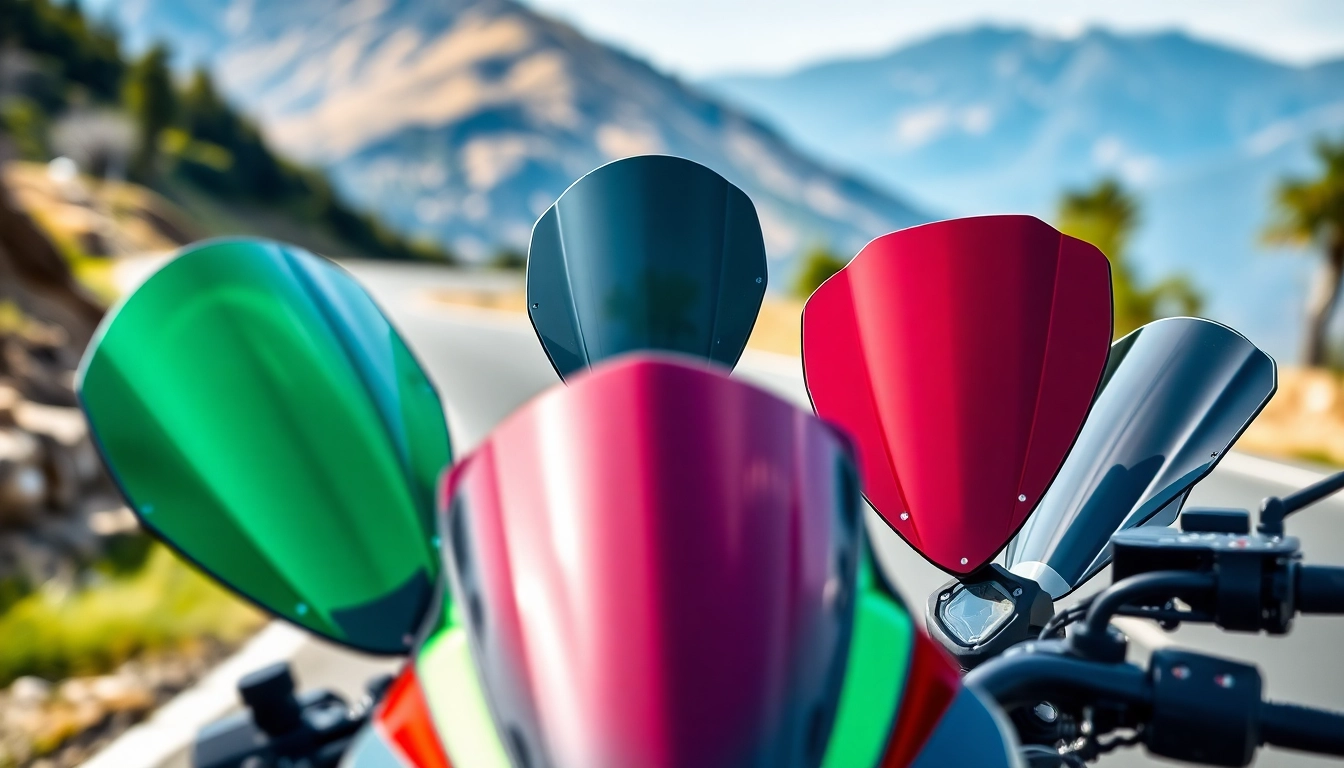
Understanding Motorcycle Screens and Their Importance
Motorcycle screens are an essential component of many motorcycle designs, enhancing performance, comfort, and aesthetics. These screens serve a functional purpose, acting as a barrier between the rider and the wind, which can significantly affect the riding experience. When riding at high speeds, the relentless force of wind can lead to fatigue and discomfort. This is where motorcycle screens come into play, offering both protection and improved aerodynamics. In this guide, we will explore the various facets of motorcycle screens, from their importance to maintenance tips, ensuring riders are well-informed before making a purchase or upgrade.
What Are Motorcycle Screens?
Motorcycle screens are protective barriers designed to shield the rider from wind, debris, and weather elements like rain and insects. They are often made from materials such as polycarbonate or acrylic, which offer a combination of durability and clarity. The design of these screens can vary greatly, from low-profile windshields that enhance sleek sports bike designs to taller windshields preferred by touring riders for maximum wind protection. Their primary function is to reduce drag and turbulence, which can improve stability and enhance the overall riding experience.
The Role of Motorcycle Screens in Aerodynamics
One of the significant advantages of installing motorcycle screens is the enhancement of aerodynamics. Wind resistance can drastically affect a motorcycle's performance, especially at higher speeds. By redirecting airflow away from the rider, well-designed motorcycle screens reduce wind turbulence, allowing for a more stable ride. Additionally, they can improve fuel efficiency by decreasing drag. Research indicates that motorcycles equipped with aerodynamic screens can exhibit measurable improvements in speed and handling, making them a vital aspect not only for comfort but also for performance optimization.
Types of Motorcycle Screens Available
When considering motorcycle screens, it’s important to note that they come in various types tailored to different riding styles and preferences. Key categories include:
- Sport Screens: Typically lower and more aggressive in shape, sport screens are designed for racing and high-speed riding, focusing on aerodynamics and minimal wind resistance.
- Touring Screens: These are taller and often wider, providing maximum protection against wind and rain, making them ideal for long-distance touring.
- Adventure Screens: Designed for off-road and dual-sport motorcycles, these screens offer a balance of airflow management and protection against adverse weather.
- Custom Screens: Many riders opt for custom-made screens that match specific motorcycles, allowing for personalized aesthetics and functionality.
Choosing the Right Motorcycle Screens for Your Bike
With a multitude of options available, selecting the right motorcycle screen can be daunting. However, understanding your specific needs and preferences can simplify the decision-making process.
Factors to Consider When Selecting Motorcycle Screens
When choosing motorcycle screens, consider the following factors:
- Riding Style: Identify whether you primarily ride for sport, leisure, or long distances – this will influence the type of screen best suited for you.
- Wind Protection: Assess how much wind protection you require. Taller screens offer more protection but may add weight and alter handling.
- Aesthetic Fit: Ensure that the screen complements the motorcycle's design and aligns with your personal style.
- Ease of Installation: Consider whether you prefer a screen that can be easily installed or if you’re comfortable with more complex modifications.
Material Choices for Motorcycle Screens
The material of a motorcycle screen impacts its durability and effectiveness. Common materials include:
- Acrylic: Known for its clarity and lightweight properties, acrylic screens are often less expensive but can be prone to scratching.
- Polycarbonate: More durable than acrylic, polycarbonate screens offer excellent impact resistance, making them suitable for off-road conditions.
- Glass: While heavy and less common, glass offers unparalleled clarity and scratch resistance, but may not be feasible for all motorcycle models.
Compatibility with Different Motorcycle Models
Another crucial aspect of selecting motorcycle screens is compatibility. Many manufacturers create screens designed to fit specific motorcycle models, ensuring optimal performance and aesthetics. It is essential to verify that the screen you choose is explicitly compatible with your motorcycle’s make and model to avoid installation issues and to maximize the performance benefits.
Installation Tips and Best Practices for Motorcycle Screens
Proper installation is key to maximizing the benefits of your new motorcycle screen. Here are detailed tips and best practices for a successful installation process.
Step-by-Step Guide to Installing Motorcycle Screens
- Gather Your Tools: Collect all necessary tools, which may include a screwdriver, socket wrench, and any specific brackets that come with the screen.
- Read Instructions: Before starting, thoroughly read the manufacturer’s installation instructions, which may provide insights specific to your screen model.
- Remove the Old Screen: Begin by detaching the existing screen, if applicable. Keep all screws and connectors for potential reuse.
- Attach the New Screen: Align the new screen with the designated mounting points on your motorcycle, ensuring it fits snugly and securely.
- Tighten Hardware: Use the appropriate tools to tighten screws and bolts, taking care not to over-tighten, which can lead to damage.
- Test the Installation: Once installed, gently shake the screen to ensure it is firmly in place. A little trial ride can help assess stability and effectiveness.
Tools Needed for Installation
Use the following tools to facilitate a smooth installation process:
- Screwdrivers (flathead and Phillips)
- Socket wrench set
- Torque wrench
- Rubber grommets (if applicable)
- Cleaning cloth for any necessary pre-installation surface prep
Common Installation Mistakes to Avoid
To ensure a successful installation, be mindful of these common pitfalls:
- Neglecting to Test Fit: Always do a test fit before securing the screen to assess alignment and clearance.
- Over-tightening Screws: Excessive force can crack the screen or strip the screws, leading to potential failures.
- Ignoring Manufacturer Instructions: Skipping crucial steps outlined in the installation manual can lead to improper usage and may void warranties.
Maintaining Your Motorcycle Screens for Longevity
After installation, proper maintenance of motorcycle screens is crucial for preserving their clarity and functionality over time. Here are some effective maintenance strategies.
Cleaning and Care Tips for Motorcycle Screens
To keep your motorcycle screens in top condition, regular cleaning is essential. Consider these tips:
- Use a Mild Soap: Clean the screen with warm soapy water and a soft cloth to avoid scratching. Avoid harsh chemicals that can damage the material.
- Rinse Thoroughly: After washing, rinse with clean water to remove soap residue, which can cause cloudiness over time.
- Dry Gently: Use a microfiber cloth to dry the screen, avoiding any abrasive materials that could scratch the surface.
Preventing Scratches and Damage
Preventative measures can save you from costly replacements due to scratches or damage:
- Avoid Pressure Washers: High-pressure washing can create micro-scratches on the screen surface, so it's best to wash gently.
- Store Properly: When not in use, covering your motorcycle or using a screen protector can shield it from dust and debris.
- Monitor for Signs of Wear: Regularly inspect the screen for cracks or haziness, which may warrant immediate attention.
When to Replace Your Motorcycle Screens
Identifying when to replace your motorcycle screens can prolong your motorcycle's performance. Consider replacing the screen if:
- Significant scratches impair visibility.
- Cracks develop, compromising structural integrity.
- The screen no longer fits snugly due to wear and tear.
Rider Experiences and Reviews of Motorcycle Screens
Understanding real-life rider experiences can help potential buyers make informed choices. This section highlights what to consider based on user feedback.
Customer Feedback on Different Motorcycle Screens
Riders often share valuable insights on their experiences with various motorcycle screens. Common feedback themes include:
- Ease of Installation: Many riders appreciate clear instructions, noting they greatly enhance user satisfaction.
- Improved Comfort: Numerous riders report a noticeable reduction in neck strain and fatigue during long rides.
- Visual Clarity: Reviews tend to highlight the importance of optical clarity, as distortion can affect safety.
Comparative Analysis of Popular Motorcycle Screens
Comparing different motorcycle screens helps shed light on features that riders prioritize. Key factors include:
- Wind Deflection: Riders often assess how well a screen redirects wind around their body, impacting overall comfort.
- Durability: Longevity under various weather conditions is frequently discussed, with many opting for materials that resist scratches and fading.
- Design Compatibility: Aesthetics matching the motorcycle design is an important feature discussed by many motorcycle enthusiasts.
Real-Life Performance Benefits of Upgraded Motorcycle Screens
Upgrading to a high-quality motorcycle screen can yield tangible performance benefits. Riders report improvements such as:
- Enhanced aerodynamics leading to better handling at high speeds.
- Reduced turbulence allowing for a quieter ride.
- Less fatigue during long rides due to increased wind protection.
In conclusion, motorcycle screens are pivotal in enhancing both the experience and safety of riding. Understanding their types, installation, maintenance, and the benefits confirmed by seasoned riders can empower you as a motorcycle enthusiast to make informed decisions, ensuring your rides are more enjoyable and comfortable.