Understanding River Rope Bridges
River rope bridges are unique structures that provide a vital connection across waterways, often embodying the perfect blend of functionality and aesthetic appeal. These bridges are not only practical for crossing rivers but also enhance the surrounding landscape, offering scenic views and a thrilling experience for adventurers. Whether for recreational use, outdoor activities, or as part of a community project, the popularity of the River Rope Bridge continues to grow, driven by a desire for adventure and exploration.
What is a River Rope Bridge?
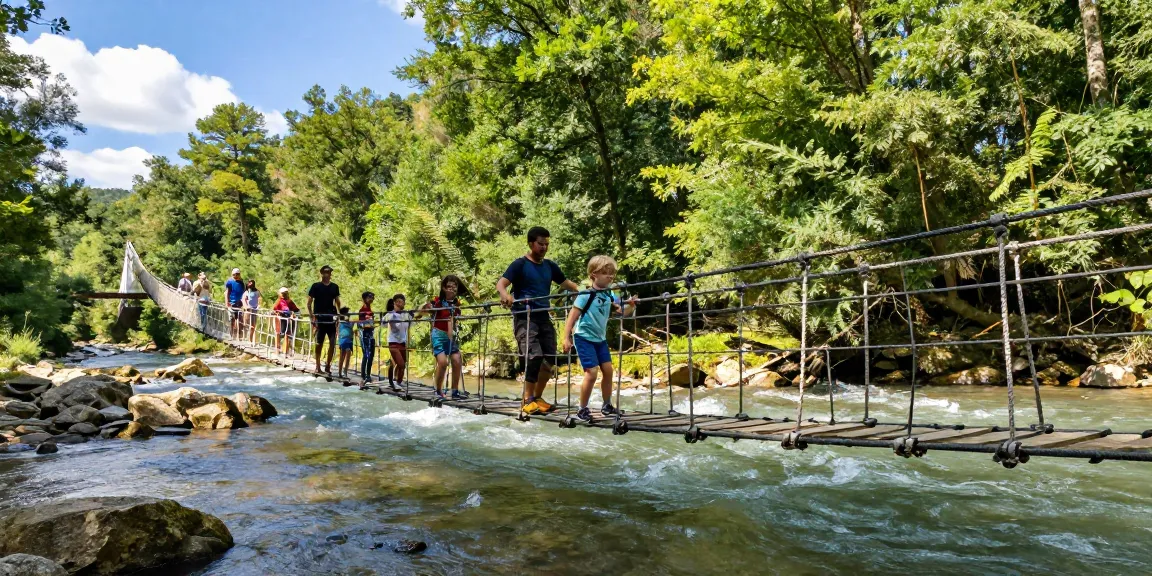
A river rope bridge, as the name suggests, is a suspension bridge that typically uses ropes and wood to create a pathway across a body of water. These bridges can vary in length, materials, and design, from simple, rustic structures to more elaborate constructions. Unlike traditional bridges, river rope bridges often have a lightweight design, making them easier to install in remote areas where access is limited. They serve various purposes, from providing access for hikers and campers to functioning as critical infrastructure in rural communities.
History and Cultural Significance of Rope Bridges
The history of rope bridges dates back thousands of years, with cultures around the world utilizing this simple yet effective method to cross rivers and gorges. For instance, the Inca civilization in South America famously constructed grass rope bridges, some of which still exist today. These structures were not just functional; they held significant cultural weight, symbolizing connections between communities and access to vital resources. The modern resurgence of interest in rope bridges often reflects a growing appreciation for sustainable building practices and the desire to connect with nature.
How River Rope Bridges are Constructed
Constructing a river rope bridge involves careful planning and execution. The first step is to identify suitable locations, ensuring that the banks are stable and the water flow is manageable. The primary materials required include high-tensile strength ropes, wooden planks for the deck, and additional supports, such as beams or cables. After selecting the site, builders typically anchor the main ropes securely to trees or posts on either side of the river, creating a tensioned line. The deck is then constructed, often using planks spaced at intervals to maintain airflow and reduce pressure on the supporting ropes.
Benefits of Using River Rope Bridges
River rope bridges offer a multitude of benefits, especially in outdoor settings where traditional bridges may not be feasible. They provide unique access points that enhance the user experience while promoting environmental consideration.
Advantages for Outdoor Activities
One of the primary benefits of river rope bridges is their ability to facilitate outdoor activities such as hiking, camping, and wildlife observation. These bridges allow adventurers to access remote or challenging terrains where conventional paths may be impractical. Additionally, crossing a rope bridge can be an exhilarating experience, appealing to thrill-seekers and nature enthusiasts alike. Furthermore, many river rope bridges are designed to blend harmoniously with their surroundings, offering not just function but also beauty.
Environmental Impact and Sustainability
Rope bridges are generally considered eco-friendly options compared to traditional bridges. Their lightweight construction requires fewer materials and less heavy machinery for installation, which reduces environmental disruption. Many modern designs also incorporate materials sourced sustainably, further minimizing the ecological footprint. This approach can help maintain the natural landscape and biodiversity, demonstrating that development and preservation can coexist.
Safety Features in Modern Rope Bridges
While adventure is a significant draw for users of river rope bridges, safety is paramount. Modern designs often include safety features such as handrails, non-slip surfaces, and weight limits to ensure secure passage across the bridge. Regular inspections and maintenance are essential to uphold safety standards and prevent degradation over time. Additionally, some bridges may incorporate safety nets or emergency stop mechanisms to enhance user safety further.
Choosing the Right River Rope Bridge
Selecting the right river rope bridge involves consideration of several factors, including purpose, location, and budget. Each decision impacts the bridge's design and functionality.
Factors to Consider When Selecting a Rope Bridge
When choosing a river rope bridge, it's crucial to assess the intended use. For instance, if the bridge will primarily serve hikers and campers, it should be appropriately designed for foot traffic, potentially with weight restrictions. The chosen materials should also be evaluated based on durability and environmental conditions, ensuring the structure remains safe and functional regardless of weather fluctuations.
Comparing Costs: DIY vs. Professional Installation
The cost of a river rope bridge can vary significantly based on its complexity, materials, and whether it is a DIY project or professionally installed. DIY projects may be more budget-friendly but require careful planning and skill. Conversely, engaging professionals ensures a higher safety standard and superior craftsmanship, yet it can be more expensive. It is essential to weigh the pros and cons of each option before making a decision.
Essential Materials for Building a Safe Rope Bridge
Building a safe and durable river rope bridge requires selecting appropriate materials. High-strength ropes, treated wood, and corrosion-resistant fittings are essential for ensuring longevity and stability. Additionally, anchors must be robust enough to secure the bridge's structure against environmental forces like floods or strong winds. Leveraging quality materials can significantly impact the bridge's overall safety and usability.
Best Practices for Maintenance and Safety
Regular maintenance is critical to the longevity and safety of river rope bridges. Establishing a routine inspection schedule can help identify potential issues before they escalate.
Routine Inspection Checklist for Rope Bridges
- Check for signs of wear and tear on ropes.
- Inspect wooden planks for rot or damage.
- Ensure anchors are secure and not corroded.
- Examine safety features such as handrails for stability.
- Clean debris and vegetation that may obstruct access.
Common Issues and How to Fix Them
Common issues faced by river rope bridges include fraying ropes, loose fittings, and weather damage to wooden components. Frayed ropes can often be replaced by splitting the bridge temporarily and installing new segments. If wooden planks show signs of rot, they should be replaced immediately to prevent accidents. Regular upkeep and prompt repairs can extend the life of the bridge significantly.
Emergency Procedures for Rope Bridge Crossing
Establishing emergency protocols can prepare users for unexpected situations, such as sudden weather changes or structural issues. Users should be briefed on the weight limit and instructed to cross one at a time during adverse conditions. Having a first-aid kit nearby and ensuring accessible communication methods in case of emergencies can enhance safety significantly.
The Future of River Rope Bridges in 2026 and Beyond
The landscape of river rope bridges is set to evolve, driven by advancements in materials and design, as well as increasing interest in sustainable building practices.
Innovations in Design and Materials
As technology advances, new materials such as synthetic ropes and eco-friendly composites are emerging as safe and durable options for building rope bridges. These innovations can enhance both the structural integrity and environmental compatibility of bridges, paving the way for more sustainable construction practices. Furthermore, design software now allows for more complex and aesthetically pleasing bridge designs, accommodating a wider array of locations and uses.
Predicted Trends in Recreational Use
As more individuals seek outdoor experiences, the demand for river rope bridges is expected to rise. Their unique characteristics make them appealing for adventure tourism, and communities may invest in rope bridges to enhance local attractions. This trend aligns with a broader movement towards eco-tourism, where experiences are centred on natural beauty and adventure.
Case Studies of Successful River Rope Bridge Projects
Several communities worldwide have successfully integrated river rope bridges into their landscapes. For example, in Costa Rica, a network of rope bridges in the rainforest has become a popular attraction, allowing visitors to experience the stunning biodiversity from above. Similarly, numerous parks in the United States have utilized rope bridges to connect trails and create scenic access points, demonstrating the flexibility and appeal of these structures.
What are those rope bridges called?
Rope bridges are often referred to as suspension bridges, as they suspend the pathway above the ground with ropes or cables. They can also be known as swinging bridges or hanging bridges, depending on the specific design and structure.
How much does a rope bridge cost?
The cost of building a rope bridge can range widely, depending on factors like size, materials used, and whether it's a DIY project or completed by professionals. A small, simple rope bridge can cost a few thousand dollars, while more complex structures may exceed tens of thousands.
Where is the rope bridge located?
Rope bridges can be found in various locations globally, from the famous Carrick-a-Rede Rope Bridge in Northern Ireland to remote hiking trails in the Andes. Their placement often aligns with natural landscapes, making them both functional and visually stunning.
How to cross a river with a rope?
Crossing a river with a rope involves a few key steps for safety and security. It typically starts with one person crossing first while secured with proper gear, anchoring the rope on the opposite bank. The rope is then tightened, allowing others to cross one by one under supervision, maintaining stability and connection throughout the process.
What is the best type of rope for building a bridge?
The best type of rope for building a bridge is typically high-tensile synthetic rope, which offers durability, resistance to environmental factors, and a strong load-bearing capacity. Natural fibres, while traditional, may not provide the same longevity and strength as modern synthetic materials.