Understanding Car Fuses and Their Critical Role in Vehicle Safety
Car fuses are essential components in a vehicle's electrical system, serving as protective devices that prevent electrical circuits from overloading and potentially causing hazards like fires or component failure. When issues arise, understanding the function and importance of car fuses can easily save your vehicle from costly repairs or safety hazards. For comprehensive insights into automotive electrical systems, you can refer to https://bezpieczniki24.pl.
Understanding Fuse Types and Their Functions
Car fuses come in several types, each designed to accommodate different electrical loads. Some of the most common types include:
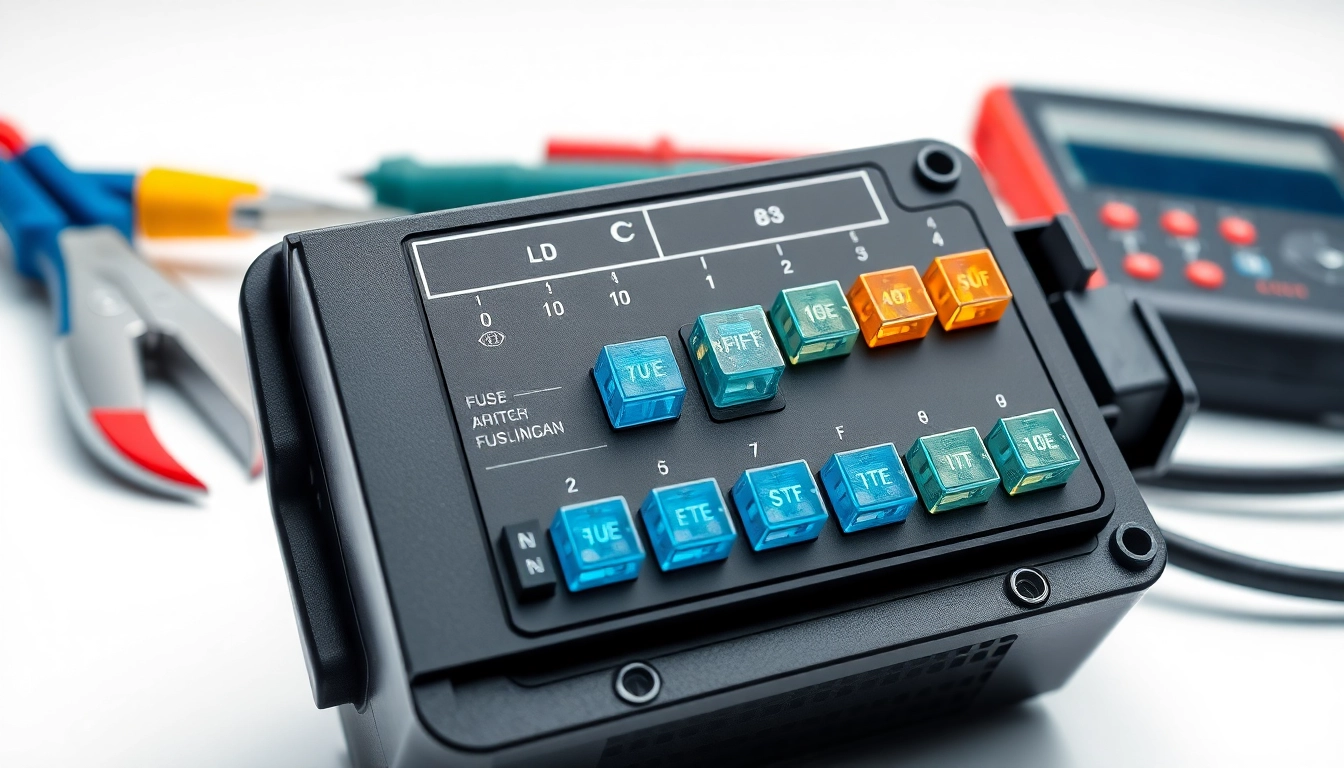
- Blade Fuses: These are the most widely used in automotive applications and are easily recognizable by their plastic housing and two metal prongs.
- Glass Tube Fuses: Often found in older models, these cylindrical fuses are encased in glass and contain a metal filament that melts when too much current flows through it.
- Mini and Low-Profile Fuses: These are newer designs used in modern vehicles, offering more compact profiles while still effectively protecting electrical circuits.
Each type of fuse is rated for a specific amperage, indicated on its body, and must be replaced with a fuse of the same rating to ensure safety and functionality.
Common Issues Related to Car Fuses
It is common for car fuses to blow, especially under strain from increased electrical demands like additional lighting or aftermarket electronics. Some prevalent issues include:
- Overloading: Using electrical systems excessively beyond their designed limits can trip fuses.
- Corrosion: Moisture can lead to corrosion of fuse connections, resulting in faulty circuitry.
- Short Circuits: These are often caused by damaged wiring or improper installations, leading to fuses blowing more frequently.
Recognizing these issues early can avert extensive electrical problems in your vehicle.
How to Identify a Faulty Fuse
Identifying a faulty fuse is relatively straightforward. Here are some signs that indicate a blown fuse:
- Electrical Failures: If specific components (like lights or radio) suddenly stop working, the fuse for those circuits might be blown.
- Visual Inspection: Remove the fuse and inspect it for a broken wire or blackened appearance, which indicates failure.
- Testing with a Multimeter: Using a multimeter to check continuity through the fuse can determine if it is still functional.
Accessing the Fuse Box
Locating Your Car's Fuse Box
Every vehicle has at least one fuse box, and their locations can vary significantly. Typically, you can find them in any of the following areas:
- Under the Dashboard: In many cars, the fuse box is located within reach underneath the dashboard on the driver's side.
- Under the Hood: Some vehicles have a secondary fuse box located in the engine compartment, safeguarding against high-temperature environments.
- In the Trunk: Although less common, some models may include a fuse box inside the trunk, particularly for rear electrical components.
Tools Needed for Fuse Box Access
To access and work with your vehicle's fuse box effectively, you will require:
- Screwdriver: This is often needed to remove any screws securing the fuse box cover.
- Fuse Puller: Many fuse boxes come with a built-in fuse puller, but a pair of needle-nose pliers can serve the purpose just as well.
- Multimeter: For testing continuity and ensuring that fuses are functioning correctly.
Safety Precautions When Working with Fuses
Before working on your vehicle’s fuses, it is crucial to observe appropriate safety measures:
- Disconnect the Battery: To prevent any shocking or shorts, always disconnect the car battery before working on the electrical system.
- Work in a Well-Lit Area: Good lighting will help you see clearly while examining components.
- Wear Safety Goggles: This protects your eyes from dust or debris when accessing the fuse box.
Replacing and Testing Fuses
Step-by-Step Guide to Changing a Car Fuse
Changing a car fuse is a straightforward process. Here's how to do it step-by-step:
- Turn Off the Vehicle: Ensure the ignition is off before starting.
- Locate the Fuse Box: Refer to your owner's manual if you have trouble finding it.
- Identify the Blown Fuse: Use the diagram usually found on the inside of the fuse box cover to locate the specific fuse for the faulty component.
- Remove the Fuse: Use your fingers or a fuse puller to gently remove the blown fuse.
- Insert a New Fuse: Insert a new fuse of the same amperage securely into place.
- Reconnect Any Disconnects: If you disconnected the battery, reconnect it and then test the component to ensure it operates correctly.
How to Test Fuses Properly
Testing fuses can be done without a multimeter as well:
- Visual Inspection: Look for any physical signs of damage.
- Continuity Testing: A multimeter can be used to check for continuity. A functioning fuse should show continuity, whereas a blown fuse will not.
Common Mistakes to Avoid During Replacement
While changing fuses, avoid these common pitfalls:
- Using the Wrong Amperage Fuse: Never replace a fuse with one that has a higher amperage rating, as this defeats the purpose of the fuse and poses safety risks.
- Neglecting to Secure the Fuse Box Cover: Always ensure that the cover is closed properly to prevent debris from entering.
- Ignoring Signs of Damage: If you frequently blow fuses, it may indicate a larger electrical issue that needs attention.
Preventing Fuse Issues and Maintaining Your Vehicle
Regular Maintenance Tips for Electrical Systems
To prevent fuse problems, it’s essential to conduct regular maintenance on your vehicle's electrical system:
- Inspect Wiring Regularly: Look for frayed or damaged wires that might cause shorts.
- Keep Connections Clean: Regularly clean battery terminals and all other electrical connections for corrosion.
- Check Fuses Periodically: It’s beneficial to visually inspect fuses from time to time, even if everything seems to be operating correctly.
Understanding Common Causes of Fuse Blowouts
Understanding why fuses blow can help you take preventative measures:
- Heavy Loads: As more electronics get added to vehicles, ensure the electrical system can handle the load.
- Faulty Components: Defective devices or systems often cause fuses to blow as the system tries to compensate.
- Moisture Exposure: Water intrusion into the fuse box or electrical connections leads to corrosion and shorts.
How to Upgrade Your Vehicle's Electrical System
If you find your vehicle frequently experiences fuse issues due to upgraded components like new stereos or lights, consider the following upgrades:
- Higher Capacity Alternator: A more powerful alternator can better support additional electrical loads.
- Upgraded Wiring Harness: Opt for a wiring harness that can handle increased loads more effectively.
- Relays for High-Demand Devices: Implementing relays can help manage high amperage devices without overloading circuits.
Resources and Further Reading
Online Tools for Fuse Lookup
Many resources are available for quickly finding fuse information, including:
- Manufacturer Websites: Most manufacturers provide diagrams and specifications easily accessible online.
- Automotive Forums: Communities often share valuable insights and DIY methods for fuse-related issues.
- Vehicle Repair Guides: These guides typically include fuse information specific to model years.
Recommended Books and Guides
A few recommended books for further reading include:
- Automotive Wiring and Electrical Systems - A practical guide for anyone who wants to learn more about automotive electrical systems.
- The Car Book - This guide covers a wide range of automotive topics, including wiring diagrams and trouble-solving electrical issues.
- Auto Repair Manuals - Specific to make and model, these manuals include detailed fuse and electrical system information.
Community Forums and Expert Advice
For personalized guidance, participating in automotive forums can be highly beneficial. Many enthusiasts and experts gather to discuss technical aspects, share DIY tips, and troubleshoot fuses and electrical issues. Engaging in these communities allows you to ask questions and gain knowledge from others who have encountered similar problems.