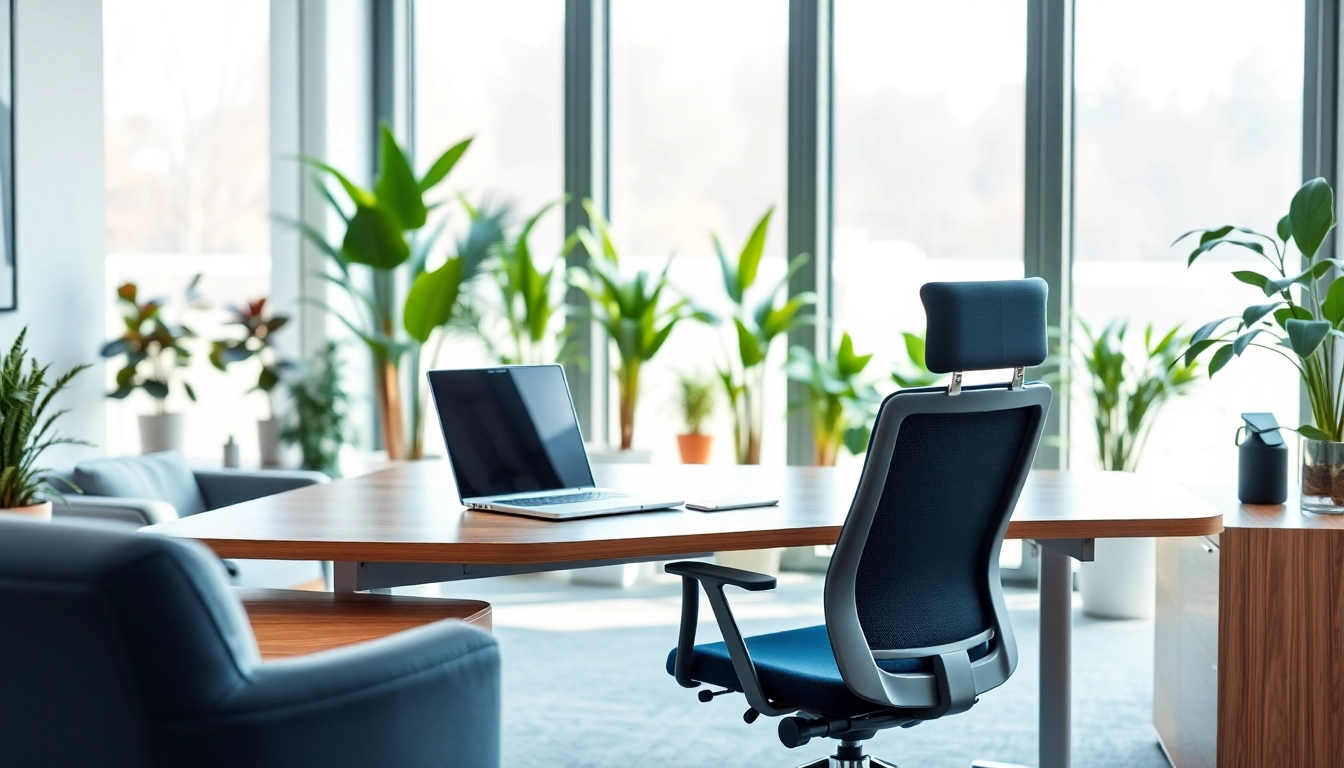
In the modern workplace, the design and quality of office furniture are pivotal to enhancing productivity and promoting employee well-being. As businesses continue to evolve, adapting to new workflows and environments, the significance of ergonomically designed office furniture has gained prominence. This article delves deep into the various aspects of office furniture, focusing on ergonomics, types and functions, space optimization, sustainability, and the profound impact on employee mental health and productivity.
Understanding the Importance of Ergonomics in Office Furniture
The Science Behind Ergonomics
Ergonomics is the study of how people interact with their surroundings, particularly in relation to their physical workspace. The essence of ergonomic design lies in understanding human abilities and limitations to create furniture that optimizes comfort and efficiency. Scientific research suggests that poor ergonomics can result in musculoskeletal disorders, fatigue, and decreased productivity. By contrast, well-designed ergonomic furniture can reduce strain on the body, allowing employees to perform their tasks more effectively.
Benefits of Ergonomic Office Furniture
Investing in ergonomic office furniture comes with a multitude of benefits. Research indicates that organizations that prioritize ergonomics can witness:
- Enhanced Productivity: Employees are more focused and engaged when they are comfortable, ultimately leading to improved output.
- Reduced Absenteeism: Ergonomically designed furniture can lead to fewer health-related absences, as discomfort and pain are minimized.
- Employee Retention: Investing in employee comfort signals that a company values its workforce, promoting loyalty and reducing turnover rates.
- Improved Employee Morale: A comfortable workspace can cultivate a positive work culture, leading to higher job satisfaction.
Common Misconceptions About Office Furniture Ergonomics
There are several misconceptions surrounding ergonomic office furniture that may hinder its adoption in workplaces:
- Myth 1: Ergonomic furniture is only for those with existing pain or conditions. Truth: Ergonomics is preventive; everyone can benefit regardless of their current physical state.
- Myth 2: Ergonomic furniture is overly expensive. Truth: While some high-end products can be costly, there are budget-friendly options that still provide substantial ergonomic benefits.
- Myth 3: Ergonomics is solely about chairs. Truth: Ergonomics encompasses all aspects of the workspace, including desks, lighting, and accessories.
Types of Office Furniture to Enhance Productivity
Desks: Varieties and Functions
Desks are the cornerstone of any workspace. Understanding the various types can help organizations select the most suitable options:
- Height-Adjustable Desks: These offer flexibility, allowing users to alternate between sitting and standing, which can boost energy levels and reduce discomfort.
- L-Shaped and U-Shaped Desks: Perfect for collaborative environments, these desks provide ample space for multiple uses, including paperwork, meetings, and computer work.
- Executive Desks: Often used in managerial roles, these desks convey authority while providing necessary workspace and often incorporate storage solutions.
- Compact Desks: Suitable for home offices or smaller spaces, these desks optimize functionality while maintaining a minimal footprint.
Chairs: Finding the Right Support
Choosing the right office chair is critical for maintaining comfort and health. Key features to consider include:
- Adjustability: A chair should allow users to modify height, armrest position, and back support to fit personal preferences.
- Material: Breathable fabrics and comfortable cushioning are essential for long hours of seating.
- Mobility: Swivel and rolling capabilities allow for easy movement and access to various areas within the workspace.
- Lumbar Support: Proper lower back support is crucial for maintaining healthy posture and preventing strain.
Storage Solutions: Keeping Your Space Organized
Effective organization contributes significantly to overall productivity. Implementing various storage solutions can help:
- Filing Cabinets: Essential for keeping documents organized and accessible while minimizing clutter.
- Shelves: Open or closed shelving units can optimize vertical space, providing storage without consuming valuable floor space.
- Desk Organizers: These small, often overlooked items can greatly enhance desk efficiency by keeping frequently used items within reach.
- Mobile Carts: Ideal for multifunctional spaces, these provide additional storage and can be moved as needed.
Creating a Comfortable and Functional Workspace
Layout Considerations for Office Furniture
The layout of office furniture can significantly influence workflow and collaboration. Consider the following principles:
- Open Plans: These promote communication but should balance privacy needs, particularly for tasks requiring concentration.
- Defined Zones: Creating areas for collaboration, focus, and relaxation can enhance the overall functionality of the workspace.
- Accessibility: Ensure that furniture arrangements allow easy movement and access to resources.
- Natural Light: Positioning desks where natural light is plentiful can improve mood and productivity.
Incorporating Personal Touches
Allowing employees to personalize their workspace helps to foster a sense of ownership and creativity. Implementing flexible design elements such as:
- Customizable Desk Accessories: Providing options for organizers, plants, and personal items can help individuals feel more connected to their environment.
- Art and Décor: Encouraging the display of personal art or photos can enhance emotional comfort and make the space feel welcoming.
- Color Schemes: Incorporating employees' preferred colors or themes can create a more engaging atmosphere.
Balancing Space and Equipment Needs
A well-functioning office harmonizes space with equipment requirements. Implementing strategies such as:
- Assessing Needs: Evaluate the specific tasks employees perform and choose furniture that caters to those activities.
- Space Planning: Use design software or consultation services to visualize and optimize furniture placement in the available area.
- Flexible Furniture: Invest in modular pieces that can adapt to various layouts and uses as team dynamics change.
Choosing Sustainable Office Furniture Options
Materials That Matter
Your choice of materials for office furniture has a lasting impact on the environment. Some sustainable materials include:
- Bamboo: Fast-growing and renewable, bamboo can be used for desks, chairs, and storage.
- Recycled Materials: Furniture made from recycled plastics or wood helps reduce landfill waste and resource consumption.
- Low-VOC Finishes: Opting for finishes that emit fewer volatile organic compounds contributes to better indoor air quality.
Eco-Friendly Manufacturing Practices
Consider manufacturers who prioritize sustainable practices, which include:
- Energy Efficiency: Factories that utilize renewable energy sources and efficient machinery contribute to reduced carbon footprints.
- Ethical Labor Practices: Supporting companies that ensure fair labor conditions is a crucial aspect of sustainability.
- Minimal Packaging: Eco-conscious brands often use sustainable packaging and shipping methods to reduce their environmental impact.
Long-term Benefits of Sustainable Choices
Choosing sustainable office furniture creates value beyond immediate cost savings:
- Longer Lifespans: Quality furniture made from durable materials prolongs usability, reducing the frequency of replacements.
- Brand Image: Companies that commit to sustainability can enhance their brand reputation, appealing to eco-conscious consumers and talent alike.
- Compliance and Incentives: Many regions offer financial incentives for sustainable practices, which can offset initial costs.
How Office Furniture Impacts Employee Well-Being
The Link Between Furniture and Workplace Mental Health
The right furniture can significantly affect mental health. Studies indicate that:
- Comfortable Seating: Reduces physical discomfort, allowing employees to focus on their tasks rather than their pain or fatigue.
- Organized Spaces: Clutter-free environments enhance clarity and focus, positively influencing creativity and decision-making abilities.
- Flexible Layouts: Spaces that encourage collaboration while providing areas for solitude cater to varying work styles, reducing stress related to ineffective environments.
Strategies for Improving Morale with Office Furniture Choices
Enhancing morale can lead to better performance. Consider the following strategies:
- Employee Involvement: Involve employees in the selection process of office furniture to foster a sense of ownership and agency.
- Continuous Assessment: Conduct regular evaluations of workspace effectiveness and make necessary adjustments based on employee feedback.
- Social Spaces: Integrate comfortable lounge areas or breakout zones where employees can relax and socialize, promoting team bonding.
Measuring the Return on Investment for Quality Office Furniture
Investing in quality office furniture can yield significant returns. Tracking metrics such as:
- Employee Productivity: Measure changes in output or work quality before and after implementing new furniture solutions.
- Reduced Health Care Costs: Monitor health-related expenses that may decrease with ergonomic improvements.
- Employee Satisfaction Surveys: Regular feedback can help gauge employee perceptions and experiences regarding workspace comfort.
In conclusion, the thoughtful selection and arrangement of office furniture can transform the workplace into a more productive, health-conscious, and enjoyable environment. Embracing ergonomic, functional, and sustainable furniture options not only supports employee well-being but also contributes positively to the organization's bottom line. As businesses navigate an ever-evolving landscape, investing in quality office furniture will continue to be a priority that yields significant benefits.