Introduction to EV Charger Installation Cost
As electric vehicles (EVs) continue to grow in popularity, understanding the costs associated with EV charger installation is crucial for homeowners considering this investment. Not only does a reliable charger enhance the convenience of owning an EV, but it also has implications for energy efficiency and long-term savings. In this article, we will delve into the complexities of EV charger installation costs, from initial considerations to ongoing expenses, providing you with a comprehensive guide to help you make informed decisions. For those exploring options, EV charger installation cost is a central topic worth examining closely.
What is EV Charger Installation?
EV charger installation refers to the process of setting up a device that supplies electrical energy to recharge electric vehicles. This process involves not only the physical mounting of the charger but also the essential electrical work necessary for safe operation. Whether it’s a Level 1 or Level 2 charger, professional installation by certified electricians ensures compliance with local codes and safety standards, mitigating risks associated with improper electrical installations.
Importance of Understanding Costs
A clear grasp of EV charger installation costs helps homeowners budget effectively and avoid unexpected expenses. Understanding what factors influence these costs can empower you to make better choices, whether navigating price variations among different charger types or comprehending the nuances of labor costs. With the increasing demand for EVs, being well-informed about installation costs can lead to significant savings.
Factors Influencing Installation Costs
Several key factors influence the overall cost of installing an EV charger:
- Charger Type: Level 1 chargers are generally less expensive than Level 2 units, which require more complex installation.
- Electrical System Upgrades: Homes may need electrical panel upgrades or additional wiring, which can increase costs.
- Labor Costs: Rates can vary significantly based on the electrician's experience and local market conditions.
- Permitting and Inspections: Local regulations may require permits and inspections, adding to the overall cost.
Breakdown of EV Charger Installation Costs
Typical Cost Ranges for Home Installations
On average, homeowners can expect to pay anywhere from $800 to $3,000 for EV charger installation. This range encompasses different charger types and labor costs associated with installation. A basic Level 2 charger typically starts around $1,000, while more advanced systems with installation may reach up to $3,500 or more, particularly if significant electrical upgrades are necessary.
Comparing Single-Phase vs. Three-Phase Systems
Choosing between single-phase and three-phase systems can impact both installation costs and charging efficiency:
- Single-Phase: Generally adequate for most home and daily driving needs, single-phase systems offer slower charging speeds but at a lower installation cost.
- Three-Phase: While more expensive to install, three-phase systems provide faster charging capabilities—ideal for EV enthusiasts or larger households with multiple electric vehicles.
Additional Costs and Hidden Fees
Homeowners should be wary of additional costs that may arise during the installation process. Common hidden fees include:
- Upgrade costs for circuit breakers or wiring
- Costs associated with trenching if underground cabling is necessary
- Fees for permits and inspections
Getting a detailed estimate upfront can help reveal potential hidden costs, allowing for better budget management.
Step-by-Step Guide to EV Charger Installation
Initial Consultation and Quotation Process
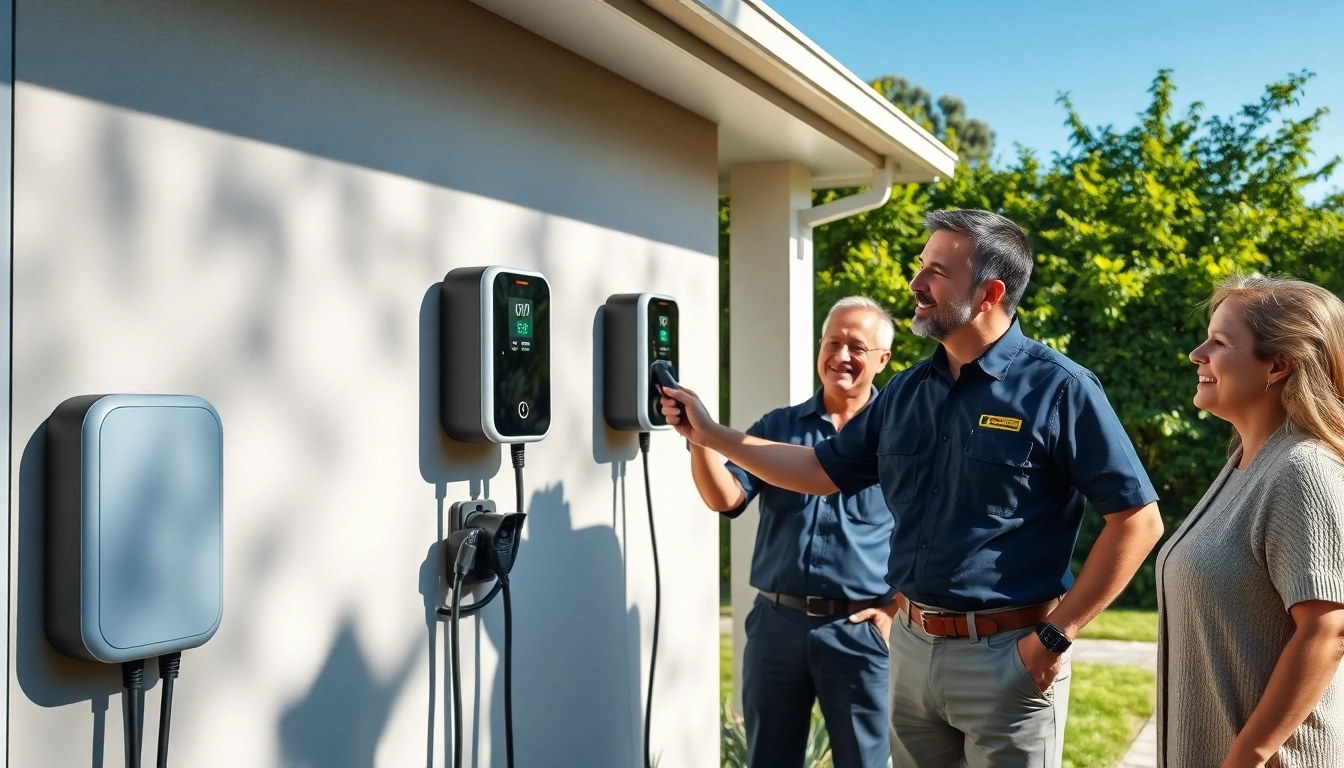
The journey towards installing an EV charger begins with an initial consultation, where a certified electrician assesses your home’s current electrical setup. During this visit, the electrician will examine the switchboard, evaluate the type of charger suitable for your EV, and provide a detailed quotation tailored to your specific needs.
Pre-Installation Preparations and Requirements
Before installation day, homeowners should prepare by ensuring access to the installation site and clearing any obstacles. Additionally, it may be necessary to provide documentation or information about existing electrical configurations, which can streamline the installation process.
Day of Installation: What to Expect
On the installation day, expect the electrician to arrive with all necessary tools and equipment. The process typically takes between 2-4 hours, depending on the complexity of the job. After installation, the electrician will conduct thorough testing to ensure the charger operates safely and efficiently before issuing a Certificate of Electrical Safety.
Frequently Asked Questions About EV Charger Installation Cost
Can I Install My Own EV Charger?
While it is possible to install an EV charger yourself, it is strongly recommended to hire a licensed electrician. Professional installation ensures compliance with safety standards and local regulations, which can prevent potential issues down the line.
Are There Any Incentives or Rebates Available?
Many regions offer incentives and rebates for installing EV chargers, which can significantly reduce overall costs. Homeowners should explore local and federal programs that provide financial assistance, making the transition to electric vehicles more affordable.
How to Choose the Right Charger for Your Needs?
When selecting an EV charger, consider factors such as your vehicle's charging requirements, the electrical capacity of your home, and your driving habits. Consulting with professionals can help identify the most suitable charger type and features for your individual requirements.
Future Trends in EV Charger Installation and Costs
Innovations in Charging Technology for 2025
As the EV market evolves, so do the technologies surrounding charger installations. Expect advancements such as smart charging systems that optimize energy usage based on time-of-use rates, enabling users to save on electricity costs. Faster charging solutions and increased compatibility with renewable energy sources are also on the horizon.
Impact of Government Policies on Installation Costs
Government initiatives aimed at promoting electric vehicle adoption are likely to influence installation costs in the coming years. Policies that subsidize installation costs or streamline permitting processes will make it easier and less expensive for homeowners to install EV chargers.
Preparing Your Home for Future EV Charging Needs
As the number of EVs on the road continues to grow, it is wise for homeowners to prepare their electrical systems for future charging needs. Investing in infrastructure upgrades today can provide the flexibility required for additional chargers or faster charging capabilities as technology evolves.