What is Ore?
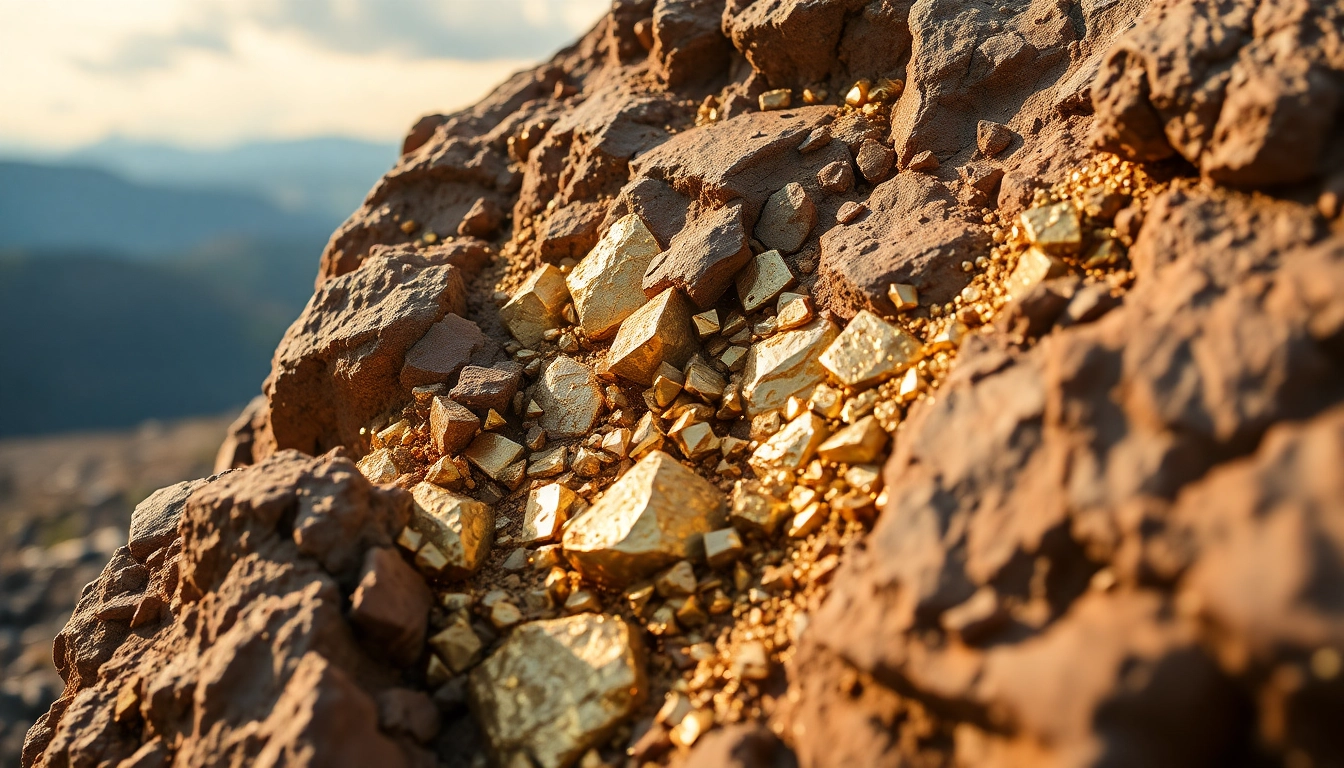
Ore refers to a naturally occurring rock or sediment that contains one or more valuable minerals, typically metals, that are concentrated above the levels found in the surrounding environment. This definition underscores the significance of Ore in various industrial applications, making it a cornerstone of modern economies.
Definition and Characteristics of Ore
Ore is defined as a type of rock that contains sufficient minerals with important elements including metals, such as iron, copper, or gold, that can be economically extracted. The essential characteristics of ore include:
- Mineral Content: Ore typically contains metal-bearing minerals that are separated during the extraction process.
- Concentration Levels: The value of ore is largely dependent on the concentration of the desired minerals, which may be significantly higher than found in other rocks.
- Physical Properties: Many ores exhibit unique physical attributes such as color and density, aiding in their identification.
Importance of Ore in Industry
The economic and industrial significance of ore cannot be overstated. It plays a vital role in various sectors:
- Metallurgical Industry: Ores are the primary sources for metals used in construction, automotive, and electronics.
- Manufacturing: The production of everyday goods, machinery, and equipment is highly dependent on metals derived from ore.
- Energy Sector: Ores contribute to energy production, with metals like copper being essential for electrical applications.
Common Types of Ore
There are numerous types of ore, classified mainly into metallic and non-metallic categories:
- Metallic Ores: These include iron ore, copper ore, and lead ore, which are rich in metals and can be directly processed for extraction.
- Non-Metallic Ores: Examples include bauxite (aluminum ore) and phosphates, which are often used for fertilizers and construction materials.
Types of Ore
Metallic Ores
Metallic ores are those that contain metals in significant quantities. They can be subdivided into several categories:
- Oxide Ores: Comprised mainly of metal oxides, such as hematite (iron oxide) and bauxite (aluminum oxide).
- Sulfide Ores: These are composed primarily of metal sulfides, such as chalcopyrite (copper iron sulfide) and galena (lead sulfide).
- Carbonate Ores: Characterized by the presence of carbonate minerals, such as smithsonite (zinc carbonate) and siderite (iron carbonate).
Non-metallic Ores
Non-metallic ores do not contain metals and are generally used for industrial and commercial purposes:
- Phosphate Ores: Used primarily in agriculture for fertilizer production.
- Salts and Sulfates: Essential in chemical manufacturing, including sodium sulfate and potassium chloride.
- Industrial Minerals: Such as barite and talc, which have diverse applications across industries.
Applications of Various Ores
The applications of ore varieties extend beyond mere extraction. Each type has specialized uses:
- Iron Ore: Primarily used in steelmaking, vital for construction and automotive industries.
- Copper Ore: Essential in electrical wiring and plumbing, due to its excellent conductive properties.
- Bauxite: The main source of aluminum, utilized extensively in packaging, transportation, and building.
Mining Processes for Ore
Extraction Methods
The extraction of ore involves several methodologies, which can vary based on the type of ore and location:
- Open-Pit Mining: This surface mining technique is employed for extracting ore deposits located near the surface.
- Underground Mining: Used for deeper ore deposits, requiring access via mine shafts or tunnels.
- Placer Mining: This method is used for extracting metals from alluvial deposits, often found in riverbeds.
Processing and Refining Techniques
Once the ore is extracted, it undergoes various processing and refining techniques:
- Crushing and Grinding: The ore is crushed into smaller pieces and ground to facilitate further processing.
- Flotation: A separation process using chemicals that improves recovery of target minerals.
- Smelting: This process involves heating ore to extract metals through chemical reactions.
Sustainability in Mining Practices
As environmental concerns rise, sustainable mining practices have become crucial:
- Recycling: Utilizing recycled materials reduces the demand for new ore extraction.
- Waste Management: Effective waste management systems minimize the environmental impact of mining operations.
- Restoration: Post-mining land restoration helps mitigate habitat loss and supports biodiversity.
Economic Impact of Ore
Price Trends and Market Demand
The global demand for ore and its price trends are influenced by various factors, including:
- Market Fluctuations: Prices vary according to supply and demand dynamics in the global market.
- Economic Growth: Increased industrial activity in emerging economies leads to higher demand for raw materials.
- Technological Innovations: Advances in mining and processing technologies can affect production costs and prices.
Jobs and Economy in Mining Regions
Mining generates significant economic benefits in regions rich in ore deposits:
- Employment Opportunities: Mining creates numerous jobs, contributing to local economies and community development.
- Infrastructure Development: The establishment of mining operations often leads to improved infrastructure.
- Investment Growth: Increased ore demand promotes investment activity in mining regions, energizing local markets.
Future of Ore Mining and Resources
The future of ore mining might include:
- Technological Advancements: Enhanced extraction and processing technologies may improve efficiency and sustainability.
- Resource Management: With growing environmental awareness, there will be a shift towards responsible resource management.
- Alternative Materials: Research into alternative materials may reduce dependence on certain ore types, impacting long-term demand.
FAQs About Ore
What are the most common types of ore?
Metallic ores like iron and copper, and non-metallic ores such as bauxite are among the most prevalent types.
How is ore processed?
Ore is processed through crushing, grinding, and chemical extraction methods to separate valuable metals from the rock.
Why is ore important?
Ore is vital for producing metals used in construction, technology, and manufacturing essential products for society.
Where are the largest ore deposits located?
Major ore deposits are typically found in regions with rich geological formations, including places like Australia, Canada, and Brazil.
How does mining affect the environment?
Mining can result in habitat destruction and pollution; however, sustainable practices can mitigate these negative environmental impacts.