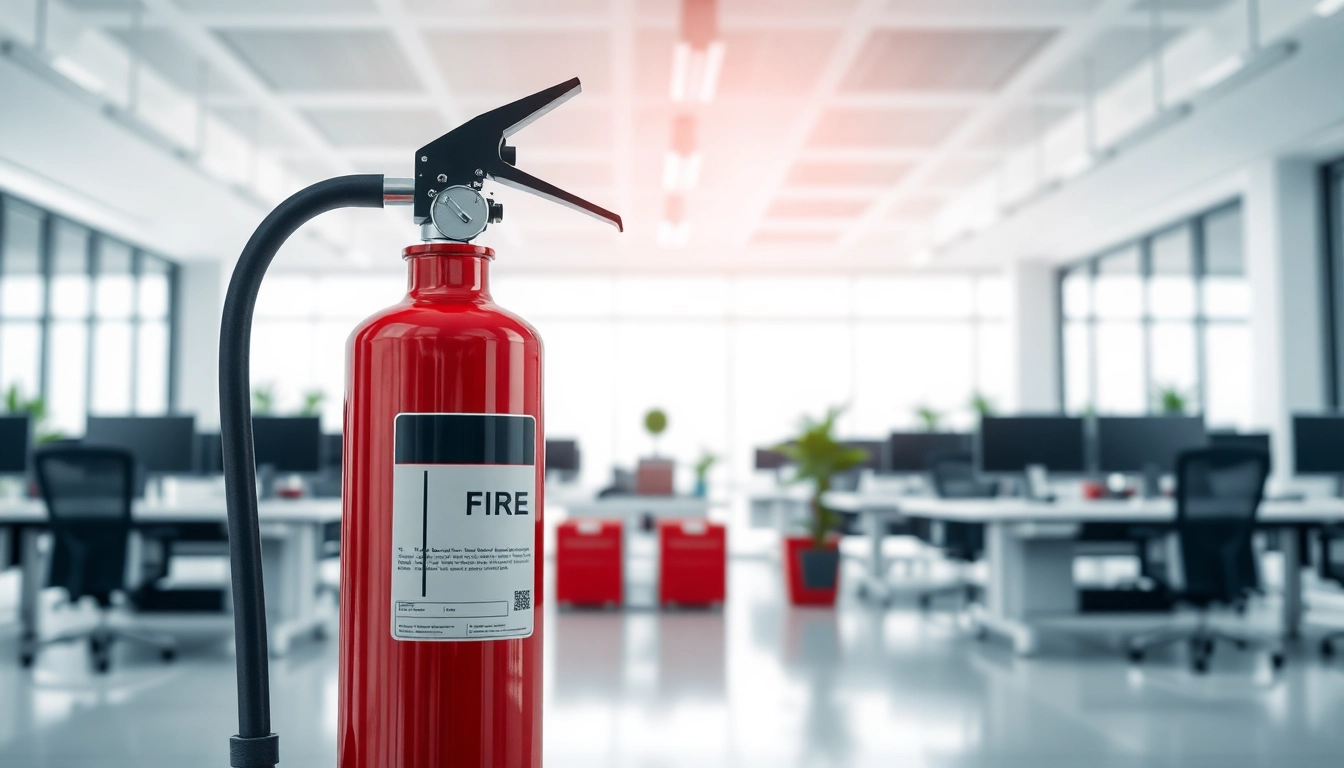
Understanding Electrical Fire Extinguishers
In our technologically driven world, the risk of electrical fires is a growing concern for many organizations. An effective way to combat these hazards is through the use of an electrical fire extinguisher. This type of extinguisher is specifically designed to handle fires ignited by electrical equipment, which can be tricky to manage with conventional fire extinguishers. Understanding the nuances of this essential safety equipment is crucial for anyone responsible for workplace safety.
What is an Electrical Fire Extinguisher?
Electrical fire extinguishers are specialized tools designed to extinguish fires that involve electrical equipment or appliances. Unlike traditional fire extinguishers that may use water or foam, these extinguishers typically contain non-conductive agents. This unique feature not only helps to suppress the flames but also ensures the safety of the user by preventing electrical shock.
Types of Electrical Fire Extinguishers and Their Uses
Electrical fire extinguishers are primarily classified into two categories: Class C and Class K extinguishers. Class C extinguishers are filled with dry chemical agents, which effectively interrupt the combustion process in electrical fires, while Class K extinguishers utilize a wet chemical agent, ideal for kitchen environments where cooking oils and fats may ignite along with electrical sources.
Another notable type is the CO2 (carbon dioxide) fire extinguisher. These extinguishers are suitable for electrical fires because they displace oxygen without leaving residue that could further damage electrical equipment.
Why Electrical Fire Extinguishers are Essential for Safety
Electrical fires can escalate quickly, causing significant damage to property and risking lives. An electrical fire extinguisher plays a crucial role in immediate response strategies, often being the first line of defense. The presence of appropriate extinguishers not only enhances safety but also influences regulatory compliance in workplaces and larger organizations.
Moreover, having the correct type of extinguisher can help save on repair costs and minimize downtime resulting from fire-related incidents.
Choosing the Right Electrical Fire Extinguisher
Factors to Consider When Selecting an Extinguisher
Selecting the right electrical fire extinguisher requires careful consideration of several factors. First and foremost, assess the hazards present in the environment. Class C extinguishers should be readily available wherever electrical equipment exists, such as server rooms or manufacturing units. Additionally, the potential for other fire types (Class A, B) might necessitate multi-class extinguishers.
Another crucial factor is the extinguisher's size and weight, which affects usability and storage. Make sure you choose a portable model that can be easily operated by employees in an emergency.
Common Mistakes in Choosing Electrical Fire Extinguishers
One common mistake is selecting an extinguisher based solely on marketing claims rather than actual suitability for the specific type of electrical fires anticipated. Additionally, many people overlook the importance of proper placement and accessibility, which can severely limit the effectiveness of the extinguisher during a crisis.
Recommendations for Different Environments
Specific environments dictate different best practices when it comes to electrical fire extinguishers. For instance, in commercial kitchens, utilizing Class K extinguishers alongside Class C may be advisable. In office settings, CO2 extinguishers can effectively handle electrical fires without damaging sensitive electronic equipment. Ensuring that your setup aligns with operational norms not only ensures safety but promotes compliance with fire codes.
Proper Maintenance of Electrical Fire Extinguishers
Routine Checks and Inspections
Routine maintenance is vital for ensuring that your electrical fire extinguishers perform effectively. This includes monthly visual inspections and annual professional checks, which are critical in identifying potential issues, ensuring pressurization, and verifying that the extinguishing agent is functional.
Signs That Your Extinguisher Needs Replacement
Signs that an electrical fire extinguisher needs to be replaced can vary, but some common indicators include corrosion, a damaged nozzle, a decrease in pressure gauge readings, or an expired inspection tag. Ignoring these signs can lead to ineffective firefighting efforts in an emergency.
Best Practices for Extinguisher Care
Storing electrical fire extinguishers in accessible locations and away from potential hazards can significantly extend their usability. Additionally, providing training sessions for employees on proper extinguisher use contributes to overall workplace safety and preparedness.
Understanding Fire Safety Regulations
Legal Requirements for Electrical Fire Extinguishers
Compliance with local fire safety regulations is not just a best practice, it’s a legal requirement in many jurisdictions. Regulations often outline the type, placement, and maintenance frequency of fire extinguishers in commercial buildings. Understanding these requirements is crucial for avoiding significant fines and legal repercussions.
Impact of Non-Compliance on Business Operations
The ramifications of non-compliance can be severe, ranging from increased insurance premiums to higher liability in the event of a fire incident. Additionally, non-compliance can damage a company’s reputation and diminish trust among clients and employees.
Resources for Regulatory Guidance
Resources such as the National Fire Protection Association (NFPA) and local fire departments provide guidelines and information that can help organizations understand the specific requirements pertinent to their industry and geographic area. Business owners should also consult legal counsel to ensure adherence to all regulations.
Training and Emergency Protocols
Importance of Conducting Fire Drills
Conducting regular fire drills plays a critical role in preparedness. These drills familiarize employees with evacuation protocols and ensure they know the locations of the nearest electrical fire extinguishers. Often, real-life scenarios are chaotic; drills help mitigate confusion and streamline response.
How to Train Employees on Using Electrical Fire Extinguishers
Training on using electrical fire extinguishers should be comprehensive but straightforward. Hands-on training sessions—demonstrating how to operate extinguishers, conducting simulations—enhance comfort levels in actual emergencies. This training should also cover when not to fight a fire and the importance of dialing emergency services.
Developing an Effective Emergency Response Plan
An effective emergency response plan clearly outlines the roles and responsibilities of employees during a fire incident, specifies emergency contact numbers, and includes detailed evacuation routes. This plan should be regularly reviewed and practiced to ensure its effectiveness in real situations.
Frequently Asked Questions
What type of fire extinguisher is best for electrical fires?
The best option is a Class C fire extinguisher, often filled with dry chemical agents or CO2, which are specifically designed for electrical fires.
How can I tell if my fire extinguisher is still functional?
Check for visible signs of wear such as corrosion, a low pressure gauge reading, and an intact safety seal. Regular professional inspections are also recommended.
Are electrical fire extinguishers suitable for home use?
Yes, having an electrical fire extinguisher at home, especially in areas with significant electrical appliances, is a wise safety measure.
How often should fire extinguishers be inspected?
Fire extinguishers should be inspected monthly, and a professional service should be conducted at least once a year to ensure compliance and functionality.
What should I do if my fire extinguisher is used?
Once an extinguisher is used, even partially, it should be recharged or replaced immediately to ensure it is fully operational for future emergencies.