
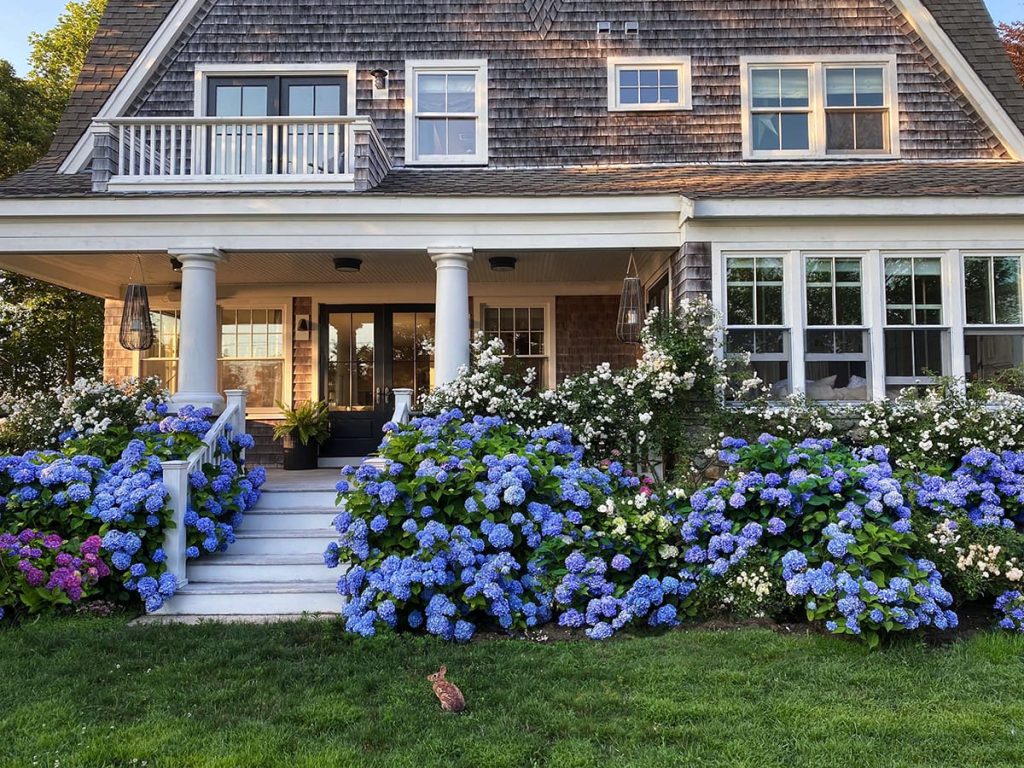
A well-designed Cape Cod Home may look modest from the outside, but its potential lies in how smartly the interior space is used. Originally built for efficiency, the Cape cod home often feels tight by today’s standards. With thoughtful planning, however, these classic houses can gain space and functionality without losing the charm that makes them so beloved.
- Why Layout Matters in a Cape Cod Home
- Rethinking the First Floor Layout
- Using the Second Floor More Efficiently
- Kitchen and Dining Layout Improvements
- Flexible Rooms for Changing Lifestyles
- Basement and Attic Opportunities
- When to Expand the Footprint
- The Value of Professional Planning
- Conclusion: Creating a Smarter Cape Cod Home Layout
Why Layout Matters in a Cape Cod Home
The traditional Cape Cod Home was designed around simplicity: compact rooms, central circulation, and limited square footage. While this made sense historically, modern families often need open living areas, flexible rooms, and better connections between spaces. Improving the layout is often more impactful than simply adding square footage.
Rethinking the First Floor Layout
Many homeowners find the first floor of a Cape Cod Home feels chopped up. Improving flow here can transform daily life without changing the exterior footprint.
Opening Sightlines Without Losing Structure
Rather than fully open-concept plans, partial openings allow a Cape Cod Home to feel larger while preserving cozy room definitions. Wider doorways, interior windows, and aligned openings create visual flow while maintaining architectural integrity.
Using the Second Floor More Efficiently
The upper level of a Cape Cod Home often holds untapped potential. Sloped ceilings and awkward corners can be redesigned to support modern living needs.
Smart Dormer Placement
Adding dormers is one of the most effective ways to increase usable space in a Cape Cod Home. When thoughtfully placed, dormers improve headroom, natural light, and ventilation while remaining true to the home’s proportions. Balanced dormer design ensures the roofline still feels classic and restrained.
Kitchen and Dining Layout Improvements
In many older layouts, the kitchen in a Cape Cod Home is isolated and undersized. Reconfiguring this space can dramatically improve functionality without increasing the home’s footprint.
Connecting the Kitchen to Daily Life
Opening the kitchen to adjacent dining or living spaces helps a Cape Cod Home support modern routines. Clear circulation paths, efficient storage, and well-planned work zones make the kitchen feel larger and more practical while respecting the home’s scale.
Flexible Rooms for Changing Lifestyles
A modern Cape Cod Home benefits from rooms that can adapt over time. Guest rooms that double as offices, or dining rooms that function as homework zones, add long-term value.
Multi-Purpose Design Strategies
Built-in storage, pocket doors, and carefully planned lighting allow a Cape Cod Home to support multiple uses without clutter. These design choices maintain simplicity while increasing day-to-day usability.
Basement and Attic Opportunities
Often overlooked, basements and attics offer valuable expansion opportunities within a Cape Cod Home. When properly insulated and planned, these spaces can become functional extensions of the main living areas.
Finishing these areas thoughtfully ensures the Cape Cod Home feels cohesive from top to bottom, rather than pieced together over time.
When to Expand the Footprint
Sometimes layout improvements alone aren’t enough. In these cases, small additions can enhance functionality without overwhelming the original structure of a Cape Cod Home.
Side and Rear Additions That Blend In
Side and rear expansions allow a Cape Cod Home to grow discreetly. Matching rooflines, window proportions, and exterior materials ensures the addition feels original to the house rather than an afterthought.
The Value of Professional Planning
Because every Cape Cod Home has unique constraints, working with an architect is essential. Professional guidance helps homeowners avoid common mistakes, such as oversized rooms or poorly placed additions, that can disrupt balance and flow.
Keri Murray Architecture approaches each Cape Cod Home with careful analysis of existing layouts, ensuring new spaces feel intentional, functional, and timeless.
Conclusion: Creating a Smarter Cape Cod Home Layout
A thoughtfully planned Cape Cod Home can offer far more space and functionality than its footprint suggests. By improving layouts, rethinking underused areas, and planning strategic expansions, homeowners can enjoy modern comfort without sacrificing character. A well-designed Cape Cod Home proves that smart layouts—not just more square footage—are the key to lasting livability and value.