
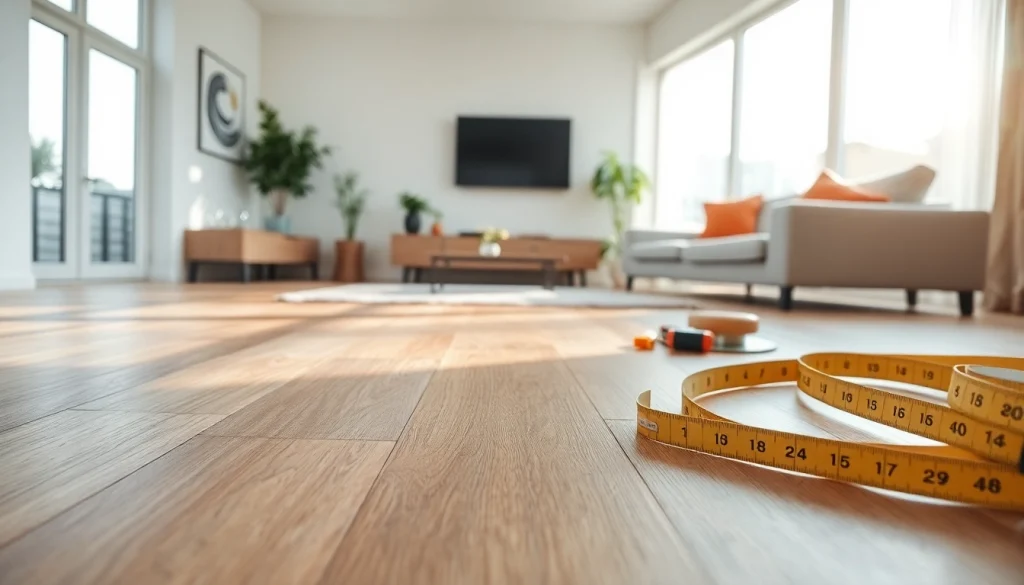
Introduction to Vinyl Flooring
Vinyl flooring has emerged as a top choice for homeowners and designers alike, thanks to its versatility, durability, and affordability. As homes evolve and personal tastes change, vinyl flooring offers a myriad of options that can suit a variety of aesthetics and functional needs. Understanding what vinyl flooring is and the wealth of benefits it provides is essential for anyone considering a flooring upgrade.
What is Vinyl Flooring?
Vinyl flooring is a synthetic flooring material made primarily from polyvinyl chloride (PVC). This durable substance is manufactured in layers, showcasing advanced technology that allows it to mimic natural materials like wood and stone. Available in various styles, colors, and textures, vinyl flooring can cater to different design preferences while maintaining functionality. It is typically available in two main categories: sheet vinyl and luxury vinyl, the latter being a more premium option with an intricate design and enhanced durability.
Benefits of Choosing Vinyl Flooring
The advantages of choosing vinyl flooring are numerous. Here are a few key benefits that contribute to its popularity:
- Durability: Vinyl flooring is designed to withstand heavy foot traffic, making it ideal for busy households.
- Water Resistance: This flooring is highly water-resistant, which allows it to thrive in moisture-prone areas like kitchens and bathrooms.
- Ease of Maintenance: Regular cleaning is simple as vinyl flooring only requires occasional sweeping and mopping.
- Affordability: Compared to traditional hardwood or stone flooring, vinyl is generally more affordable, offering a budget-friendly option for many homeowners.
- Noise Reduction: Vinyl flooring absorbs sound, making it a quieter option, which is particularly advantageous in multi-story homes.
Types of Vinyl Flooring Available
Understanding the types of vinyl flooring available can help tailor choices to your specific needs:
- Sheet Vinyl: Comes in large, continuous sheets, ideal for covering large areas with fewer seams.
- Luxury Vinyl Plank (LVP): Resembles hardwood planks and is available in various styles, offering a high-end look at a lower price.
- Luxury Vinyl Tile (LVT): Mimics ceramic or stone tiles and is suitable for areas that require a more sophisticated aesthetic.
- Vinyl Composite Tile (VCT): A budget-friendly option, often seen in commercial settings, that is durable and easy to maintain.
Choosing the Right Vinyl Flooring for Your Home
Consider Your Lifestyle Needs
When selecting vinyl flooring, it’s crucial to assess your lifestyle and the specific needs of your household. For active families with pets and children, a thicker, more durable flooring solution may be necessary to resist scratches and dents. In contrast, for a lower traffic area or a home office, a more delicate design may be suitable. Examine your day-to-day activities and choose a vinyl type that matches those needs.
How to Match Vinyl Flooring with Interior Design
The aesthetic appeal of your space can drastically change with the right choice of vinyl flooring. Select a color and design that complements your existing décor.
- Neutral Shades: These can enhance modern spaces and make them feel larger.
- Dark Tones: Ideal for adding depth and a luxurious feel to a room.
- Patterns and Textures: Are ideal for creating focal points or highlighting areas of your home.
Understanding Different Textures and Styles
Textures can significantly affect the look and feel of your vinyl flooring. From smooth finishes that provide a sleek look to embossed surfaces that add grip and dimension, understanding these options can help you pick a floor that not only fits your design vision but is practical for your lifestyle.
Installation Process of Vinyl Flooring
Preparing Your Space for Installation
A successful installation begins long before the first plank or tile is laid. Here’s how to prepare your space:
- Cleansing the Area: Clear furniture and belongings from the space, and clean the floors thoroughly to remove any dust or debris.
- Inspecting the Subfloor: Ensure that the subfloor is clean, dry, and level. Any imperfections should be addressed to prevent issues post-installation.
- Letting Vinyl Acclimate: Allow the vinyl flooring to acclimate within your home’s environment for 48-72 hours to prevent expansion issues later.
Step-by-Step Guide to Vinyl Flooring Installation
Once you’ve prepared your area, follow these systematic steps for installation:
- Cutting the Vinyl: Measure your space accurately and cut your vinyl planks or tiles to fit as needed.
- Starting Point: Begin laying your design from the center of the room or a straight edge to ensure even placement.
- Adhesive Application: If using glue-down vinyl, apply adhesive evenly as per the manufacturer’s instructions.
- Pressing and Cutting: Once pressed into place, make precise adjustments for a seamless fit.
- Finishing Touches: Install moldings and trims for a polished appearance and protect edges.
Common Installation Mistakes to Avoid
Every installation process can come with its challenges. Here are some common pitfalls:
- Inefficient Preparation: Failing to clean or prepare the subfloor can lead to premature wear and void warranties.
- Incorrect Measurements: Double-check all measurements to ensure a perfect fit, avoiding unnecessary waste.
- Ignoring Manufacturer Guidelines: Always follow the manufacturer’s instructions for best results.
Maintaining Vinyl Flooring for Longevity
Daily Cleaning Tips for Vinyl Flooring
Maintenance is key to preserving the beauty and longevity of your flooring. Adhere to these daily cleaning tips:
- Regularly sweep or vacuum to remove dirt and debris.
- Use a damp mop with a gentle cleaner to keep the surface spotless.
- Avoid harsh cleaners that can damage the finish.
How to Deal with Scratches and Dents
While vinyl flooring is tough, it can still suffer from scrapes and dents. Here’s how to address these issues:
- For Scratches: Use a specialized vinyl repair kit to fill and finish scratches.
- For Dents: Place a damp cloth over the dent and apply heat to help lift it, followed by smoothing it out with your fingers.
Seasonal Care for Vinyl Flooring
With seasonal changes, extra diligence is required in maintenance. Here are some tips for different seasons:
- Winter: Use mats at entrances to collect snow and dirt to protect your floors.
- Summer: Ensure adequate ventilation in rooms as heat can cause expansion.
FAQs about Vinyl Flooring
Can vinyl flooring be installed over existing floors?
Yes, vinyl flooring can often be installed over existing floors, provided they are level and in good condition.
How long does vinyl flooring last?
Vinyl flooring can last between 10 to 20 years, depending on quality and maintenance.
Is vinyl flooring waterproof?
Most vinyl flooring options are water-resistant or waterproof, making them suitable for kitchens and bathrooms.
Can I install vinyl flooring myself?
Yes, with the right tools and instructions, many homeowners successfully install vinyl flooring on their own.
What are the best ways to clean vinyl flooring?
Regular sweeping or vacuuming followed by mopping with a gentle cleaner is ideal for maintaining vinyl flooring.