
- Understanding License Plate Recognition Camera Technology
- Benefits of Using License Plate Recognition Cameras
- Choosing the Right License Plate Recognition Camera for Your Needs
- Common Applications of License Plate Recognition Cameras
- Future Trends in License Plate Recognition Technology
- Frequently Asked Questions
Understanding License Plate Recognition Camera Technology
What is a License Plate Recognition Camera?
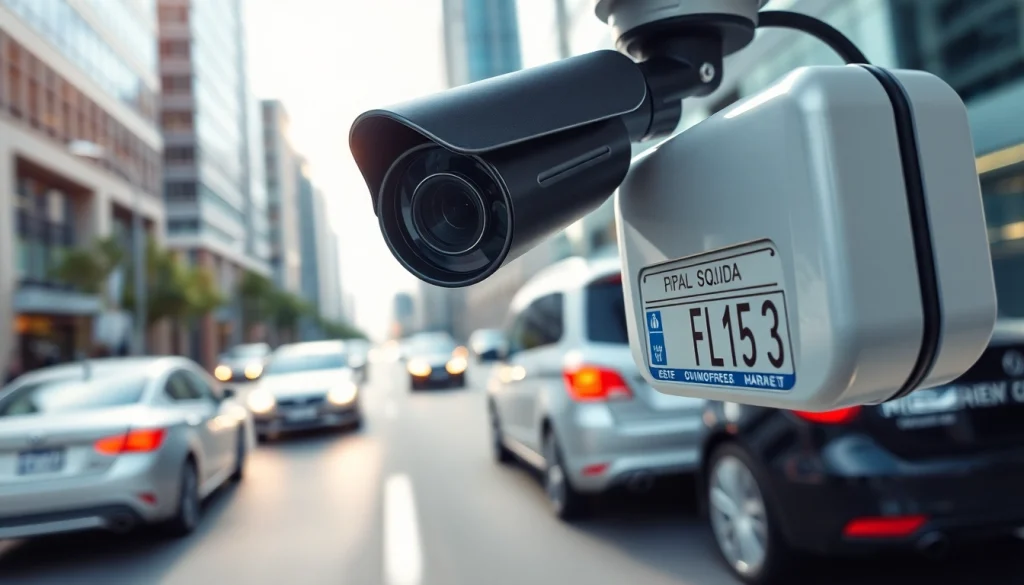
A license plate recognition camera is a specialized device designed to automatically capture and interpret license plate information from vehicles. This technology is vital across various sectors, including law enforcement, parking management, and security systems. Unlike standard cameras, LPR cameras are equipped with advanced optical character recognition (OCR) systems and machine learning capabilities that allow them to read characters on license plates, regardless of the vehicle’s speed or environmental conditions.
How Does License Plate Recognition Technology Work?
License plate recognition technology operates by using high-resolution cameras, coupled with sophisticated imaging software. The process starts as the camera captures an image of a vehicle’s license plate. The software then enhances the image, isolates the license plate using edge detection techniques, and applies OCR to decode the alphanumeric characters. This entire process typically occurs in mere seconds and can provide real-time alerts or data storage for future use.
The accuracy of such systems can be influenced by lighting conditions, weather, and camera placement. Modern systems employ artificial intelligence (AI) to continuously improve their recognition capabilities by learning from past reads and adjusting to new environments.
Key Features of Effective License Plate Recognition Cameras
- High Image Resolution: Enables clear capturing of license plates from various angles and distances.
- Night Vision Capabilities: Equipped with infrared technology to read plates in low-light conditions.
- Real-Time Processing: Provides immediate data output for use in monitoring or analytics.
- Cloud Connectivity: Allows for remote access to stored data and real-time updates.
- Durability: Designed to withstand various environmental conditions, making them suitable for outdoor use.
Benefits of Using License Plate Recognition Cameras
Improving Security and Surveillance
The integration of a license plate recognition camera into security systems significantly enhances monitoring capabilities. With the capacity to automatically record license plates of vehicles entering or exiting a location, security personnel can efficiently track suspicious activities. Additionally, the data collected can be invaluable in investigations. Law enforcement agencies often use this information to analyze patterns, which can lead to quicker resolutions in criminal cases.
Streamlining Parking and Access Control
Many organizations utilize license plate recognition cameras for automated parking management. These systems allow for effortless entry and exit processes by recognizing authorized vehicles, thereby reducing wait times and traffic congestion. Furthermore, it minimizes the need for physical tickets or manual checks, improving the efficiency of parking operations in busy environments, such as shopping centers and airports.
Boosting Law Enforcement Capabilities
Law enforcement agencies leverage LPR technology for vehicle tracking and crime prevention. By using cameras mounted on patrol cars or at strategic locations, officers can efficiently monitor high-traffic areas and receive alerts for wanted vehicles. Furthermore, this technology assists in recovering stolen vehicles and enforcing traffic laws, ultimately contributing to enhanced public safety.
Choosing the Right License Plate Recognition Camera for Your Needs
Factors to Consider Before Purchase
When selecting a license plate recognition camera, several factors must be contemplated:
- Purpose: Define the primary use, whether for law enforcement, traffic monitoring, or private property monitoring.
- Installation Environment: Consider outdoor durability, weather resistance, and lighting conditions of the installation site.
- Data Storage: Assess the needed storage capacity depending on the volume of vehicles expected to be monitored.
- Integration Capabilities: Ensure compatibility with existing surveillance systems and security protocols.
Comparative Analysis of Top Models
Many license plate recognition cameras are available, but the choice should depend on specific needs. Consider evaluations based on the following criteria:
- Image Quality: High-resolution cameras provide better clarity and more accurate recognition.
- Recognition Speed: Determine how quickly the camera can process images and provide data feedback.
- AI Features: Advanced models incorporate AI, improving detection rates over time.
- Cost: Balance budget considerations against performance and reliability.
Installation Considerations for License Plate Recognition Cameras
Proper installation is crucial in maximizing the effectiveness of a license plate recognition camera. Consider the following factors:
- Optimal Height and Angle: Position the camera at a height that captures the plates clearly while minimizing obstructions.
- Environmental Factors: Account for weather conditions, ensuring the camera is protected from elements like rain and snow.
- Connectivity: Ensure the camera is properly connected to power sources and network systems for seamless functioning.
Common Applications of License Plate Recognition Cameras
Utilization in Public Spaces and Infrastructure
License plate recognition cameras have extensive applications in public areas such as highways, toll booths, and city streets. These systems help in monitoring traffic flow, identifying illegal parking, and enhancing the overall safety of public roadways. Moreover, they are crucial in toll collection systems, ensuring automated payments without interrupting traffic.
Role in Private Security Systems
Many private residential complexes and commercial properties employ LPR technology to bolster their security systems. Cameras are often stationed at entrances and exits, providing real-time monitoring of vehicles. In case of any security breaches, recorded data serves as a useful tool for investigations.
Integration with Other Surveillance Technologies
The synergy between license plate recognition cameras and other surveillance technologies creates robust security solutions. Integration with CCTV systems, motion detectors, and alarm systems enhances monitoring capabilities. When an LPR camera detects a suspicious vehicle, it can trigger alerts across connected systems instantly, enabling swift action.
Future Trends in License Plate Recognition Technology
Advancements in AI and Machine Learning
The future of license plate recognition technology is optimistic, with AI and machine learning driving significant advancements. These technologies will enable cameras to learn from the data collected, improving accuracy and recognition rates over time. Enhanced algorithms could also facilitate the recognition of plates from various countries, adjusting to different formats seamlessly.
Emerging Uses in Smart Cities
As cities evolve into smart environments, license plate recognition cameras will play a pivotal role in urban management. They can help monitor traffic congestion, optimize public transport usage, and enforce vehicle regulations effectively. Integration with city planning efforts could lead to improved infrastructure and public safety.
Potential Challenges and Solutions for Adoption
While LPR technology offers numerous benefits, there are challenges to overcome, such as privacy concerns and potential misuse of data. Transparent policies governing data usage must be established to alleviate these concerns. Additionally, efforts should be made to educate the public about the benefits and safeguards associated with LPR systems.
Frequently Asked Questions
1. How accurate are license plate recognition cameras?
Most modern license plate recognition cameras boast over 95% accuracy, but performance can depend on environmental factors like lighting and weather.
2. Can license plate recognition cameras work at night?
Yes, LPR cameras with infrared technology are specifically designed to capture clear images in low-light conditions, making them effective at night.
3. Are there legal concerns regarding the use of LPR technology?
Yes, privacy laws vary by region. It’s essential to adhere to local regulations regarding data collection, storage, and sharing.
4. How do law enforcement agencies benefit from LPR cameras?
Law enforcement uses LPR systems for real-time monitoring, tracking stolen vehicles, and gathering evidence during criminal investigations.
5. What maintenance do LPR cameras require?
Regular cleaning and software updates are essential for maintaining the effectiveness of LPR cameras, ensuring they operate at peak performance.