
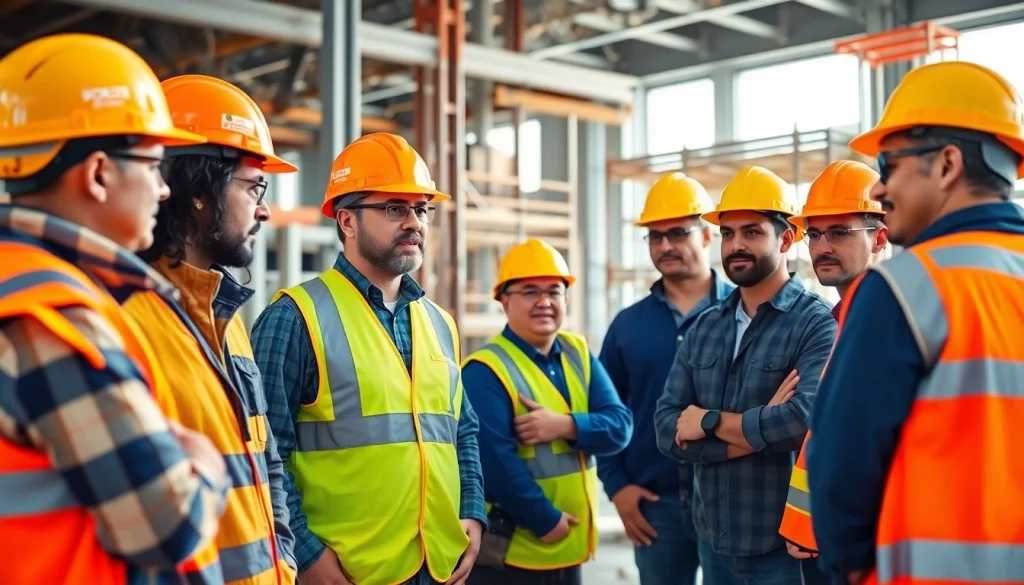
Introduction to Construction Safety Training
Construction sites are inherently hazardous environments where the risks of accidents and injuries are considerably elevated. This reality underscores the importance of construction safety training, which equips workers with the essential knowledge and skills to navigate these risks effectively. Understanding the vital components of construction safety training can considerably reduce workplace incidents, ensure compliance with regulatory standards, and foster a culture of safety within organizations.
Importance of Construction Safety Training
The primary goal of construction safety training is to prevent accidents and injuries on job sites. By educating workers on safety protocols, personal protective equipment (PPE), and emergency procedures, employers can significantly minimize the risks associated with construction work. Moreover, effective training programs contribute to a more efficient workflow, as trained employees are more likely to adhere to safety practices, resulting in increased productivity and morale.
Key Statistics in Construction Safety
Data reveals a compelling narrative about the state of safety in the construction industry. According to various studies, nearly one in five workplace fatalities occurs in the construction sector. Moreover, falls account for around 33% of these deaths, highlighting the urgent need for targeted safety training. Additionally, it is estimated that effective safety training can reduce accident rates by up to 50%, making it a critical component of any construction project.
Who Needs Construction Safety Training?
Construction safety training is essential for all individuals working on construction sites, regardless of their role. This includes laborers, equipment operators, supervisors, and site managers. Additionally, subcontractors and even visitors should be made aware of safety protocols to ensure a comprehensive approach to safety. Ultimately, the foundation of a safe construction environment begins with informed and trained employees.
Understanding Safety Regulations in Construction
With myriad regulations governing safety in construction, it is crucial for employers and employees alike to understand and comply with these standards. This section delves into the regulations that shape safety practices within the industry.
Overview of OSHA Regulations
The Occupational Safety and Health Administration (OSHA) plays a key role in establishing safety standards in the construction industry. OSHA regulations require that employers provide a safe working environment, which includes appropriate training and protective equipment. Key standards pertain to fall protection, electrical safety, scaffolding, and hazard communication, all of which are essential to safeguarding workers on construction sites.
Commonly Overlooked Safety Standards
While the major regulations are well-known, certain safety standards often go overlooked. For instance, the proper use and maintenance of personal protective equipment (PPE) such as helmets, gloves, and harnesses are frequently neglected. Additionally, excavation and trenching safety regulations are sometimes inadequately followed, leading to potential hazards that can be easily managed through proper training and vigilance.
Compliance Requirements for Companies
To comply with OSHA regulations, companies must implement effective safety programs that include training, proper documentation, and regular site inspections. Companies are also required to maintain records of workplace injuries and illnesses and report any fatalities or severe injuries to OSHA. Moreover, regular safety audits can ensure that companies are not only compliant but also fostering a safe work environment.
Effective Methods for Conducting Training
Designing and delivering effective construction safety training involves several thoughtful strategies. Understanding the best methods for conducting training can lead to increased engagement and knowledge retention among employees.
Hands-On Training Exercises
Hands-on training exercises are an excellent method for reinforcing safety training. Interactive sessions where workers can practice using equipment, conduct safety checks, or simulate emergency scenarios foster a deeper understanding of safety practices. For instance, conducting mock emergency drills can prepare employees for real-life situations while also highlighting areas that may require additional focus.
Online vs. In-Person Training
Both online and in-person training formats have their advantages. Online training offers flexibility and accessibility, allowing workers to learn at their own pace. However, in-person training can provide immediate feedback and a more interactive learning environment. A blended approach that combines both formats allows organizations to cater to diverse learning preferences while maximizing engagement.
Creating a Safety Training Schedule
Developing a robust safety training schedule is crucial for maintaining ongoing compliance and awareness. Organizations should regularly schedule refresher courses and incorporate training into onboarding processes for new employees. A consistent training schedule, including unexpected safety drills, ensures that all team members remain vigilant and prepared.
Assessing Training Effectiveness
Evaluating the effectiveness of construction safety training is vital for continuous improvement and ensuring the safety of workers. This section explores methods for assessing training outcomes.
Measuring Knowledge Retention
One of the best methods to measure knowledge retention is through assessments, such as quizzes or practical tests, that gauge the understanding of safety protocols. Encouraging discussions and presenting scenarios can also help reinforce information and clarify any misunderstandings among employees.
Feedback Mechanisms for Improvement
Encouraging feedback from workers regarding training sessions can provide valuable insights into their effectiveness. Organizations should create a safe environment where workers can voice their thoughts, concerns, or suggestions about the training provided. Regularly reviewing this feedback can help organizations identify gaps in training and enhance future sessions.
Performance Metrics for Safety Training
Key performance metrics, such as incident rates before and after training implementation, can serve as concrete indicators of training effectiveness. Comparing workplace injury statistics, conducting safety audits, and monitoring employee compliance with safety protocols are essential to evaluating not only training effectiveness but also the overall safety culture within the organization.
Frequently Asked Questions About Construction Safety Training
What are the basic components of construction safety training?
Basic components include hazard recognition, PPE use, emergency response plans, equipment safety, and communication protocols. Comprehensive training covers both theoretical knowledge and practical applications.
How often should training be updated?
Training should be updated at least annually, but more frequent updates are advised when new equipment, procedures, or regulations are introduced. Regular refreshers keep safety top of mind.
Can safety training reduce workplace accidents?
Yes, effective safety training can significantly reduce workplace accidents by enhancing awareness, improving skills, and fostering a culture of safety. Businesses often see a direct correlation between training and reduced incident rates.
What is required by law for safety training?
Legally, employers are required to provide safety training that complies with OSHA standards. This includes specific training for hazardous tasks, communication about potential risks, and appropriate supervision.
Are there certification programs for construction safety?
Yes, there are several certification programs available, including OSHA 10/30-hour training, National Safety Council safety courses, and specific certifications for various safety protocols and equipment handling.