
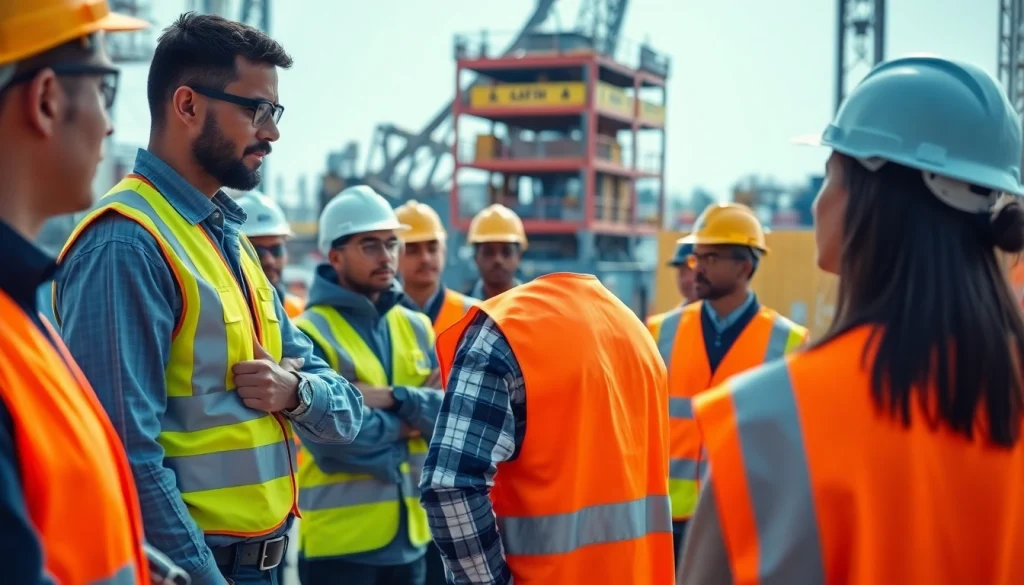
Understanding the Importance of Construction Safety Training
Construction sites are inherently hazardous environments where workers face numerous risks daily. Therefore, investing in construction safety training is not just a legal requirement but a fundamental aspect of ensuring a safer workplace. Such training minimizes accidents and injuries while fostering a culture of safety among employees. By equipping workers with essential safety skills and knowledge, organizations can significantly mitigate risks and protect their most valuable asset: their workforce.
Why Construction Safety Training Matters
Construction safety training is crucial for several reasons. It prepares workers to recognize and respond appropriately to potential hazards. Additionally, it promotes compliance with Occupational Safety and Health Administration (OSHA) regulations, which can reduce the likelihood of penalties and legal issues for employers. Ultimately, improved safety leads to higher productivity, reduced costs associated with accidents, and enhanced morale among workers.
Benefits of Effective Safety Training
Effective safety training delivers a multitude of benefits, including:
- Accident Reduction: Workers knowledgeable about safety protocols are less likely to engage in risky behaviors or overlook hazards.
- Increased Productivity: A safe work environment allows for smoother operations and less downtime due to accidents or injuries.
- Enhanced Employee Morale: When workers feel safe, they are more focused, productive, and satisfied with their jobs.
- Improved Reputation: Companies known for their commitment to safety attract more skilled labor and can foster trust with clients and stakeholders.
Common Risks Addressed in Training
Construction safety training covers various common risks, including:
- Falls: The leading cause of fatalities in the construction industry, often addressed through fall protection training.
- Electrical Hazards: Workers learn about the risks associated with electrical systems, including shock, arc flash, and electrocution.
- Slips, Trips, and Falls: Safety training teaches proper worksite organization and maintenance to prevent these incidents.
- Heavy Machinery Operation: Training on the safe use and maintenance of machinery is essential to prevent accidents and injuries.
Key Components of Successful Training Programs
Curriculum Overview for Construction Safety Training
A comprehensive training curriculum typically includes topics such as:
- Introduction to Safety Regulations
- Personal Protective Equipment (PPE)
- Hazard Communication
- Emergency Response Procedures
- First Aid and CPR
- Specific Equipment Safety
- Workplace Safety Culture
Each of these areas plays a critical role in developing a safety-conscious workforce.
Engaging Training Methods
Training delivery methods significantly impact retention and engagement. Incorporating various approaches such as:
- Hands-On Workshops: Provide practical experience and simulations of real-world scenarios.
- Interactive eLearning: Allows workers to learn at their own pace and revisit material as needed.
- Group Discussions: Foster teamwork and communication, encouraging workers to share experiences and perspectives.
- Case Studies: Analyzing past incidents reinforces the importance of safety protocols.
Certification and Compliance Standards
Participation in training that meets OSHA standards or other local regulations is crucial. Certification showcases a commitment to safety and compliance. Moreover, keeping certifications up to date ensures that workers are aware of the latest safety protocols and procedures.
Implementing a Construction Safety Training Program
Steps to Develop Your Training Program
Creating an effective construction safety training program involves the following steps:
- Assess Current Safety Practices: Identify existing protocols and regulations in place at your organization.
- Define Training Objectives: Determine what the training needs to accomplish based on identified gaps and regulatory requirements.
- Select Appropriate Training Methods: Choose the most effective training formats for your workforce.
- Develop Training Materials: Create or source content that covers all necessary topics clearly and effectively.
- Schedule Training Sessions: Allow sufficient time for training, ensuring all employees can attend.
Identifying Training Needs
Identifying specific training needs can be done through:
- Worker Surveys: Gathering feedback from employees about perceived risks and areas they feel require more training.
- Incident Reports: Reviewing past incidents can reveal knowledge gaps and high-risk areas.
- Regulatory Compliance Review: Understanding what is mandated by law versus what is recommended for best practices.
Creating a Tracking System
Implementing a tracking system for training completion and effectiveness is vital for ongoing safety improvements. Consider using software tools or spreadsheets to monitor who has completed training, when refresher courses are due, and the overall engagement and performance metrics can help highlight areas for improvement.
Measuring the Effectiveness of Construction Safety Training
Performance Metrics to Consider
To assess the effectiveness of your training program, consider tracking the following metrics:
- Incident and Accident Rates: Monitor the frequency and severity of incidents before and after training implementation.
- Training Completion Rates: Ensure all employees complete the required training on schedule.
- Employee Awareness Surveys: Conducting regular surveys to gauge how well workers understand safety protocols.
- Stakeholder Feedback: Gathering insights from supervisors, safety officers, and workers about the training’s impact.
Feedback Mechanisms for Continuous Improvement
Effective feedback mechanisms may include:
- Post-Training Evaluations: Gather immediate reactions and assessments from participants after training sessions.
- Follow-Up Meetings: Regular check-ins to discuss safety concerns and training effectiveness with staff.
- Anonymous Suggestion Boxes: Encourage workers to share their thoughts on safety and training in a non-threatening manner.
Case Studies of Successful Training Outcomes
Consider the following examples to illustrate the importance of effective training:
- A construction company implemented regular safety training sessions, resulting in a 30% reduction in workplace accidents over one year.
- After a comprehensive fall protection program was introduced, a contractor saw zero fall-related incidents for over two years, compared to the previous year’s records.
- Incorporating hands-on training resulted in more engaged workers, evidenced by improved safety audit scores of over 25% since the change.
Frequently Asked Questions about Construction Safety Training
What is construction safety training?
Construction safety training prepares workers to identify, assess, and prevent hazards on the job site, ensuring a safer environment.
How often should training be conducted?
Training should be conducted regularly, with comprehensive sessions annually for all workers and additional refreshers as needed.
Who should participate in the training?
All construction workers, supervisors, and management personnel should participate in safety training relevant to their roles.
What topics should be covered in safety training?
Safety training should cover regulations, risk assessments, equipment handling, PPE, emergency procedures, and first aid.
How can I assess the effectiveness of my training?
Evaluate effectiveness through incident reports, employee feedback, completion rates, and workplace safety observations.