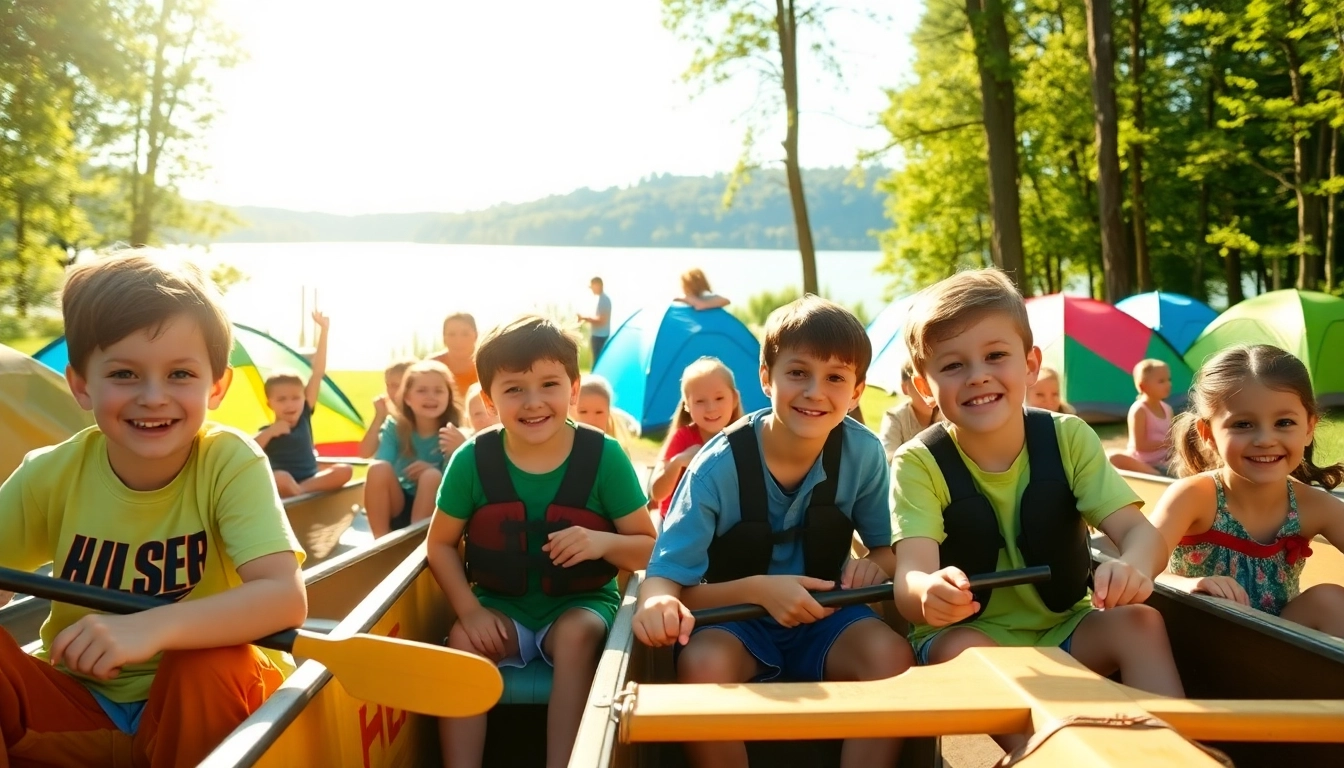
Preparing for the First Time at Overnight Camps
Sending your child off to camp can be both an exciting and daunting experience for parents and kids alike. The first time at overnight camps is a rite of passage that brings new experiences, friendships, and challenges. In this article, we will provide comprehensive insights into how to prepare for this significant milestone in your child's life.
Understanding Camp Structure and Schedule
When preparing for your child's overnight camp experience, it’s critical to understand the structure and schedule of the camp. Most camps follow a routine that includes wake-up calls, meals, structured activities, and lights out. Familiarizing your child with this structure will help them adjust to the camp environment more easily.
Many camps operate on a 5- to 7-day rotation, incorporating various activities that are designed not only for fun but also for skill-building. Activities may include swimming, arts and crafts, hiking, ropes courses, and team sports. Understanding the schedule will help parents explain what to expect, reducing anxiety for both them and their children.
Essential Items to Pack for Your Child's Camp Experience
Packing for overnight camp is an essential task that requires careful consideration. Here’s a list of essentials that should accompany your child:
- Clothing: Comfortable, weather-appropriate attire; include layers and swimwear.
- Toiletries: Toothbrush, toothpaste, soap, shampoo, sunscreen, and bug spray.
- Bedding: Sleeping bag, pillow, and possibly a small blanket for comfort.
- Personal items: Favorite stuffed animal or book to ease homesickness.
- Medications: If applicable, ensure a supply with clear instructions for camp staff.
Remember to clearly label your child's belongings with their name to minimize loss.
Setting Expectations for Parents and Campers
Setting clear expectations helps alleviate fears and anxiety that may surround the experience of going to camp. Discuss with your child what they will be doing at camp, who they will meet, and what they will learn. It's also crucial to communicate the importance of following the camp rules and participating in activities, which can enhance their enjoyment and sense of belonging.
From the parents' perspective, it's essential to have realistic expectations about communication. Many camps have restrictions regarding phone usage, so plan on communicating via letters or scheduled calls only. Encourage your child to embrace the experience fully and focus on the fun instead of worrying about home.
Emotional Preparation for First Time at Overnight Camps
Emotional readiness is just as critical as logistical preparation for a successful camp experience. Preparing your child emotionally can help ease their transition into camp life.
Discussing Homesickness with Your Child
Homesickness can be a common issue for first-time campers. Discuss this possibility with your child beforehand, reassuring them that it’s perfectly normal. Teach them coping strategies such as positive self-talk, focusing on activities, and making new friends. Consider role-playing scenarios where they can practice expressing their feelings to counselors should they feel overwhelmed.
Encouraging Independence and Confidence
Encouraging independence is essential in preparing your child for an overnight camp. Start by giving them small responsibilities at home, such as packing their bags or selecting their outfits. This practice fosters ownership and builds confidence, making them more resilient when they encounter challenges at camp.
Encourage them to engage in activities without your supervision, which will empower them during their time away. Activities like sleepovers with friends can also help them adapt to being away from home.
Identifying Your Child's Interests and Preferences
Take the time to discuss your child’s interests and preferences regarding activities at camp. Whether they enjoy sports, arts, or nature exploration, understanding their passions can guide their choices in camp activities. This insight can also foster excitement about the camp experience.
Communicating their preferences to camp staff beforehand can help in planning suitable activities, thereby increasing your child's engagement and sense of belonging.
Communication Tips for Parents Sending Kids to Camps
Effective communication is vital when sending your child to camp. Here are some key points to consider:
Best Ways to Stay Connected During Camp
Given that most camps limit phone usage, it's crucial to explore other communication channels. Encourage your child to bring pre-stamped postcards or stationery to write letters home. Sharing their experiences through writing can deepen their connection to home while allowing them to express their excitement about camp.
Additionally, some camps provide parent portals or scheduled video calls. Being proactive about checking in can help you stay connected while allowing your child to focus on camp activities.
Trusting Camp Staff and Policies
Trusting camp staff is fundamental. Research the camp's policies, counselor-to-camper ratio, and staff qualifications to gain confidence in their ability to care for your child. Many camps encourage Open House days, where parents can tour the facility and meet with staff, aiding in the development of trust before the camp session begins.
Inquire about safety protocols and communication policies to have clear expectations. Knowing these details helps both your child and you feel more secure in their absence.
Writing Encouraging Letters to Your Child
Writing letters to your child can significantly improve their comfort level while at camp. Make your letters upbeat and engaging; share news from home, positive anecdotes, or updates about family activities. This serves as reassurance for them while presenting a sense of normalcy from home. Encourage your child to write back and share their experiences, enhancing their writing skills and fostering communication.
Activities and Benefits of First Time at Overnight Camps
Understanding the types of activities available at camp can prepare you for what your child will experience. Camps are not only a recreational space but also a learning environment rich in personal growth.
Popular Summer Camp Activities and Enjoyment
Overnight camps typically offer a variety of activities, including swimming, hiking, canoeing, archery, and team sports. Engaging in different activities helps nurture diverse skills, teamwork, and sportsmanship among campers. Enjoyment is paramount, so ensure your child knows to embrace every opportunity and try new things.
Offering choices enables children to pick activities aligned with their interests, fostering a higher level of engagement and enthusiasm for camp life.
Social Skills Development through Camp Experiences
Attending overnight camp is an excellent way for children to develop social skills and make friends. Camps often encourage teamwork through group activities, which help kids learn how to collaborate and resolve conflicts in a supportive environment. Friendships formed at camp often last a lifetime, providing children with valuable social networks.
Participating in camp challenges can also build trust and cooperation, promoting emotional intelligence and resilience among campers.
How Camp Builds Lifelong Memories
Overnight camp experiences can create lasting memories that children cherish well into adulthood. The joy of shared activities, the thrill of overcoming challenges, and the bonds formed with counselors and peers contribute to this nostalgic aspect of camp. Encourage your child to take part fully, as these moments create stories to recount for a lifetime.
By focusing on collaboration, exploration, and engagement, camps help foster meaningful experiences that significantly impact a child's growth.
FAQs about First Time at Overnight Camps
What should I pack for my child's first overnight camp?
Pack essential items such as clothing for various weather, toiletries, bedding, and personal comfort items. Make sure everything is labeled with your child's name to avoid losses.
How can I help my child with homesickness?
Discuss homesickness openly, teach coping strategies, and emphasize the exciting activities. Reassure them that it's normal and part of growing up.
Can kids use phones at overnight camps?
Most overnight camps have strict no-phone policies to encourage kids to interact with each other and engage in activities without distractions.
What if my child is nervous about going to camp?
Validate their feelings, share your own camp experiences, and practice their independence at home. Help them focus on the fun aspects of camp.
How do I choose the right camp for my child?
Consider your child's interests, the camp's philosophy, location, safety protocols, and available activities. Visit the camp beforehand if possible.