
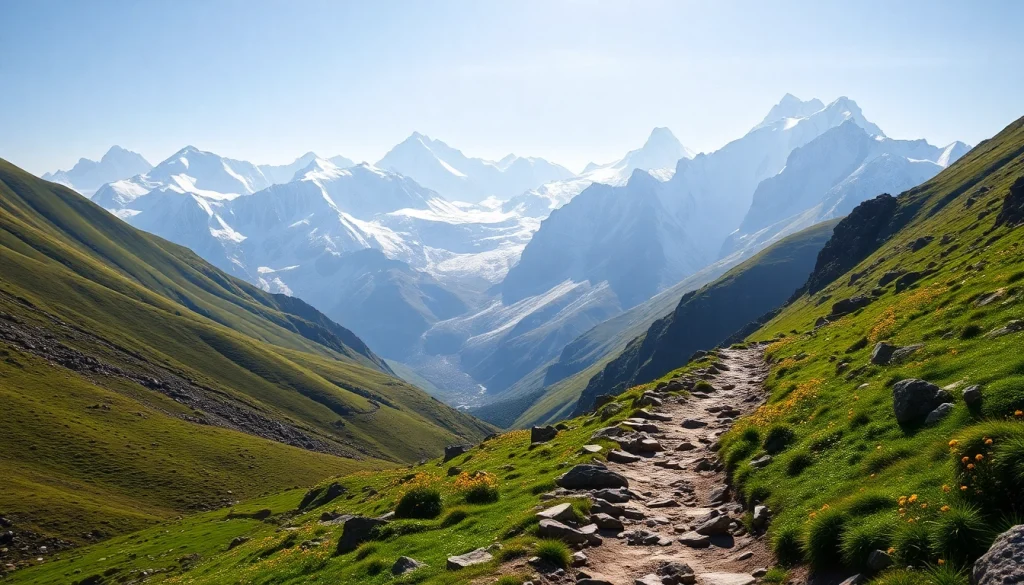
Introduction to Goechala Trek
The goechala trek is not just a trek; it’s a transformative journey that landscapes across the Himalayas. Nestled in the heart of Sikkim, this trek leads adventurers to the spectacular vista of Kanchenjunga, the third highest mountain in the world. With its beautiful geography and rich biodiversity, the Goechala trek offers both breathtaking views and a personal challenge, making it a bucket-list item for many trekking enthusiasts. In this comprehensive guide, you will learn everything you need to know about embarking on this incredible expedition.
Overview of Goechala Trek
The Goechala trek spans about 90 kilometers, typically covering it over a period of 10 to 11 days. This trek begins in the quaint village of Yuksom, known as the gateway to the Kanchenjunga National Park. From lush green forests and colorful rhododendron trees to awe-inspiring mountain vistas, trekkers can experience a stunning array of natural beauty. The trek takes you through several base camps, including Dzongri, which is a pivotal stop known for its dramatic views, particularly at sunrise and sunset.
Why Choose Goechala Trek?
There are several compelling reasons to consider the Goechala trek. Firstly, its unique positioning provides an unparalleled view of not only Kanchenjunga but also fourteen other towering peaks of the eastern Himalayas. Secondly, the diverse natural vegetation around the trail, including the endemic flora and fauna, enriches the trekking experience. Additionally, it offers a chance to connect with local communities, understanding their culture and traditions, which adds a meaningful layer to the adventure.
Best Time to Visit Goechala Trek
The optimal time to undertake the Goechala trek is during the spring (March to May) and autumn (September to November) months. During these periods, you can expect clear skies, which provide stunning views of the surrounding peaks. Spring brings blooming rhododendrons, while autumn showcases a palette of golden and red foliage. Trekking during these times not only ensures better weather conditions but also facilitates a more comfortable experience with warmer temperatures.
Planning Your Goechala Trek
Essential Gear for Goechala Trek
Preparation is key to a successful trekking experience. Essential gear includes:
- Footwear: A sturdy pair of high-ankle trekking boots is crucial for ankle support.
- Clothing: Layered clothes made from moisture-wicking fabric are ideal. Include thermal layers for cold evenings.
- Backpack: A well-fitted backpack with a capacity of around 50-65 liters should suffice for a multi-day trek.
- Sleeping Gear: A good quality sleeping bag and mat suitable for cold temperatures will ensure restful nights.
- First Aid Kit: Make sure you’re equipped with a basic first aid kit for emergencies.
- Water Purification: Water filters or purification tablets to ensure safe drinking water.
Physical Preparation for Goechala Trek
To conquer the Goechala trek, physical fitness is non-negotiable. Prepare through a combination of cardio exercises such as running, cycling, and swimming, along with strength training to build endurance. Long-distance walking on hilly terrain in the lead-up to your trek will greatly benefit stamina and acclimatization. Aim to hike with a weighted backpack to get used to the load you’ll carry during the trek.
Itinerary Overview for Goechala Trek
The trekking itinerary typically spans over ten to eleven days, including acclimatization and travel days. Here’s an overview of a common itinerary:
- Day 1: Arrive at Yuksom, acclimatize and explore local culture.
- Day 2: Yuksom to Sachen (10 km): Trek through lush forests.
- Day 3: Sachen to Tshoka (7 km): Scenic forests and views of Kanchenjunga on the trail.
- Day 4: Tshoka to Dzongri (10 km): Steep climbs reward you with spectacular vistas.
- Day 5: Acclimatization day at Dzongri, explore local trails.
- Day 6: Dzongri to Thangsing (7 km): A gradual descent offers dramatic views.
- Day 7: Thangsing to Goechala Base Camp (9 km): As you approach the base, the excitement builds.
- Day 8: Goechala Base Camp to Goechala Pass and return (14 km): Experience breathtaking sunrises and panoramic views.
- Day 9: Return to Thangsing (9 km): A reflective journey back through the majestic landscapes.
- Day 10: Thangsing to Yuksom (20 km): Completing the trek and celebrating your achievement.
Challenges of Goechala Trek
Understanding the Terrain
The Goechala trek is characterized by varying terrain that presents both physical challenges and breathtaking beauty. From dense forests to high-altitude meadows, trekkers will encounter steep ascents, rocky paths, and even glacial terrains. Being prepared for the unpredictability of the terrain is essential. Ensure to train on similar terrains, if possible, prior to your adventure to build necessary confidence.
Weather Conditions on Goechala Trek
Weather conditions in Sikkim can be unpredictable. Morning temperatures at higher elevations can drop significantly, even in the warmer months, thus dressing in layers is vital. The trekking season typically sees clear skies with potential for rain, particularly in late spring and early summer. It’s advisable to check the weather forecast before setting out each day.
Safety Tips for Goechala Trek
Safety should remain a priority during the trek. Here are some practical tips:
- Stay hydrated: Carry enough water and ensure to purify it.
- Trek with a guide: Hiring an experienced local guide can greatly enhance safety and ease navigation.
- Listen to your body: Acclimatization is crucial to avoid altitude sickness, so pace yourself.
- Emergency plans: Be prepared for emergencies with a basic first aid kit and know the exit routes along the trek.
- Other trekkers: It’s always advisable to trek in groups, as help is readily available if needed.
Experiences on Goechala Trek
Wildlife and Flora Along the Goechala Trek
The trek passes through rich biodiverse regions. Trekking in Kanchenjunga National Park, you may encounter diverse wildlife including the red panda, Himalayan tahr, and a variety of bird species. The varied flora showcases unique plant species, particularly beautiful during the rhododendron blooming season. Maintaining a respectful distance and observing wildlife without disturbing them enhances the experience.
Cultural Encounters During Goechala Trek
As you trek through Sikkim, you’re likely to meet local tribes, especially the Lepcha and Bhutia communities. Engaging with them can provide insights into their traditions and heritage while fostering a deeper connection to the land. Many trekkers find these cultural experiences to be as memorable as the views themselves, creating a sense of belonging and appreciation for the trail.
Photogenic Spots on Goechala Trek
The Goechala trek is replete with stunning viewpoints that are a dream for photographers. Some of the most iconic spots include:
- Dzongri Top: Offers a panoramic view of Kanchenjunga and its surrounding peaks.
- Goechala Pass: Captures the essence of the Himalayas, especially during sunrise.
- Bhakim: Known for vibrant meadows framed by majestic mountains.
- Thangsing: Features tranquil settings with captivating night skies that are perfect for stargazing.
FAQs about Goechala Trek
How difficult is the Goechala trek?
The Goechala trek is rated difficult. It requires good physical fitness due to its high altitude, steep ascents, and potentially harsh weather conditions.
What is the cost for the Goechala trek?
Typical costs for the Goechala trek can vary. Expenses primarily include permits, guides, accommodations, and food. Expect it to range between ₹1,500 to ₹3,000 per day.
How long does the Goechala trek take?
The trek usually takes 10 to 11 days to complete, including acclimatization days, depending on individual pace and itinerary.
What preparations are required for the Goechala trek?
Preparations include physical conditioning, gathering the right gear, acclimatization, and planning your itinerary. Familiarizing yourself with safety tips is also crucial.
What is the altitude of the Goechala trek?
The Goechala Pass is at an altitude of approximately 4,940 meters (16,207 feet), making altitude acclimatization essential for providing a safe trekking experience.