
Introduction to the Egyptian Pyramids
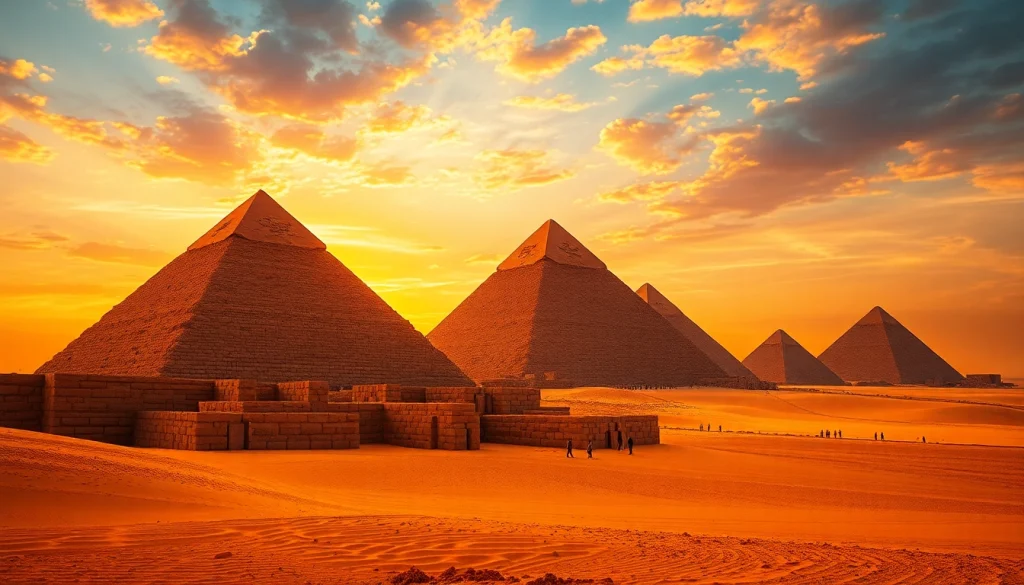
The Egyptian pyramids are among the most iconic structures in the world, symbolizing the grandeur and mystery of ancient civilizations. These architectural marvels were primarily constructed as tombs for pharaohs and monumental icons of the Egyptian dynasty. With at least 138 identified pyramids scattered across Egypt, they have captivated the imagination of historians, architects, and tourists alike. To delve deeper into the world of pyramids and the stories they hold, visit https://piraminds.com/. In this article, we will explore their history, construction techniques, cultural significance, and much more.
What Are the Egyptian Pyramids?
Essentially, the Egyptian pyramids are massive stone structures, primarily built during the Old and Middle Kingdoms of ancient Egypt, starting around 2630 BC onwards. They served as grand tombs for the deceased pharaohs, reflecting their power and influence. These architectural feats were not merely graves; they were designed to facilitate the transition of the pharaoh’s spirit into the afterlife, a concept deeply rooted in Egyptian belief systems.
Historical Context and Significance
The construction of pyramids began during the Third Dynasty with Djoser’s Step Pyramid, marking a significant advancement in architecture. Throughout the following dynasties, the design and significance evolved, culminating in the construction of the Great Pyramid of Giza, one of the Seven Wonders of the Ancient World. Pyramids were not built in isolation but were part of vast funerary complexes, including temples, chapels, and other structures that played a vital role in ancient Egyptian religion and daily life.
Pyramid Architecture and Construction Techniques
The architectural design of pyramids varied significantly, but they generally followed a square base with four triangular sides converging at the apex. The construction techniques utilized an impressive understanding of mathematics and engineering. Workers would quarry massive limestone blocks and transport them using sledges and logs, techniques honed over centuries. The challenges presented by such massive structures necessitated immense planning and organization, showcasing the sophisticated societal structure of ancient Egypt.
Major Pyramids of Egypt
Among the numerous pyramids scattered across the Egyptian landscape, a few stand out due to their historical significance and architectural brilliance.
The Great Pyramid of Giza
The Great Pyramid, built for Pharaoh Khufu (also known as Cheops), stands as the largest and most famous pyramid. Originally reaching a height of 146.6 meters, it remains one of the greatest achievements in human history. The construction involved approximately 2.3 million blocks of stone. This pyramid serves as a testament to the advanced engineering skills of the time and remains a subject of much speculation and study.
Pyramid of Khafre: The Second Wonder
Next in line is the Pyramid of Khafre, Khufu’s son. While it appears taller than the Great Pyramid, it is actually built on higher ground. Khafre’s pyramid retains some original casing stones at its apex, giving it a distinctive appearance. Adjacent to this pyramid is the Great Sphinx of Giza, a colossal limestone statue that also contributes to its grandeur and mystery.
Pyramid of Menkaure: The Lesser-Known Giant
The Pyramid of Menkaure, though smaller than its counterparts, is equally significant. Built for Pharaoh Menkaure, the last of the three main Giza pyramids, this structure is about 65 meters tall. Notably, its construction involved granite for the lower blocks, a choice that reflects the burgeoning artistic expressions in pyramid construction. Menkaure’s pyramid complex included mortuary temples and several smaller pyramids for queens, emphasizing the intricate burial customs of the era.
Cultural and Spiritual Importance
The pyramids are not merely architectural feats but are deeply embedded in the spiritual and cultural fabric of ancient Egypt.
The Role of Pyramids in Ancient Egyptian Society
Pyramids served as a connection between the earthly realm and the divine, embodying the Egyptians’ beliefs surrounding the afterlife. They were central to funerary rituals, which were crucial for ensuring that a pharaoh received the highest honors in the afterlife. Society’s reverence for the pyramids also reflected the centralized power of the pharaohs, as these monuments required enormous resources and labor.
Pyramids as Symbols of Power and Eternity
In ancient Egypt, pyramids symbolized eternal life and divine protection. They represented the godly status of pharaohs, believed to be deities in human form. The attention to detail in their construction, such as precise alignment with the stars, indicates the deeply held beliefs regarding the cosmos and the afterlife that were integral to Egyptian society.
The Alignment and Astronomy of Pyramids
The placement and design of pyramids were closely linked to astronomical observations. Many pyramids were aligned with cardinal points and significant celestial bodies, reflecting the Egyptians’ understanding of astronomy. This alignment was not merely for aesthetic purposes; it held immense spiritual significance, often believed to assist the deceased rulers in their journey to the afterlife.
Modern Explorations and Discoveries
Modern archaeological methods have shed light on the mysteries of the pyramids and have rekindled interest in these ancient structures.
Technological Advances in Pyramid Research
Today, archaeologists employ modern technologies such as satellite imagery, 3D scanning, and ground-penetrating radar to investigate the pyramids. These technologies help researchers explore hidden chambers without invasive digging, allowing for a better understanding of the construction and purpose of these magnificent structures.
Recent Archaeological Findings
Recent discoveries, like the identification of additional pyramids and hidden rooms within existing structures, have contributed greatly to our knowledge. For instance, the discovery of a significant void in the Great Pyramid suggests that more secrets may be hidden within its walls. Such finds continue to fascinate researchers and tourists alike, emphasizing the need for further exploration.
How Tourists Engage with Pyramids Today
In contemporary times, pyramids attract millions of tourists annually, contributing significantly to Egypt’s economy. Guided tours, educational programs, and virtual explorations provide insights into their historical context. Preservation efforts are ongoing to ensure that these ancient wonders remain accessible to future generations while maintaining their structural integrity.
FAQs About the Egyptian Pyramids
What was the purpose of the pyramids?
Pyramids were built primarily as tombs for pharaohs, ensuring their safe passage to the afterlife and signifying their divine status.
How were the pyramids built?
The pyramids were constructed using massive limestone blocks, transported with sledges and logs, employing a sophisticated understanding of engineering and labor organization.
Are there pyramids outside of Egypt?
Yes, while the most famous pyramids are in Egypt, pyramid structures also exist in countries like Sudan, Mexico, and China, each varying in style and purpose.
What materials were used for construction?
Egyptian pyramids were primarily built from limestone, granite, and other locally sourced materials. The choice of material often depended on the pyramid’s location and intended grandeur.
How can I visit the pyramids?
Visitors can explore the pyramids through guided tours available at various sites, especially in Giza. Various tours offer insights into the structures, their history, and archaeological significance.