
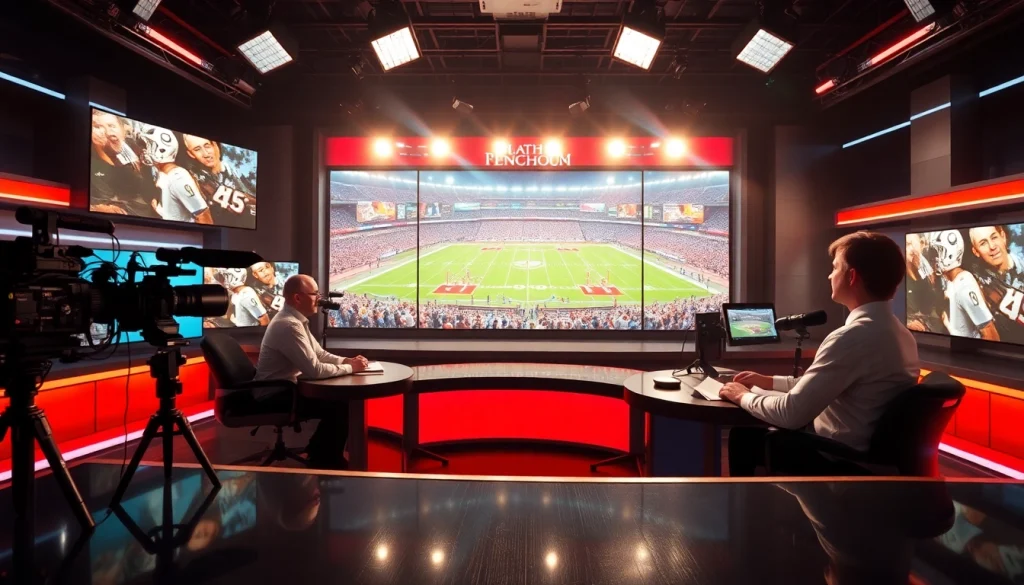
Understanding the Fundamentals of Sports Broadcasting
In today’s dynamic media landscape, Sports broadcasting emerges as a vital component of the entertainment industry, shaping how audiences interact with sports. To comprehend its significance, we must first delve into its definition, historical evolution, and the essential roles involved.
What is Sports Broadcasting?
Sports broadcasting refers to the live coverage of sports events through various media platforms, including television, radio, and digital channels. It enables fans to engage with their favorite sports in real-time regardless of geographical barriers, transforming local matches into global spectacles. The modern conception of sports broadcasting intertwines with significant technological advancements that have expanded viewer access and interactivity.
Key Roles in Sports Broadcasting
The world of sports broadcasting comprises several critical roles that ensure seamless production and delivery of content:
- Sports Commentators: These individuals provide live commentary, enhancing viewer engagement with insights, anecdotes, and real-time analysis.
- Producers: They oversee the entire broadcast process, managing technical staff, establishing timelines, and ensuring the content flows smoothly.
- Cameramen and Technicians: Responsible for capturing the event, they utilize advanced cameras and equipment to deliver high-quality visuals.
- Writers and Researchers: Providing the necessary context and backstory, these professionals create scripts and gather statistics relevant to the event being broadcast.
- Directors: They manage the broadcast, coordinating between cameras, commentators, and graphics, making split-second decisions to enhance storytelling.
History and Evolution of Sports Broadcasting
The roots of sports broadcasting can be traced back to the early 20th century, with the first radio broadcasts of baseball games. However, it wasn’t until the advent of television in the 1950s that sports began to reach mass audiences. Iconic events such as the Super Bowl and the Olympics showcased the power of televised sports, leading to an intricate relationship between broadcasting and sports marketing. Recent innovations, such as digital streaming services and social media, have further revolutionized how sports content is consumed, indicating a shift towards more interactive and on-demand viewing.
Essential Skills for Aspiring Sports Broadcasters
For those keen on pursuing a career in sports broadcasting, various skills are paramount to achieve success in this competitive field.
Communication and On-Air Presence
Effective communication is the cornerstone of successful sports broadcasting. Broadcasters must convey information clearly and engagingly, adapting their style to fit different sports and audiences. An on-air presence characterized by confidence and charisma enhances audience connection, making the viewing experience more enjoyable.
Technical Proficiencies in Sports Broadcasting
In an era dominated by technology, understanding broadcasting equipment and software is essential. Techniques in video editing, sound engineering, and graphic design enhance the broadcast’s professionalism and visual appeal.
Research and Content Creation Skills
A deep knowledge of the sport being covered, including teams, players, statistics, and current events, is crucial for any broadcaster. Research skills enable presenters to generate relevant narrative threads, ensuring that they keep the audience informed and entertained with interesting tidbits and background stories.
Trends Shaping the Future of Sports Broadcasting
The sports broadcasting landscape is continuously evolving, driven by technological advancements and changing viewer preferences.
Impact of Streaming Services on Sports Broadcasting
Streaming services have transformed how sports are consumed, allowing viewers to watch their favorite games on various devices. Services like live streaming apps and platforms provide viewers with the flexibility to watch on-demand, fundamentally altering broadcast schedules and content delivery methods.
The Role of Social Media in Sports Engagement
Social media platforms have become essential tools for sports broadcasters. They offer new ways to engage with fans, share highlights, and provide behind-the-scenes content, creating a more immersive experience for the audience. The interaction between players, teams, and fans through social media fosters a community atmosphere around sports.
Emerging Technologies in Sports Broadcasting
Emerging technologies, such as augmented reality (AR) and virtual reality (VR), are creating innovative broadcasting formats that engage viewers in entirely new ways. These technologies allow fans to experience events from unique perspectives, bringing them closer to the action and making sports broadcasting more interactive.
Challenges in the Sports Broadcasting Industry
The field of sports broadcasting is not without its challenges, which professionals must navigate to succeed.
Market Competition and Job Opportunities
The sports broadcasting industry is highly competitive, with numerous aspiring professionals vying for limited positions. Networking and continuous skill improvement are vital for standing out in this crowded market.
Adapting to Changing Viewer Preferences
With the rise of on-demand content and changing viewer habits, broadcasters must continuously adapt their strategies to meet audience expectations. Understanding analytics and viewer engagement metrics helps in fine-tuning programming to attract and retain audiences.
Maintaining Quality Production Standards
Despite advancements in technology, maintaining high production quality remains a critical challenge. Broadcasters must invest in training and technology to ensure that their content meets industry standards and viewer expectations.
Career Pathways and Opportunities in Sports Broadcasting
Exploring the various pathways into sports broadcasting is essential for anyone interested in establishing a career in this field.
Education and Training Options
A formal education in communication, journalism, or broadcasting can provide a solid foundation for a career in sports broadcasting. While some universities offer specialized programs, attending workshops, internships, and networking events can also enhance prospects.
Networking and Job Search Strategies
Networking plays a crucial role in securing opportunities within sports broadcasting. Attending industry events, joining professional organizations, and utilizing platforms like LinkedIn to connect with relevant professionals can yield valuable contacts and job opportunities.
Freelancing vs. Full-Time Positions
Both freelancing and full-time positions exist within the industry, each presenting distinct advantages. Freelancers enjoy flexibility and opportunities to work across various projects, while full-time positions provide stability and benefits, fostering long-term career growth.
Frequently Asked Questions
What major is best for sports broadcasting?
Majors in journalism, communications, or media studies are excellent for sports broadcasting. Specialization in sports journalism enhances relevant expertise.
What is a sports broadcaster’s salary?
The average annual salary for sports broadcasters in the U.S. varies based on experience and location, but it typically falls around $58,000.
Is sports broadcasting a good career?
If you have a passion for sports and storytelling, it can be a fulfilling career. However, be prepared for competition and long hours.
How can I improve my on-air presence?
Practice public speaking, develop confidence in your delivery, and seek feedback from peers. Regularly watching skilled broadcasters can also provide valuable insights.
What are the future trends in sports broadcasting?
The future may see increased use of AR/VR, growth in personalized content delivery, and deepening integration of social media for enhanced viewer engagement.