
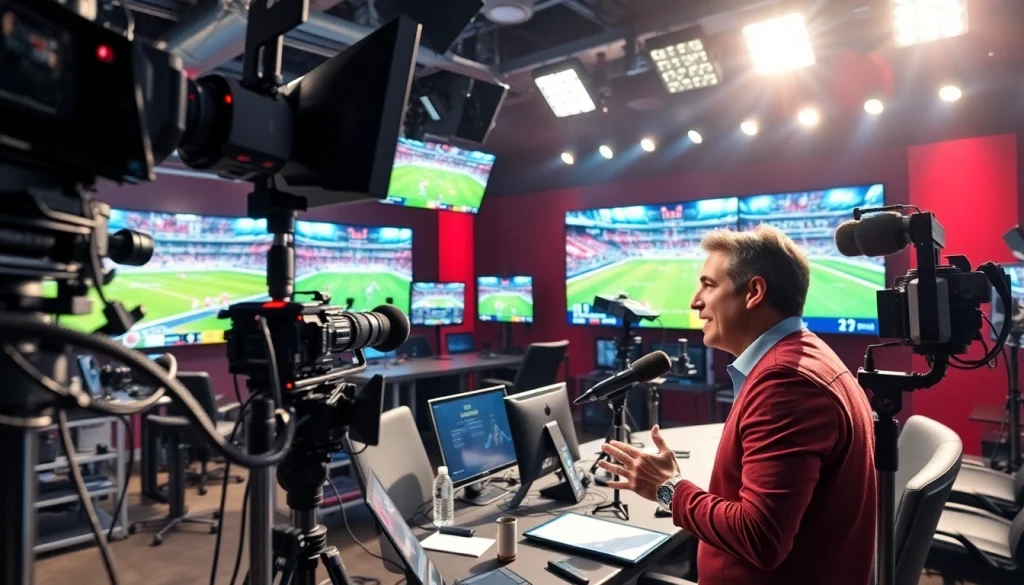
Understanding Sports Broadcasting
What is Sports Broadcasting?
Sports broadcasting refers to the transmission of live or recorded sporting events through various media platforms including television, radio, and online streaming. This dynamic and integral segment of the entertainment industry allows fans to experience games as they unfold, bringing the excitement of live sports into their homes. Sports broadcasting unites fans and athletes, enabling unparalleled global engagement and community interaction.
History and Evolution of Sports Broadcasting
The history of sports broadcasting dates back to the early 20th century when the first radio broadcasts of sports events began, enabling fans to follow games live for the first time. The advent of television in the 1950s revolutionized how fans experienced sports, leading to increases in viewership and sponsorship. Over the decades, technological advancements have propelled sports broadcasting further, introducing features like instant replays, multiple camera angles, and high-definition broadcasts.
Key Components of a Broadcast
A successful sports broadcast comprises several core elements:
- Commentary: Expert voices guide viewers through the event, providing insights, analysis, and play-by-play coverage.
- Camera Work: Multiple cameras capture the action from different angles, enhancing viewer engagement and experience.
- Graphics and Stats: On-screen graphics provide real-time statistics, player information, and interactive graphics that deepen the viewer’s understanding.
- Audience Interaction: Engaging the audience through social media, polls, and live discussions increases interactivity and viewer investment.
Techniques Used in Sports Broadcasting
On-Air Presentation Skills
Television and radio hosts play a crucial role in sports broadcasting. Their presentation skills can enhance the audience’s viewing experience. Effective broadcasters are characterized by their ability to articulate thoughts clearly, convey emotions, and maintain an engaging tone. Utilizing storytelling techniques can also captivate viewers and create a connection to the sport in a way that statistics alone cannot.
Utilizing Technology in Broadcasting
Modern sports broadcasting heavily relies on technology, ranging from satellite uplinks to sophisticated audio-visual equipment. Innovations such as drones for aerial shots, augmented reality for immersive graphics, and artificial intelligence for enhancing production value are becoming increasingly commonplace. These technologies help broadcasters offer a richer, more detailed viewing experience.
Engaging Viewers Live
Live engagement is pivotal to the success of sports broadcasts. As audiences increasingly share their thoughts and reactions in real-time across social media, broadcasters must adapt their strategies to cultivate this interaction. Including fan opinions during broadcasts and utilizing corresponding hashtags can elevate the communal experience of watching sports, fostering a sense of belonging amongst viewers.
The Role of Sports Broadcasting in Society
Impact on Sports Culture
Sports broadcasting plays a vital role in shaping sports culture. By illuminating the narratives behind athletes, teams, and events, broadcasters cultivate an emotional connection between fans and their favorite sports figures. Documentaries and interviews deepen this bond, illustrating the challenges and triumphs athletes face, further enriching the cultural significance of sports.
Economic Influence of Broadcasting
The economic impact of sports broadcasting is profound, underpinning the financial structure of sports institutions. Broadcasting rights are a substantial revenue source for leagues and teams, facilitating investment in player development, facilities, and community outreach. Moreover, advertising revenue and sponsorship deals leveraged through broadcasting further strengthen the economic foundation of sports.
Fostering Community and Unity
Sports broadcasting fosters community and unity by bringing people together over shared interests. Super Bowl parties, World Cup gatherings, and local sporting events become social occasions that promote collective experience. Furthermore, broadcasting minority sports often makes them more visible, encouraging participation and fostering inclusivity within various communities.
Career Opportunities in Sports Broadcasting
Types of Careers Available
The field of sports broadcasting offers diverse career paths, including roles such as sports commentators, producers, directors, and technical operators. Other opportunities exist in associated areas like marketing, public relations, and social media management, enabling professionals to engage with sports from various dimensions.
Skills Required for Success
Success in sports broadcasting necessitates a versatile skill set. Key competencies include strong communication abilities, a robust understanding of sports and analytics, technical proficiency with broadcast equipment, and interpersonal skills for engaging with audiences. Additionally, adaptability is crucial, as the fast-paced nature of live events requires quick thinking and problem-solving capabilities.
Pathways to Entering the Industry
Many professionals in sports broadcasting begin their careers through internships and entry-level roles at local radio and television stations. Networking within the industry, obtaining formal education in communications or media, and actively participating in sports-focused clubs or events can provide essential experience and contacts. Joining professional societies of broadcasters also opens doors for mentorship and job opportunities.
Future Trends in Sports Broadcasting
Rise of Streaming Platforms
The proliferation of streaming platforms has fundamentally altered the landscape of sports broadcasting. Traditional cable subscriptions are declining, while subscriptions to various streaming services increase. This shift compels broadcasters to develop innovative content strategies that leverage the capabilities of online platforms, such as personalized viewing experiences and on-demand content.
Innovations in Audience Engagement
As sports media evolves, audience engagement will increasingly prioritise interactive experiences. Utilizing virtual reality (VR) and augmented reality (AR) technologies can attract viewers with immersive experiences, while gamification strategies—such as fantasy leagues integrated with broadcasts—can deepen interaction and loyalty. Innovative approaches to storytelling, where fans can influence narratives, will also likely emerge.
Predicting Media Consumption Changes
Understanding how audience preferences evolve is critical for the future of sports broadcasting. As younger generations gravitate towards mobile and digital consumption, broadcasters must adapt content delivery methods accordingly. Emphasizing short-form content on social media, integrating analytics to deliver personalized experiences, and exploring new advertising methods will be essential in meeting these shifting demands.
Frequently Asked Questions
What is the primary role of sports broadcasting?
The primary role of sports broadcasting is to deliver live and recorded sports events to audiences through various media platforms, providing commentary, analysis, and updates.
How has technology changed sports broadcasting?
Technology has enhanced sports broadcasting by introducing high-definition visuals, instant replays, augmented reality graphics, and improved audio, enriching the viewer experience.
What kinds of careers exist in sports broadcasting?
Careers in sports broadcasting include sports commentators, producers, directors, technical operators, and roles in marketing and social media management.
How does sports broadcasting impact fan engagement?
Sports broadcasting impacts fan engagement by providing real-time interaction opportunities, such as live discussions on social media, enhancing the overall viewing experience.
What trends are shaping the future of sports broadcasting?
Key trends include the rise of streaming platforms, advancements in audience engagement technologies, and shifts in media consumption preferences towards digital formats.